


Gilt Wood Overmantel Mirror
Designed to sit above a fireplace, a gilt wood overmantel mirror brings scale, reflected light and architectural presence to a room.
Gilt Wood Overmantel Mirror
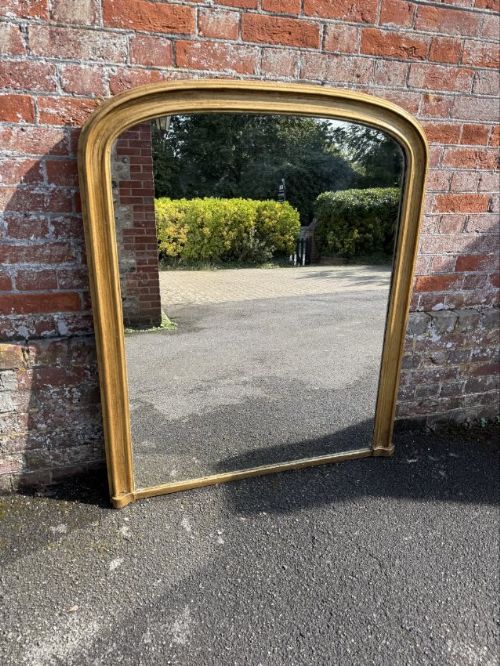
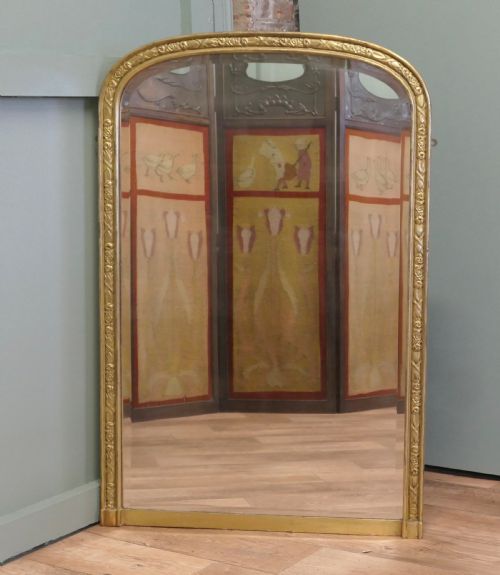
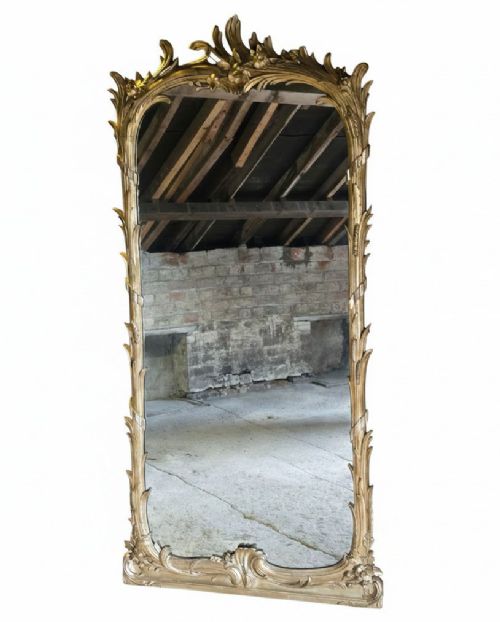
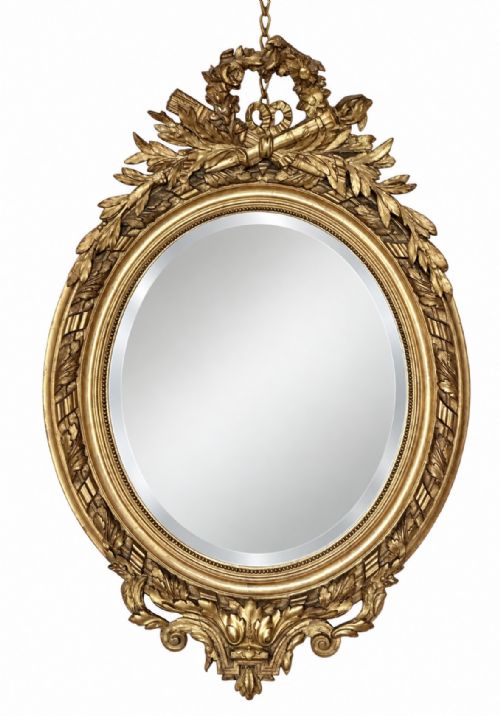
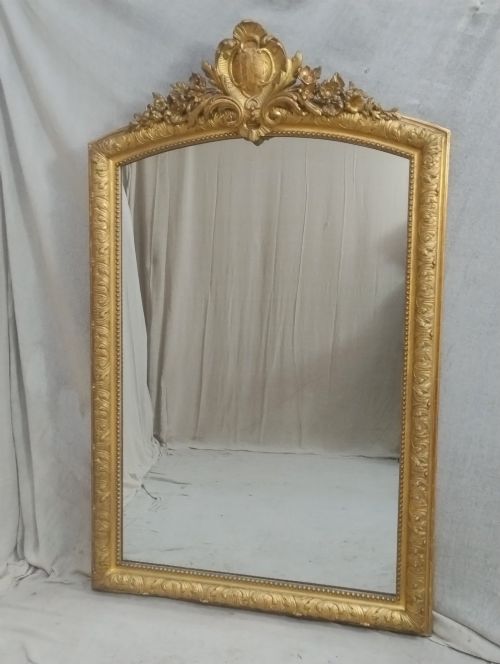
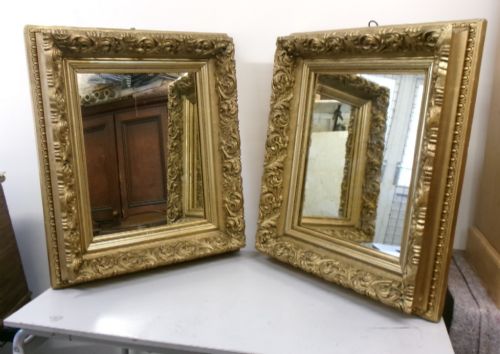
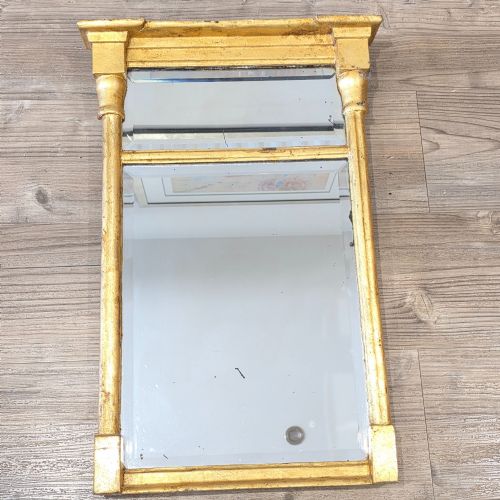
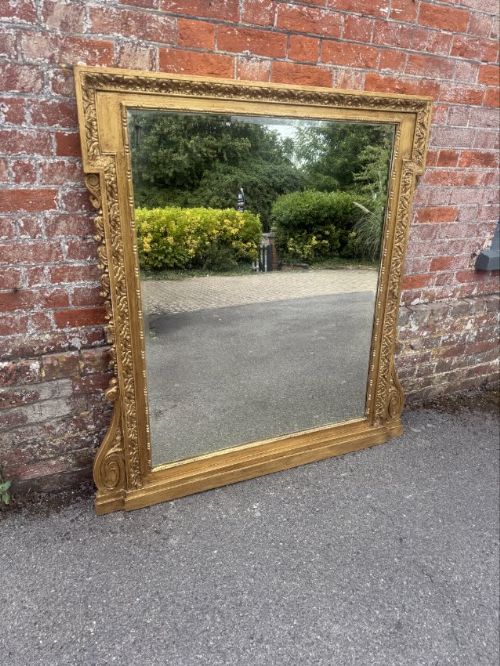
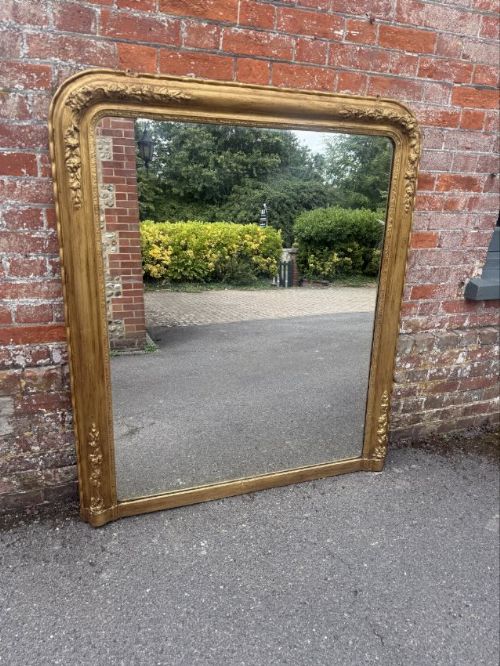
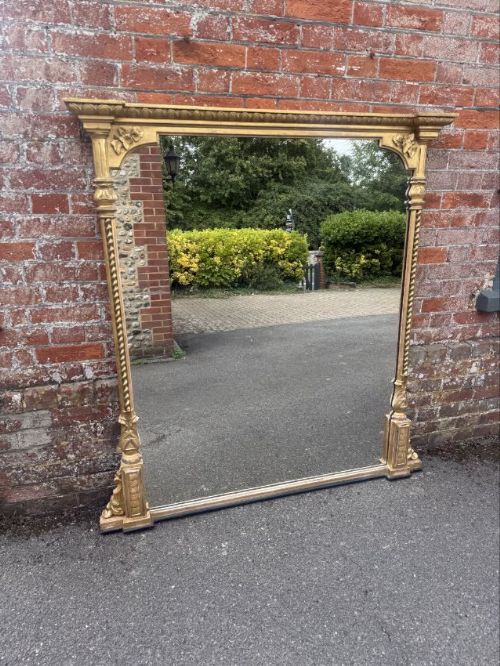
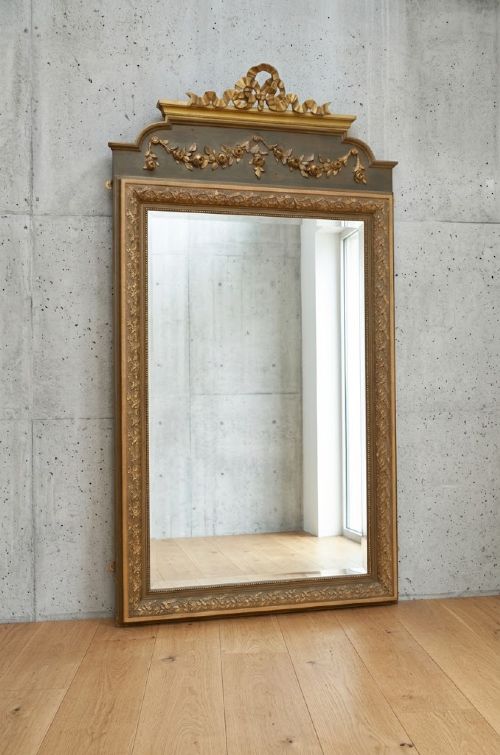
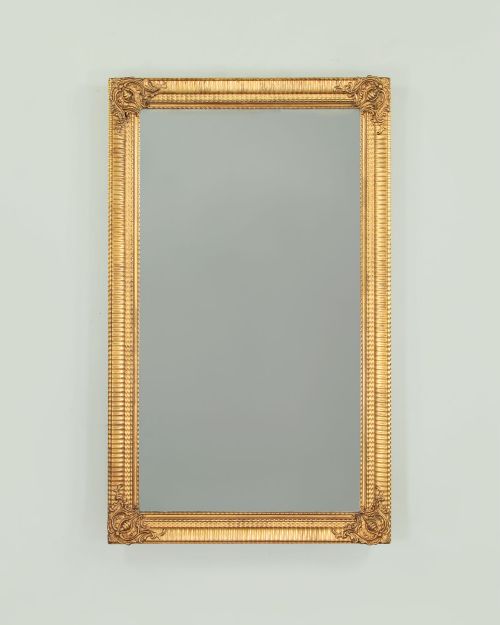
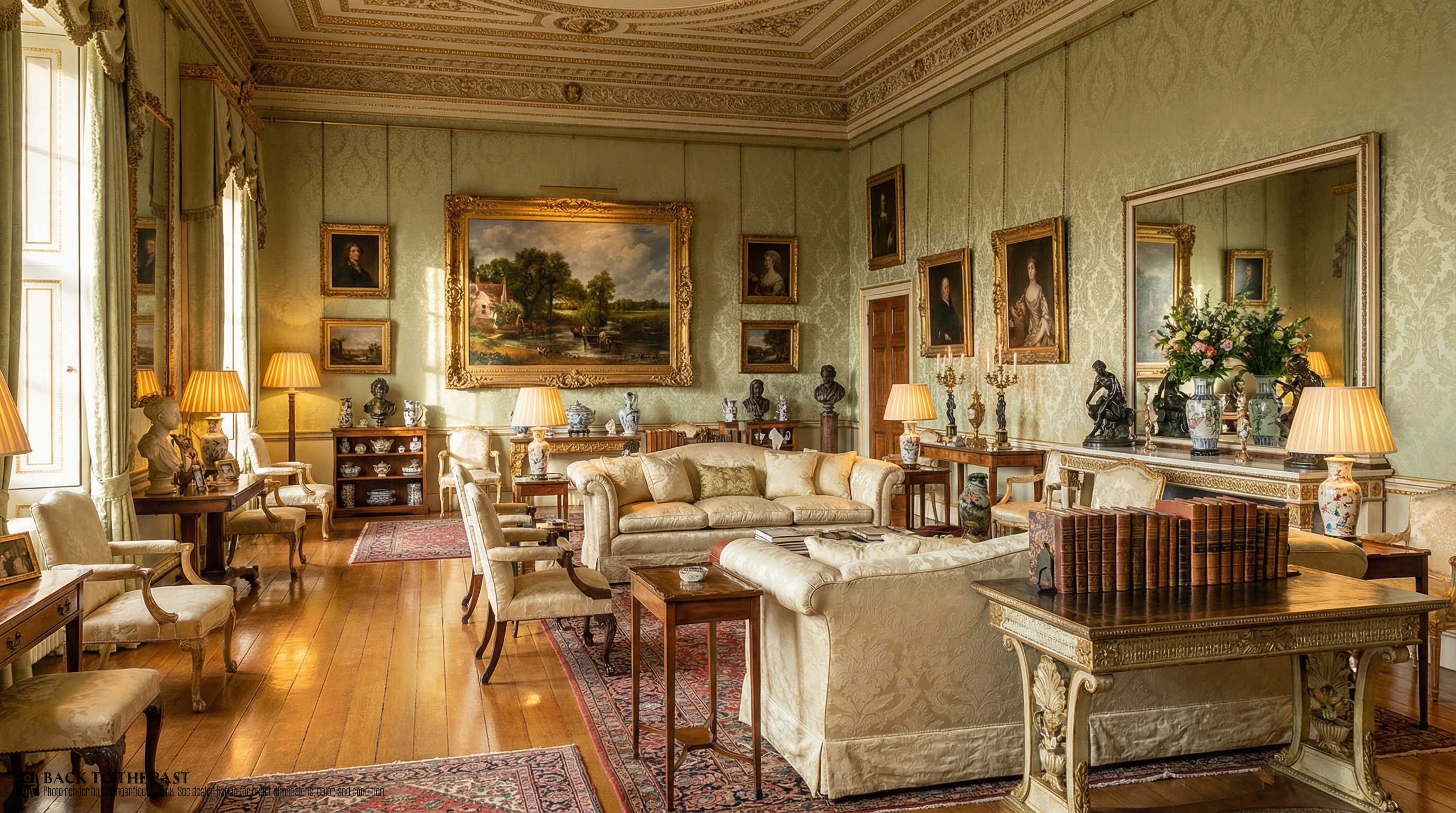
A gilt wood overmantel mirror is a large wall-hanging looking-glass specifically proportioned to be mounted directly above a chimneypiece. These pieces often feature wide rectangular, arched or cartouche-shaped frames designed to command the chimney breast.
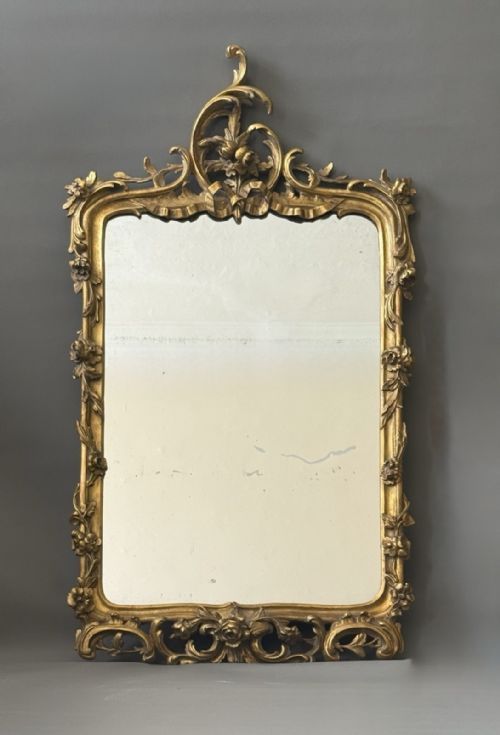
The selections available here lean heavily into nineteenth-century English and French craftsmanship, alongside eighteenth-century Georgian and continental examples. Makers commonly employed styles ranging from Rococo Revival and Louis Philippe to Neoclassical and Chinese Chippendale.
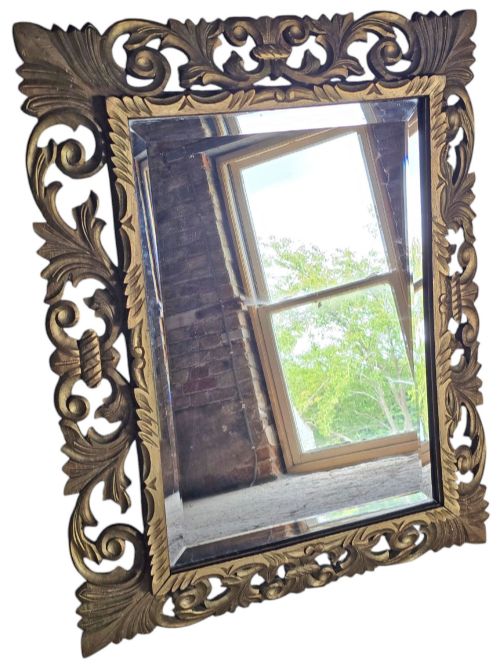
Many examples incorporate multi-plate configurations, architectural columns, ribbon crests or elaborate acanthus leaf carvings. Buyers encounter both landscape-oriented plates and tall vertical formats suited to various ceiling heights.
How they were made
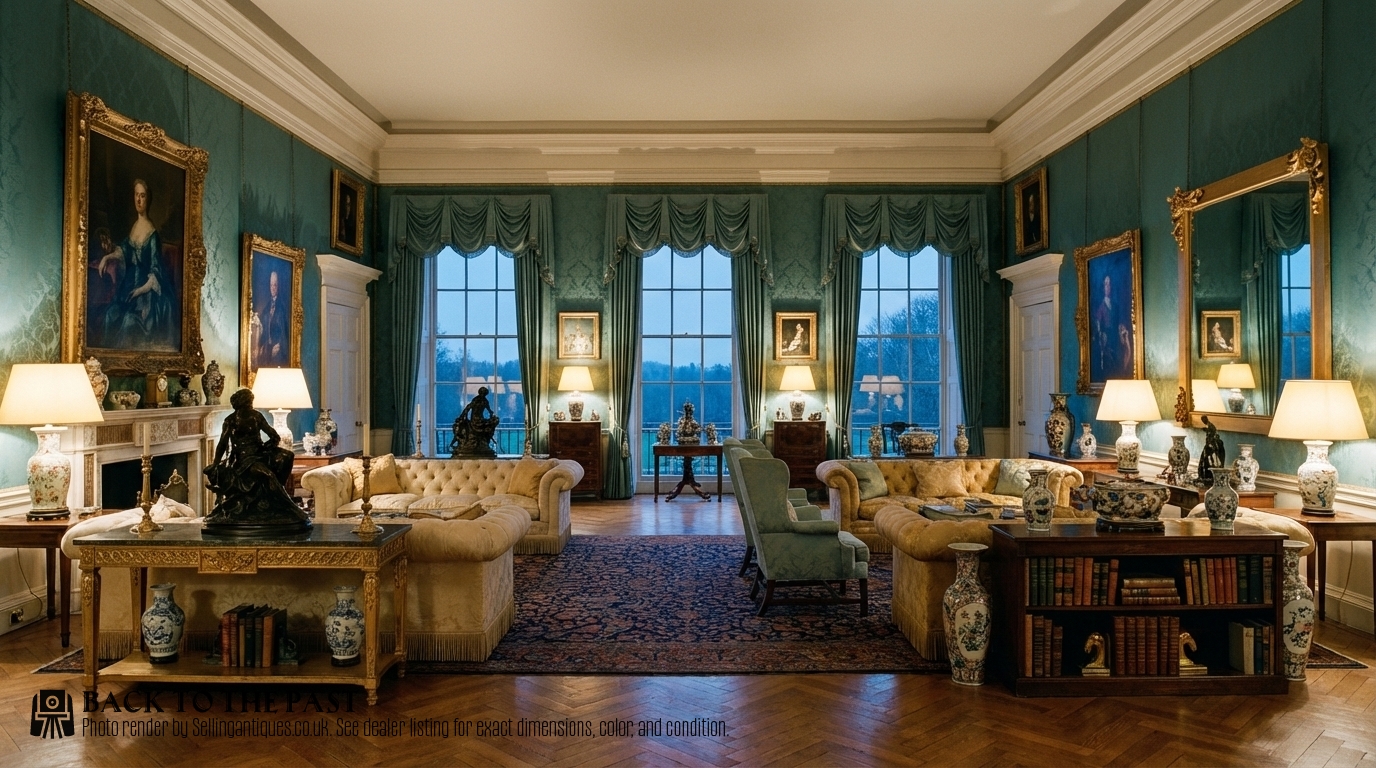
Carved wooden foundations, frequently fashioned from softwoods or hardwoods, form the structural core of these frames. Artisans then applied layers of gesso - a mixture of chalk and size - onto the timber base to build up depth for intricate ornamentation.
Gold leaf or fine metal leaf was laid over a prepared bole base and burnished to achieve a reflective metallic finish. Alternatively, composition ornament moulded from resin, oil and glue was pressed and applied to speed up the creation of repetitive decorative motifs.
Gilt Wood Overmantel Mirror Retail Price Guide 2026
Typical asking prices for gilt wood overmantel mirror among the pieces listed under this phrase on Sellingantiques today, from the lower quarter to the upper quarter. They describe what is for sale here now, not the wider market.
Listings feature eighteenth-century Georgian and French pieces alongside nineteenth-century Victorian and Edwardian examples.
What varies in quality
The crispness and depth of the hand-carved woodwork distinguish superior examples from simpler moulded pieces. Finer frames display deeply undercut foliage and smooth transitions in relief rather than soft or blunt detailing.
The preservation of the original mercury glass plate or early antique silvering alters the character and depth of the reflection. Higher-grade pieces also retain their original gilding layers without extensive overpainting or loss of the underlying gesso.
E James Bruton Road London
The Gilt Wood Overmantel Mirror Glossary
- Gesso
- A prepared mixture of chalk, gypsum and animal glue used as a smooth base for gilding on wood frames. It allows carvers to achieve sharp relief details.
- Giltwood
- Timber that has been decorated with gold leaf or metal leaf applied over a prepared surface. This technique protects the wood while providing a luxurious metallic appearance.
- Overmantel
- A mirror or painting specifically designed to be hung on the wall directly above a fireplace mantelpiece. They are traditionally proportioned to match the width of the fireplace surround.
- Mercury glass
- A type of looking-glass made by pouring a liquid mercury amalgam between two sheets of glass or coating the back. It produces a characteristic mottled, dark reflection known as foxing.
- Trumeau
- A decorative wall mirror incorporating an oil painting or panel within the upper section of the frame. These French pieces were often built into the wood panelling of a room.
Gilt Wood Overmantel Mirror: Frequently Asked Questions
How do I hang a heavy overmantel mirror safely?
Due to their substantial weight, these mirrors require secure fixing directly into masonry or through plaster into wooden wall studs using heavy-duty brackets.
Professional installation ensures the considerable load of the wood and glass frame is distributed safely across the wall structure.
Can these mirrors be placed on a mantelpiece instead of hanging?
Many examples are heavy enough to rest securely on the mantel shelf itself while being anchored to the wall for stability.
This placement allows the frame to sit naturally above the fireplace opening without requiring full suspension from hanging wires.
How do I clean antique giltwood frames?
Dust the carved surfaces gently with a soft, dry brush to prevent accumulation without disturbing the delicate gold leaf.
Moisture and modern chemical cleaners should be avoided entirely, as they can strip the fragile gesso and nineteenth-century gilding.
What is foxing in mirror glass?
Foxing refers to the dark spots and mottled patches that develop on antique mirror plates over centuries as the backing oxidises.
Many collectors value this aged characteristic because it confirms the genuine age of the mercury glass plate.