


Gilt Vase Table Lamps
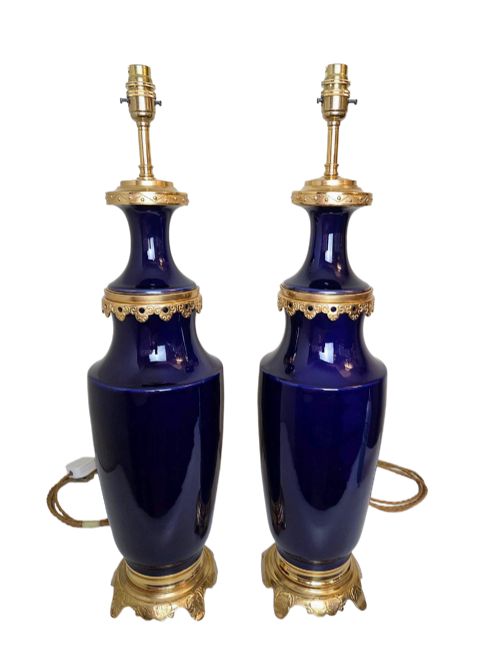
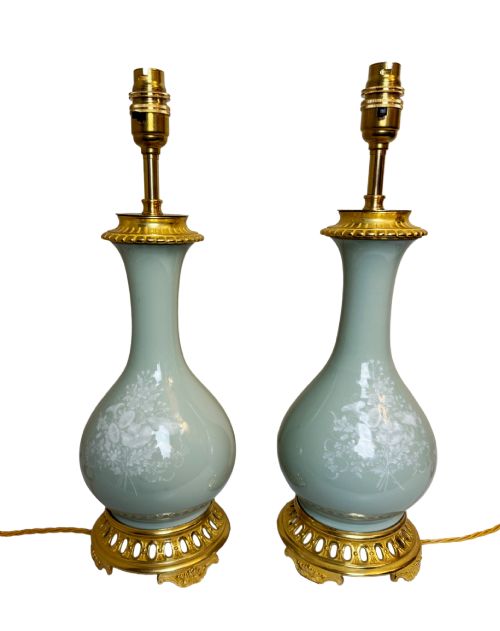
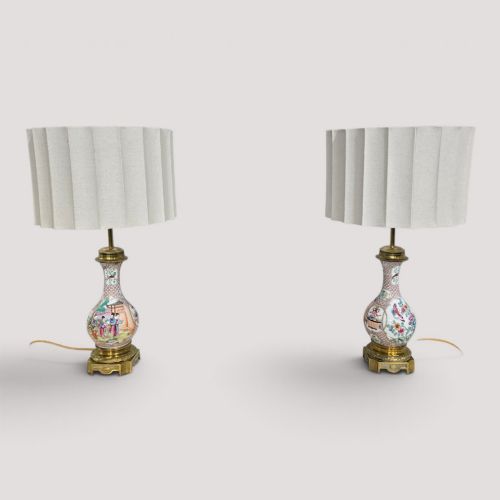
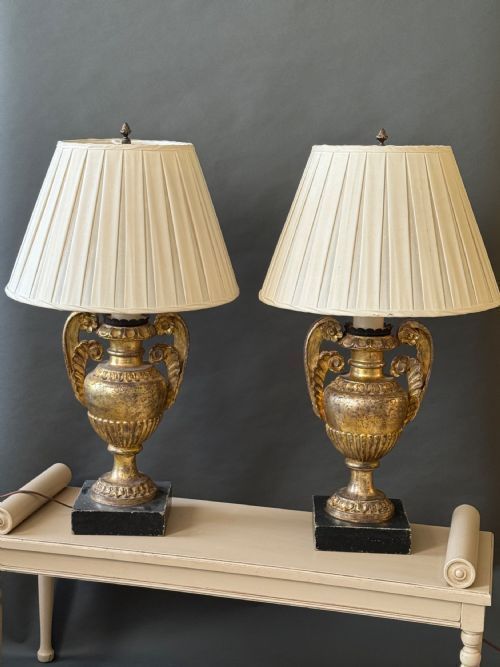
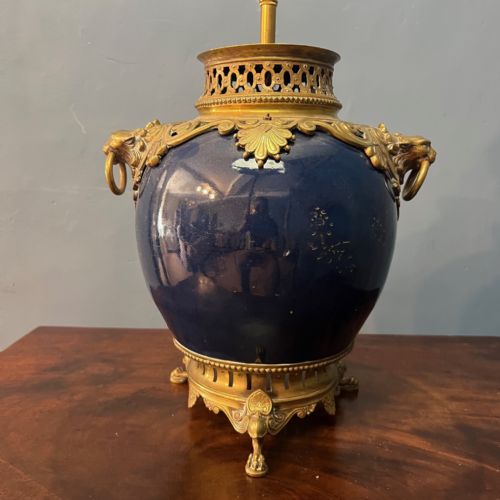
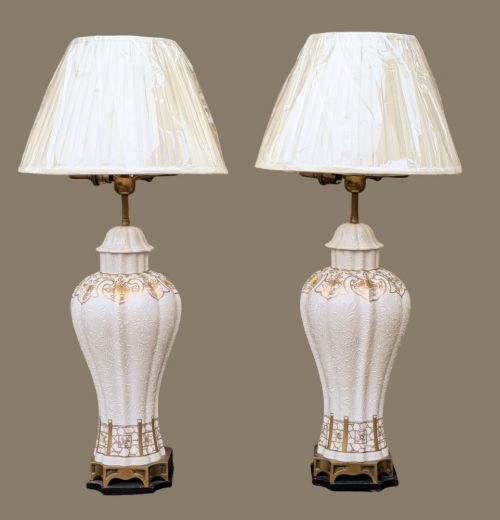
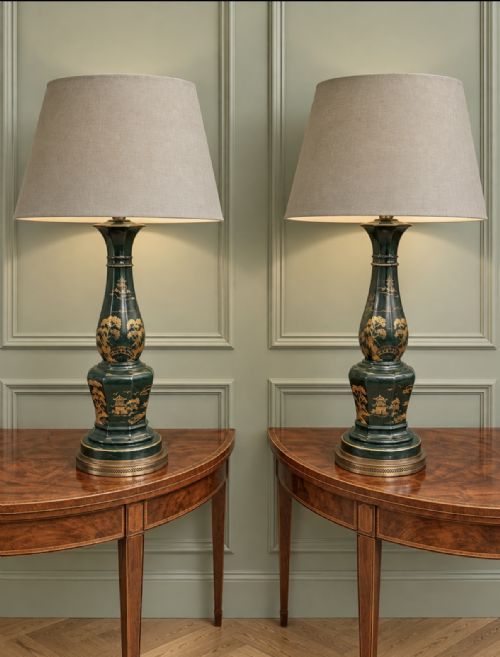
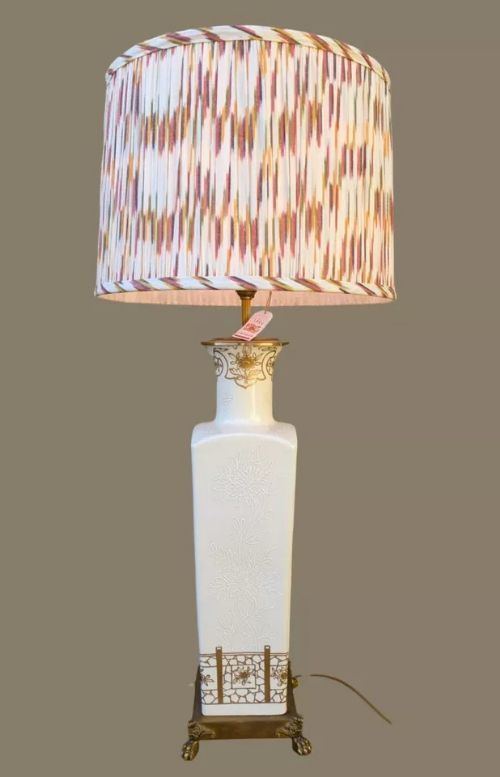
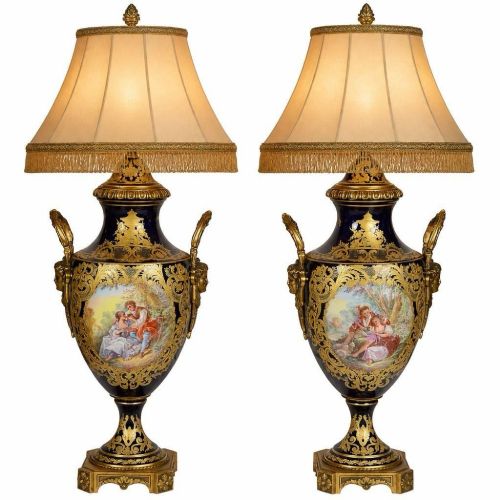
These gilt vase table lamps bring together converted antique vessels and decorative metal mounts to create striking points of light in a room.
Gilt Vase Table Lamps
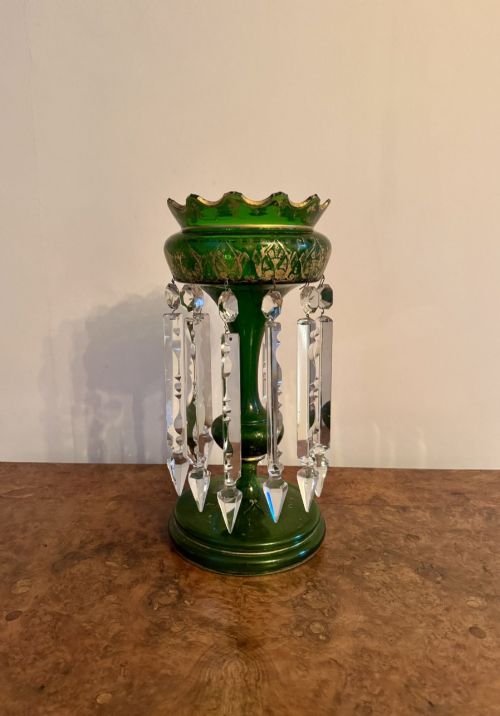
When you search for gilt vase table lamps, you find a selection of antique vessels transformed into functional lighting through the addition of electrical fittings.
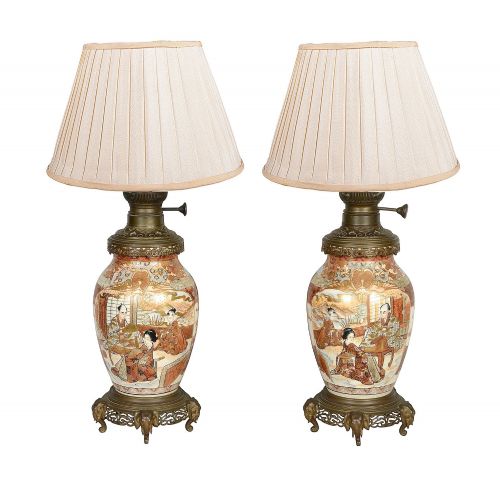
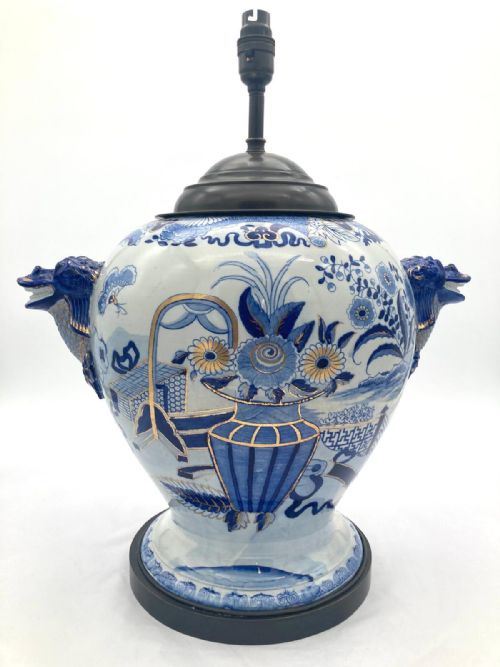
The pieces on this page are predominantly formed from 18th, 19th, and early 20th century ceramic and bronze vases fitted onto brass or ormolu bases.
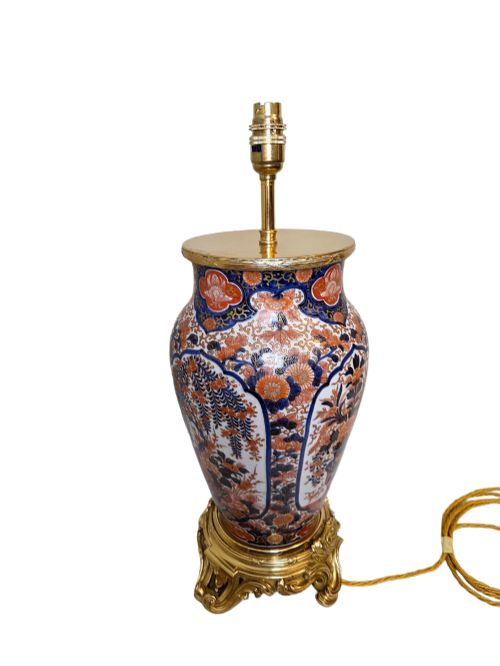
Asian and European ceramics dominate the selection, with Chinese porcelain, Japanese Satsuma and Imari, and French Paris ware appearing frequently alongside cloisonné enamel.
Materials and Construction
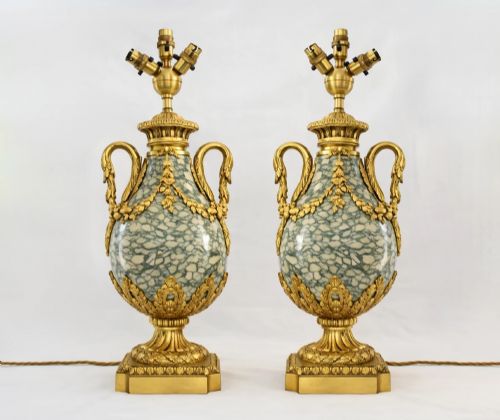
Makers utilised high-fired porcelain, earthenware, and bronze as the primary bodies for these vessels, often applying rich gilt bronze or ormolu mounts around the rims and bases.
Many of these lamps originated as decorative vases or cassolettes before metalworkers adapted them by drilling the bases for wiring and attaching metal collars.
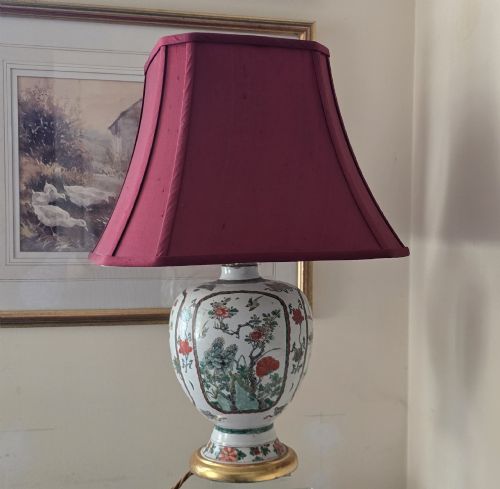
Surface decoration relies on hand-painted enamels, famille rose and famille noire palettes, and intricate cloisonné wirework paired with textile shades.
Gilt Vase Table Lamps Retail Price Guide 2026
Typical asking prices for gilt vase table lamps among the pieces listed under this phrase on Sellingantiques today, from the lower quarter to the upper quarter. They describe what is for sale here now, not the wider market.
The listings feature porcelain, brass, and gilt bronze across styles including Chinoiserie, Qing Dynasty, and French 19th Century.
Quality Variations
The distinction between ordinary and exceptional lamps rests on the quality of the original vessel and the precision of the metal mounts.
Hand-chased ormolu mounts with crisp detailing demonstrate superior craftsmanship compared to simpler cast brass fittings.
The artistic merit of the hand-painted porcelain or the complexity of the cloisonné enamel directly dictates the standing of the piece.
Hicks and Meigh·Samson Porcelain
The Gilt Vase Table Lamps Glossary
- Ormolu
- Gilded bronze, where finely ground high-carat gold is applied to a bronze base using mercury. This technique creates a rich, matte metallic surface seen on French mounts.
- Cassolette
- A decorative vase or urn fitted with a reversible lid that functions either as a solid vessel or a burner. These are frequently mounted in metal and converted into lamps.
- Cloisonné
- An ancient technique for decorating metalwork objects with coloured material held in place by thin metal strips welded to the vase body.
- Imari
- A style of Japanese porcelain decorated in underglaze blue and overglaze red, gold, and green. These wares were exported widely to Europe during the historic trading periods.
- Pâte-sur-pâte
- A porcelain manufacturing technique where a relief design is built up layer by layer using liquid clay slip on a contrasting body before firing.
Gilt Vase Table Lamps: Frequently Asked Questions
What are gilt vase table lamps?
These objects are decorative vessels from various Asian and European traditions that have been adapted to hold electrical components.
They combine historical ceramic or bronze bodies with gilded metal mounts to serve as functional domestic lighting.
How were these lamps used historically?
The underlying vases were originally manufactured as ornamental display pieces for wealthy interiors during the 18th and 19th centuries.
Their conversion into lighting typically occurred later, as households integrated electricity into period rooms.
How do I live with these lamps?
These pieces function well on sideboards, desks, or large tables where their detailed surfaces and gilded mounts receive adequate light.
Pairing them with simple fabric shades allows the intricate patterns of the underlying porcelain or cloisonné to remain the visual focus.
How can I tell periods apart?
Stylistic clues such as the specific floral palettes of Satsuma ware or the characteristic blue-and-white tones of Chinese export pieces help identify the era of the vase.
The style of the metal mounts, ranging from Louis XVI ormolu to later brass fittings, provides further indication of when the piece was assembled.