
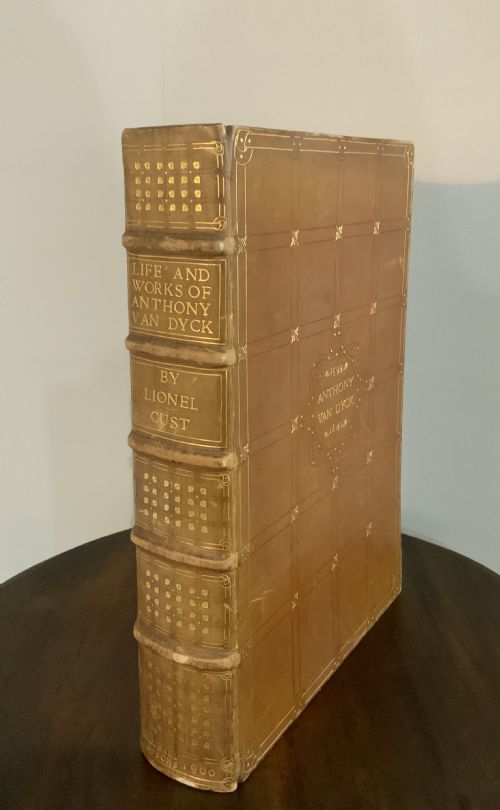

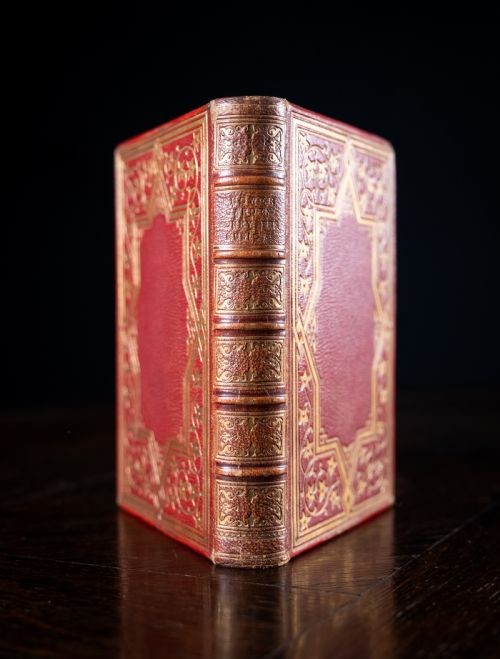
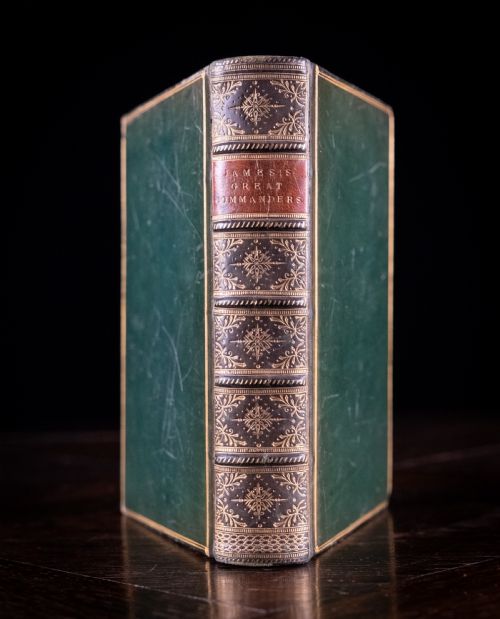


Gilt Tooled Leather Volume
These gilt tooled leather volume examples offer rich period bindings and classic literature, bringing tactile warmth and historic charm to any bookshelf.
Gilt Tooled Leather Volume
A gilt tooled leather volume delivers the tactile weight of nineteenth-century bookbinding into modern hands, encompassing everything from poetry and history to illustrated fiction. Buyers seeking this phrase encounter works predominantly originating from the Victorian era, alongside occasional Georgian and Edwardian examples.
The selections on this page span single volumes, multi-volume sets, and complete collections housed in calfskin leather or full leather bindings. Formats range from travel narratives and biographies to botanical guides and poetry, each displaying the characteristic decorative treatments of their period.
Most pieces date from the mid-nineteenth century through to the early twentieth century, reflecting the peak of decorative publisher bindings and fine leatherwork. These volumes combine literary content with distinct craft traditions, serving as both reading copies and decorative objects.
How they were made
Binders utilised durable calfskin leather and cloth over cardboard to form the structural boards, pairing these with heavy paper and marbled paper for internal leaves and endpapers. Leather bindings were often stretched over raised cords on the spine to provide structural rigidity.
Decoration relied on gold leaf and gilt applications impressed into the leather using heated metal tools and decorative rolls. This technique, known as tool gilding, produced the bright metallic lettering and geometric or floral borders characteristic of the period.
Listings span the eighteenth, nineteenth, and early twentieth centuries, featuring calfskin leather, marbled paper, and gold leaf bindings.
What varies in quality
The refinement of the tooling separates standard publisher bindings from master craftsmanship, visible in the crispness and depth of the gold leaf impression against the leather grain. Richer leather textures and well-preserved marbled endpapers indicate higher initial production values.
Condition is defined by the integrity of the hinges and the stability of the spine, where suppleness in the leather preserves both text block and decorative exterior.
The Gilt Tooled Leather Volume Glossary
- Gilt tooling
- The application of gold leaf into heated impressions made on leather book bindings. This method creates decorative patterns and lettering that catch the light.
- Calfskin leather
- A fine, smooth leather derived from a calf, frequently chosen for nineteenth-century bookbindings because it takes gold tooling cleanly.
- Marbled paper
- Paper decorated with colourful swirling patterns resembling marble, traditionally used for endpapers inside the front and back covers.
- Endpaper
- The folded sheet of paper pasted against the inside cover of a book, joining the binding to the internal text block.
Gilt Tooled Leather Volume: Frequently Asked Questions
How should I care for leather bound books?
Keep volumes away from direct sunlight and excessive humidity to prevent the leather from drying out and cracking over time. Handle them gently by supporting the spine rather than pulling them off the shelf by the top edge of the headcap.
Allow adequate air circulation around your shelving to deter mould growth and maintain the natural moisture balance within the calfskin and paper components.
Can I read these antique volumes?
Most nineteenth-century editions are sturdy enough for gentle reading, provided the internal text block and sewing remain secure within the leather binding. Take care not to open the covers beyond a comfortable angle to protect the spine structure.
For fragile multi-volume sets or heavily gilt bindings, restrict handling to careful consultation rather than daily reading to preserve the delicate gold leaf work.
How do I identify the publication period?
Check the title page and preliminary leaves for printed dates, publisher details, or contemporary handwritten inscriptions left by former owners. Stylistic clues in the gilt tooling and leather grain also point towards specific decades such as the Victorian or Edwardian eras.
Binders often included date stamps or publisher colophons at the foot of the spine or on the reverse of the title page for reference.
What makes a set more desirable?
Complete multi-volume sets sharing uniform bindings and matching gilt decoration hold particular appeal for collectors seeking uniformity on a shelf. Uniformity in leather tone and publisher design across all volumes indicates a cohesive original release.
Provenance details, such as original bookplates or notable historical bindings, add further interest to collected editions.