




Leather History Book
These leather history book volumes bring tangible past narratives to your shelves through period bindings and historical texts.
Leather History Book
A leather history book search uncovers antiquarian volumes and multi-volume sets dedicated to historical chronicles, royal biographies, and national pasts. You encounter works spanning the eighteenth century through the early twentieth century, encompassing Georgian, Regency, Victorian, and Edwardian periods.
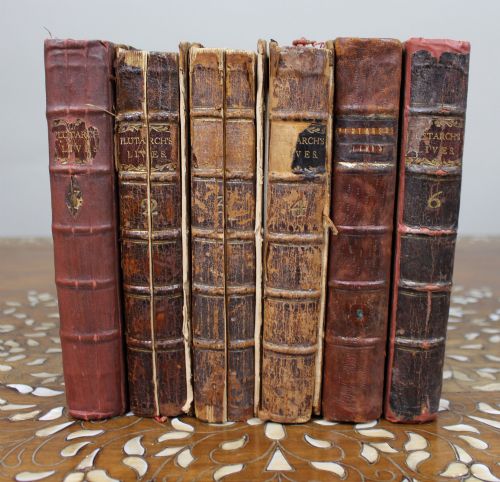
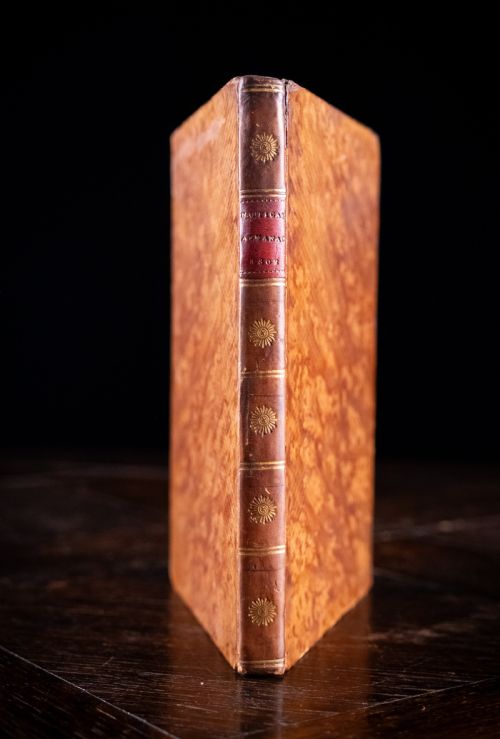
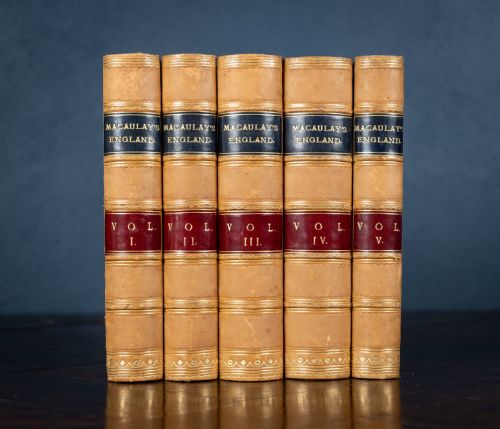
The selections range from multi-volume sets of Plutarch and Macaulay to specialised regional histories, nautical almanacs, and miniature Bibles. Alongside traditional reading copies, the category includes curious items such as games boards disguised as faux books.
Most items you meet on this page originate from British printing presses and binderies, offering substantive reading experiences paired with period craftsmanship.
Materials and construction methods
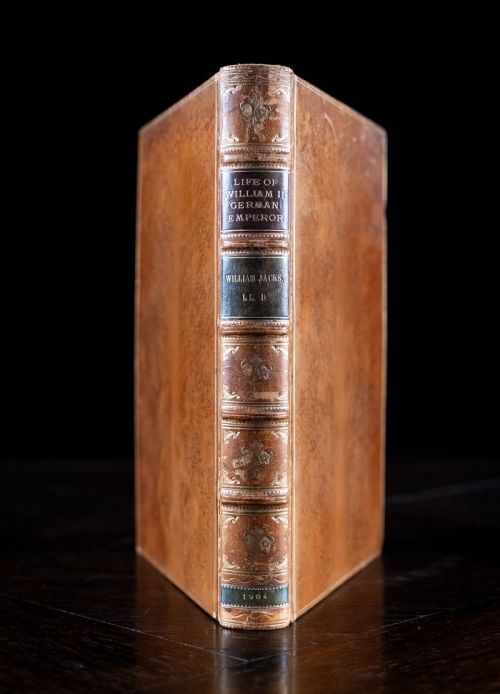
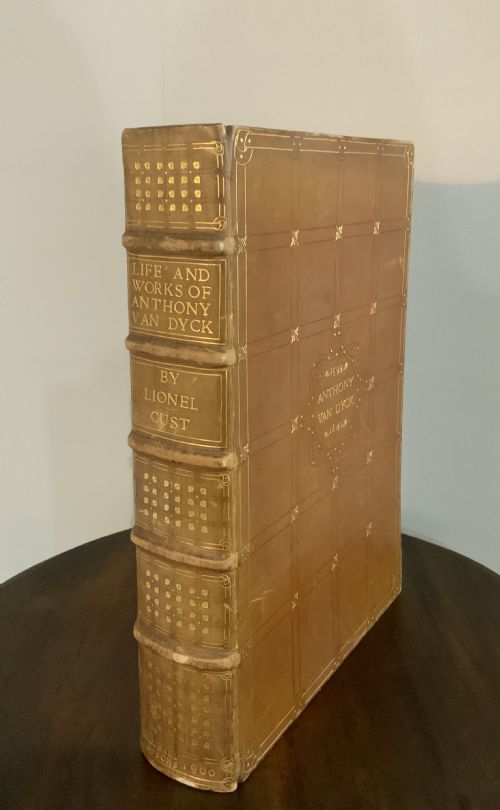
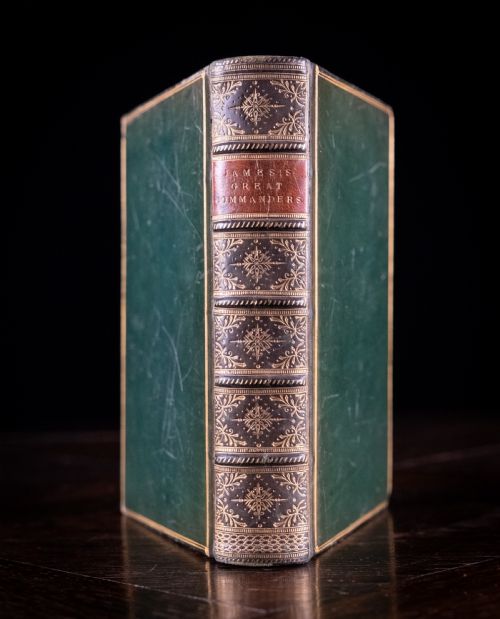
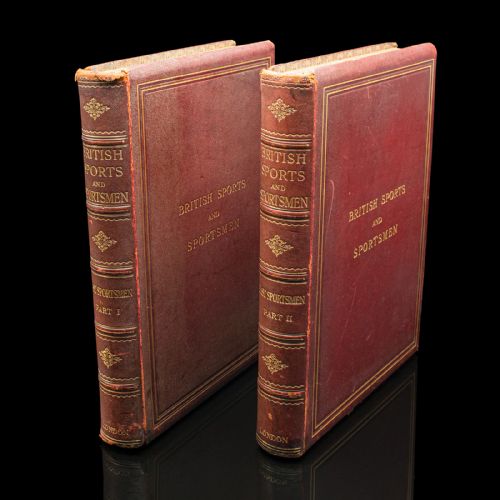
Binders utilised durable calfskin leather to cover sturdy cardboard and board cores, creating protective exteriors designed to endure heavy handling. Spines and boards frequently received decorative treatment via gold leaf tooling.
Text blocks consist of quality paper, occasionally accompanied by marbled paper endpapers and intricate engraved plates or illustrations. Rebound volumes from later nineteenth-century binderies demonstrate refreshed calfskin bindings applied to earlier printed sheets.
Victorian craftsmen engineered clever games boards disguised as dignified rows of leather history books to hide your chess pieces in plain sight.
Factors of craftsmanship and condition
The standard of execution in tooling and the choice of binding materials separate ordinary commercial production from bespoke workshop outputs. Master binders applied precise hand-tooled gold leaf and selected superior calfskin grades for prestige commissions.
Completeness of multi-volume sets and the preservation of original plates, folding maps, or engravings heavily influence the desirability of a historical text. Volumes retaining contemporary bindings without modern restoration command distinct attention from collectors.
J. & R. Tonson·Henry Young & Son·Zaehnsdorf·Jean Dassier
The Leather History Book Glossary
- Calfskin
- A fine leather prepared from the skin of a calf, valued by bookbinders for its smooth grain and receptivity to tooling. It provides a supple yet durable surface for historical bindings.
- Gold leaf
- Gold beaten into an exceedingly thin sheet, utilised in bookbinding for impressing decorative titles and patterns onto leather spines and boards. This material resists tarnishing over centuries.
- Marbled paper
- Paper decorated with a colourful, swirling pattern resembling marble, commonly pasted inside the covers as endpapers. Binders applied this technique to add ornamental interior detail.
- First edition
- The earliest printed appearance of a specific work, often sought by collectors for textual authority and historical priority. Subsequent impressions follow this initial run.
- Miniature book
- A tiny volume produced as a novelty or devotional item, typically measuring under a few inches in height. These compact works require specialised printing and binding scale.
Leather History Book: Frequently Asked Questions
How do I identify a first edition?
Publishers indicated first editions through specific title page dates corresponding to initial print runs, occasionally supported by publisher notes.
Comparing publication details against standard bibliographical records confirms the printing sequence of historical volumes.
Are multi-volume sets usually complete?
Many surviving sets retain all original volumes, though losses occur over long periods of domestic storage and family dispersal.
Checking volume numbering against the title page imprint ensures you secure a complete historical narrative.
Why do some books have faux leather spines?
Victorian craftsmen constructed clever novelty items like games boards disguised as leather-bound book collections for drawing room entertainment.
These decorative objects housed chess and backgammon sets within hollowed wooden or cardboard book forms.
How should I care for leather bindings?
Leather-bound volumes require stable environmental conditions away from direct sunlight and excessive humidity to prevent the skin from drying or cracking.
Allowing adequate air circulation around your shelves preserves the integrity of nineteenth-century calfskin covers.