






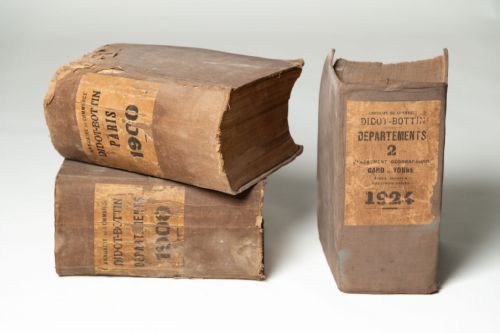

Antique Library Decorative Books
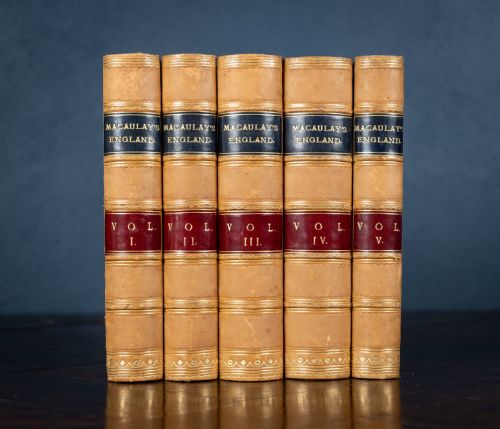
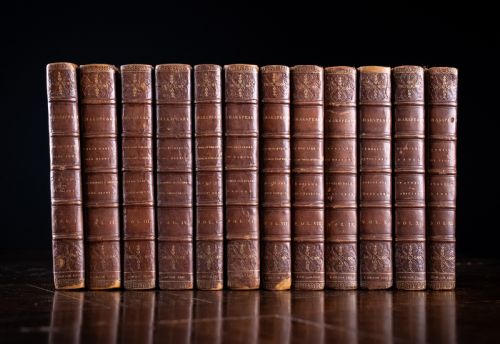
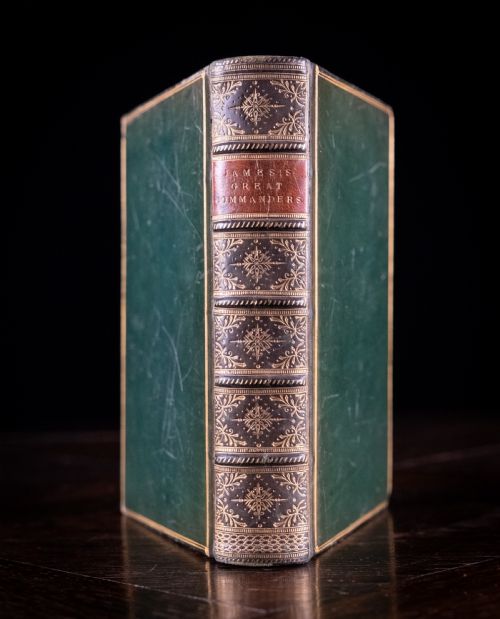
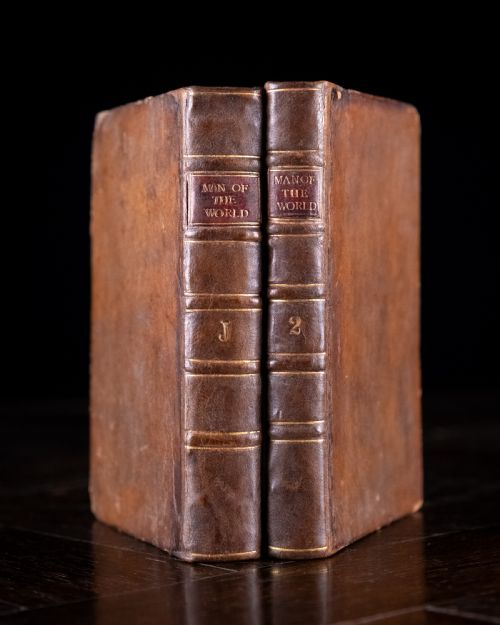
When you search for antique library decorative books, you find leather and cloth bound sets, single volumes, and book rests spanning the eighteenth, nineteenth, and twentieth centuries.
Antique Library Decorative Books
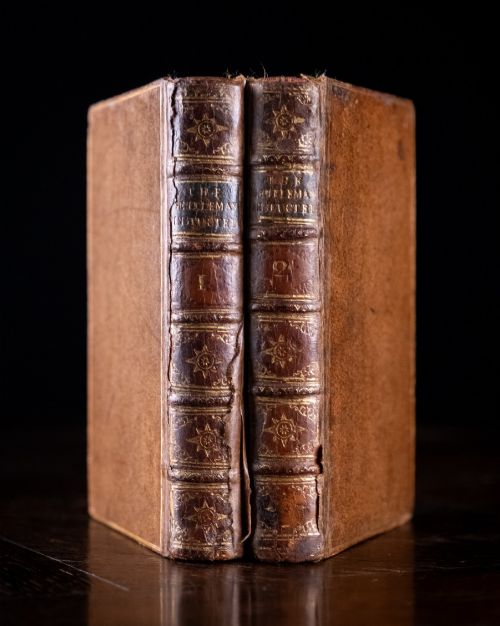
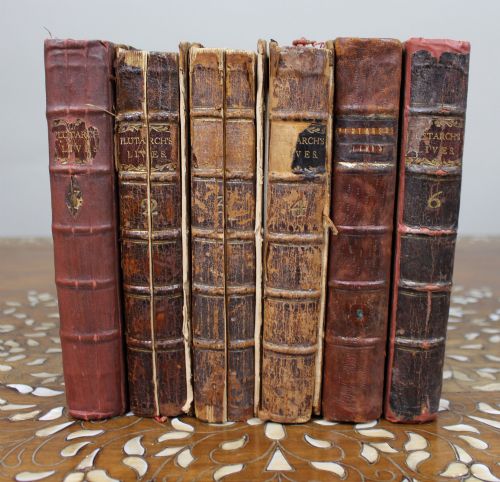
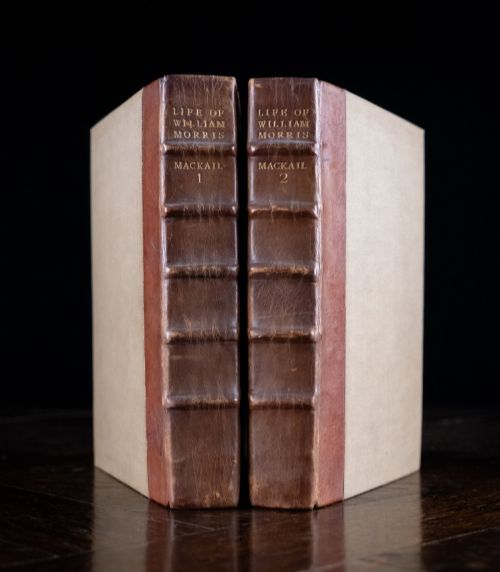
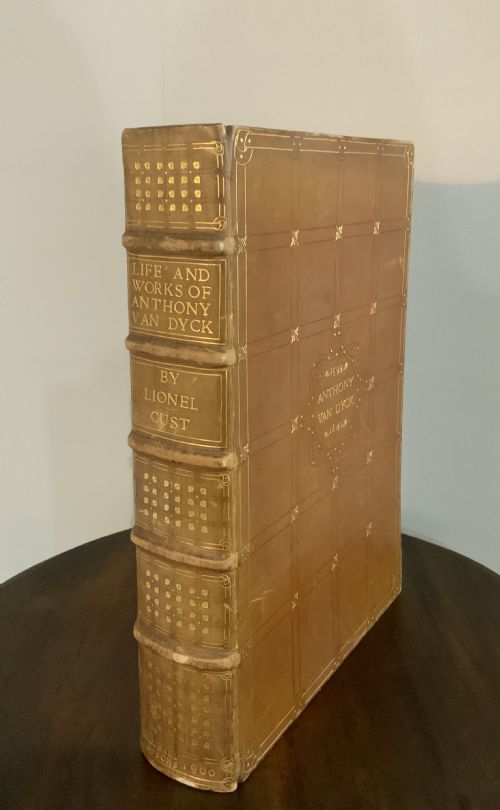
Antique library decorative books comprise complete multi-volume sets, single leather-bound works, and functional accessories like bookends and extending book rests. The selection spans the eighteenth century through the Edwardian period and the early twentieth century, including French and English editions.
Most entries consist of historical works, classic plays, novels, and memoirs grouped by uniform bindings or comprehensive sets. Pieces range from multi-volume sets of Shakespeare and Sir Walter Scott's Waverley Novels to nineteenth-century philosophy and memoirs.
Accessories such as mahogany and brass gothic revival book rests and tall ship brass book ends complement the bound volumes. These items serve both as readable literature and as decorative elements for interior display.
How they were made
Binders utilised traditional materials such as calfskin, full leather, cloth, vellum, and cardboard to construct the covers. Pages consist of paper, often paired with illustrations or plates.
Spines and covers frequently received gold leaf and gilt tooling to highlight titles, ornamentation, and raised bands. Some editions feature bronze medals or specialised bindings created by workshops such as Henry Young and Son.
Listings feature materials such as calfskin, vellum, gold leaf, and brass across items from the eighteenth, nineteenth, and twentieth centuries.
What varies in quality
Quality differences depend on the uniformity of the binding across a multi-volume run and the crispness of the gilt tooling on the spine. Complete sets matched in contemporary leather display higher consistency than assembled runs.
The choice of covering material and the presence of first editions or original illustrations by artists like Gustave Doré elevate the significance of a set. Structural integrity of the paper, boards, and vellum also separates standard reading copies from fine decorative editions.
J. & R. Tonson·Henry Young and Son·J. Wheble·Jean Dassier
The Antique Library Decorative Books Glossary
- Calfskin
- A fine leather made from the skin of a calf, frequently used for smooth and durable book bindings in the eighteenth and nineteenth centuries.
- Gilt
- Application of gold leaf or gold powder to decorate the edges of pages or the tooling on leather and cloth bindings.
- Vellum
- A fine parchment material prepared from calfskin, used historically for durable and decorative book covers.
- First Edition
- The initial published appearance of a work, often sought by collectors for its priority of text.
- Book Rest
- An adjustable or fixed wooden or metal stand designed to hold open volumes on a desk or table.
Antique Library Decorative Books: Frequently Asked Questions
What is included in a book set?
Book sets contain multiple volumes of a single author's works, historical accounts, or plays, often bound uniformly to sit together on a shelf.
Runs can range from two volumes to multi-volume editions spanning dozens of books published across the eighteenth and nineteenth centuries.
How do I care for leather bindings?
Leather-bound books require stable room humidity and protection from direct sunlight to prevent the material from drying out and cracking.
Handling volumes by the body rather than pulling them off shelves by the headcap preserves the spine integrity over time.
What periods do these books cover?
The available volumes span from the mid-eighteenth century through the Victorian and Edwardian eras into the early twentieth century.
Earlier editions feature Georgian typography and eighteenth-century calf bindings, while later items reflect Victorian and twentieth-century publishing styles.
How were book rests used?
Book rests supported heavy volumes such as folios, dictionaries, and literary works on desks or library tables for easier reading.
Extending wooden and brass designs allowed the reader to adjust the angle and width to fit different book sizes.