



Leather Spine Hardback Books
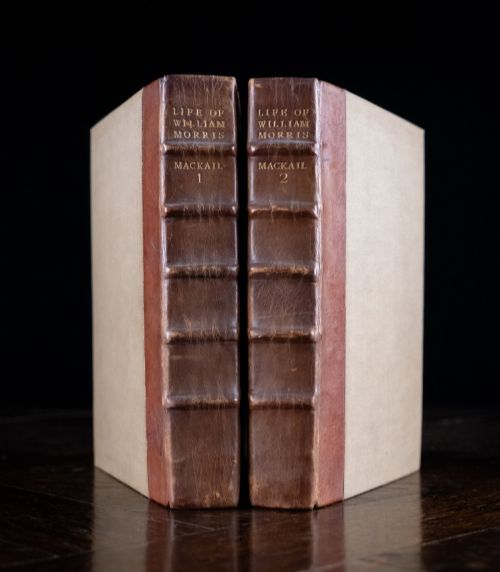
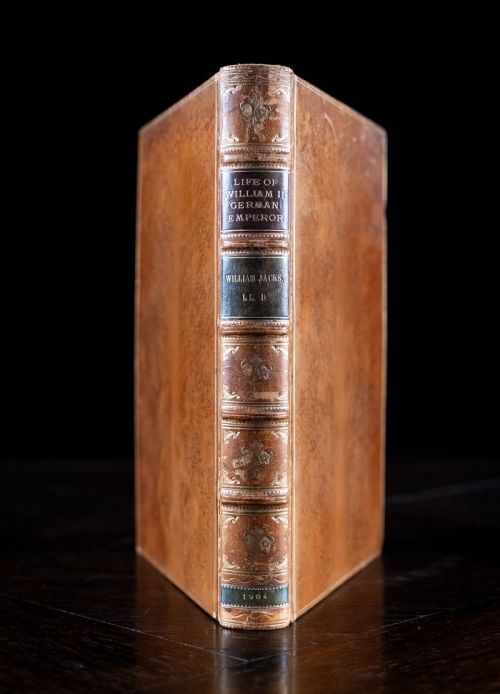
These leather spine hardback books bring tangible history and tactile depth to a room through genuine period bindings and paper.
Leather Spine Hardback Books
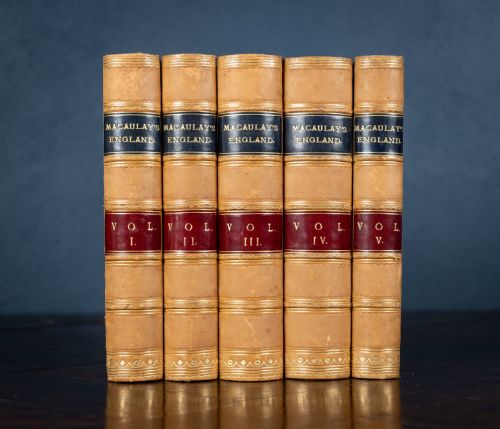
When you search for leather spine hardback books, you are looking at volumes originating from the nineteenth century up to the Edwardian period, encompassing multi-volume sets, atlases, memoirs and biographies. These editions showcase the traditional output of Victorian and Edwardian presses, bound in durable calfskin or vellum alongside cloth and marbled paper.
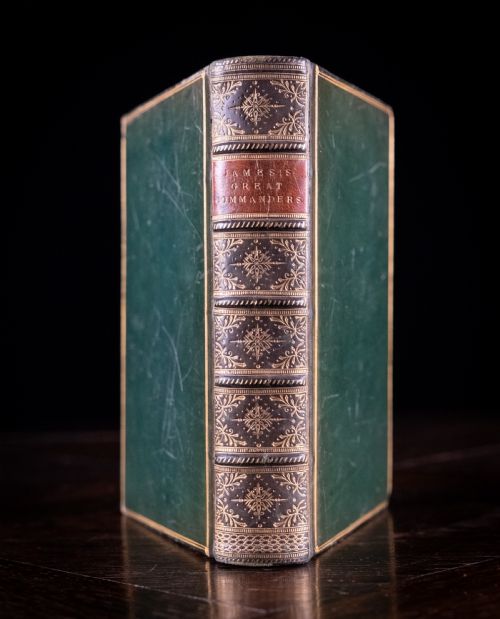
The versions most frequently met on this page include nineteenth century multi-volume sets such as historical works and novels, alongside single biographical volumes and cartography books. Many display period bindings featuring gold leaf lettering and tooling along the spine, reflecting the standard library and reading tastes of the era.
How they were made
Binders constructed these volumes using leather, calfskin, vellum and cloth over sturdy boards, protecting the paper text blocks inside. The materials respond to handling and age, retaining the physical structure imparted by nineteenth and early twentieth century bookbinding workshops.
Spines received decoration through gold leaf tooling and lettering applied directly onto the leather surface. Marbled paper often appeared on the covers or endpapers, complementing the leather spines and corners of the bound books.
The listings on this page span the nineteenth century through to the nineteen-twenties, featuring paper, leather, calfskin, vellum and gold leaf.
What varies in quality
The quality of leather spine hardback books depends on the preservation of the binding materials and the crispness of the gold leaf tooling along the spine. Supple calfskin and intact vellum maintain their structural integrity better over the decades than dry or flaking leather.
Completeness alters the character of a volume, distinguishing single reference books from extensive multi-volume sets spanning many years. The clarity of period cartography, typography and marbled endpapers also separates standard reading copies from finer library editions.
The Leather Spine Hardback Books Glossary
- Calfskin
- A fine, smooth leather derived from calf hide, frequently utilised for nineteenth century book bindings. It offers a supple texture that takes gold tooling cleanly along the spine.
- Vellum
- A writing material made from prepared calf, lamb or kid skin, valued for its durability and smooth surface. Vellum bindings present a distinct pale finish on antique books.
- Marbled paper
- Paper decorated with colourful patterned swirls resembling marble, commonly used for endpapers or board covers. It adds visual contrast to the leather spine of a hardback book.
- Gold leaf
- Extremely thin sheets of beaten gold applied to leather spines for lettering and decorative tooling. It provides a bright metallic contrast against dark calfskin bindings.
- Cartography
- The study and practice of making maps, found in period atlases and reference books. Antique cartography volumes contain engraved or printed maps from the nineteenth and early twentieth centuries.
Leather Spine Hardback Books: Frequently Asked Questions
How should I care for leather spine books?
Keep these volumes away from direct sunlight and damp conditions to prevent the leather and paper from degrading over time. Handle them gently by the body of the book rather than pulling them from shelves by the top of the leather spine.
Allow adequate air circulation around your library shelves rather than packing the books too tightly together. Gentle dusting with a dry cloth keeps the paper edges and leather surfaces clean.
Can I read these antique books?
Most of these nineteenth and early twentieth century volumes remain sturdy enough for careful reading when handled with respect for their age. The paper blocks and durable hardback bindings were built for daily use by Victorian and Edwardian readers.
Support the covers fully when opening a volume rather than letting them bend back beyond their natural limits. Multi-volume sets and heavy atlases require flat surfaces to protect the spine joints during consultation.
What periods do these books cover?
The selections span the nineteenth century and the Edwardian era, including specific dates from the eighteen-forties through to the nineteen-twenties. This encompasses Victorian historical sets, memoirs and early twentieth century cartography.
Publishing styles evolved across this timeframe, moving from hand-tooled calfskin bindings towards twentieth-century cloth and leather combinations. Each decade introduced slight variations in typography and paper production.
How are multi-volume sets organised?
Multi-volume sets group extensive historical works, novels or reference guides into uniform bindings designed to sit together on a library shelf. Each volume shares matching leather spines, lettering and page dimensions to maintain a consistent appearance.
Authors and publishers often released these works sequentially over several years, while keeping the binding style uniform across the entire run. This allowed readers to collect comprehensive editions of major works over time.