
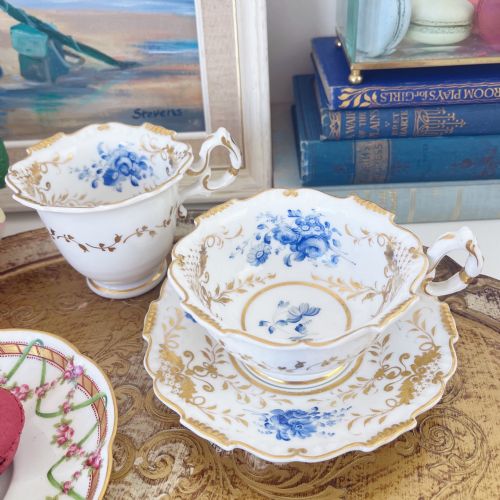
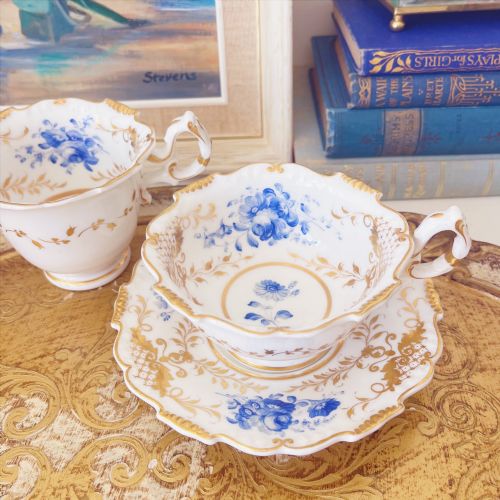
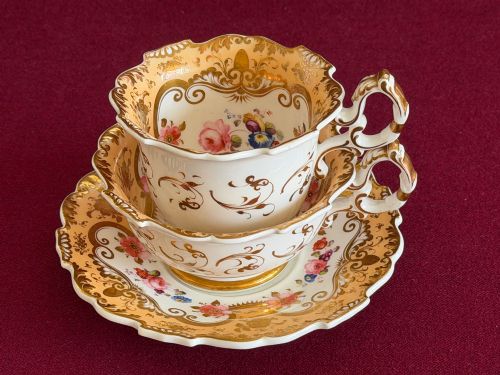
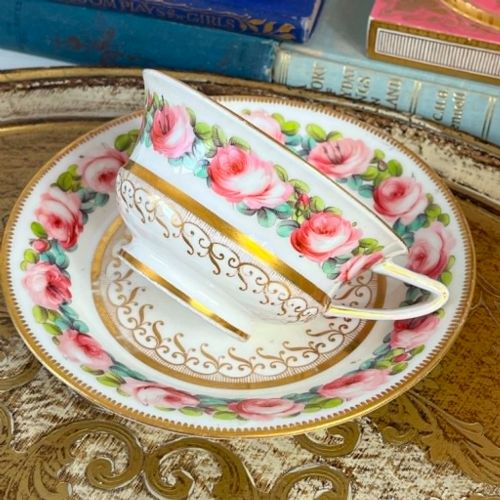


Gilt Porcelain Tea Cups
Gilt porcelain tea cups bring handpainted botanical panels, intricate gilding and centuries of ceramic artistry straight to the table.
Gilt Porcelain Tea Cups
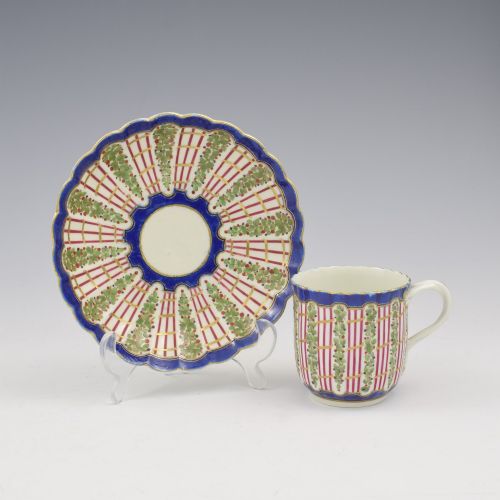
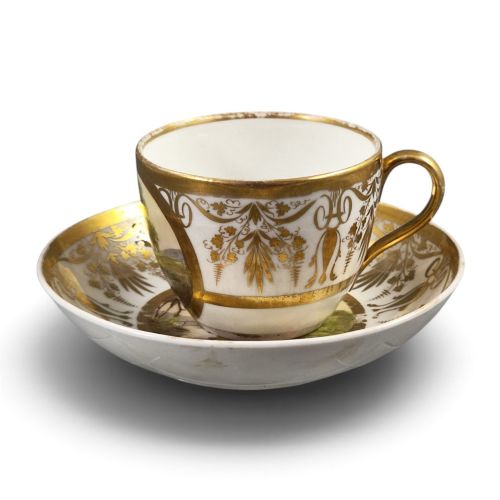
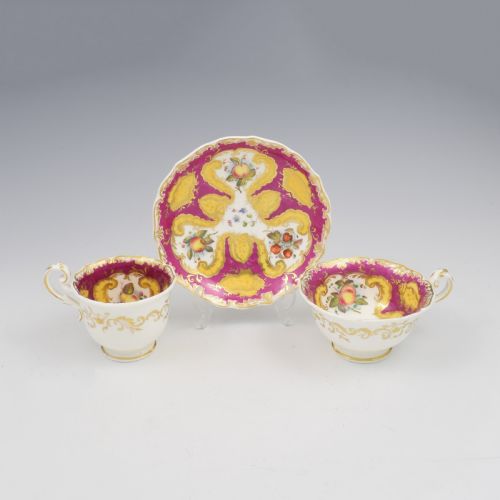
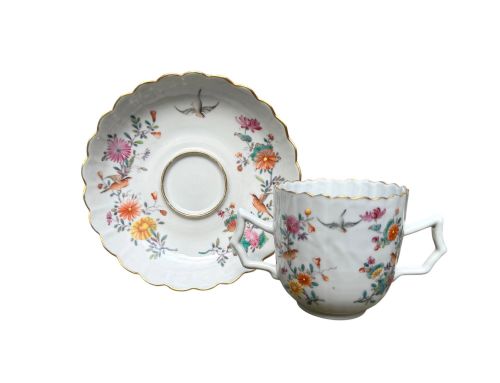
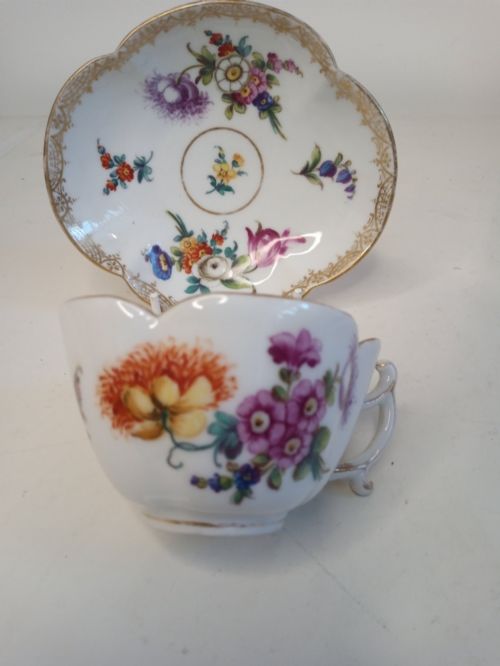
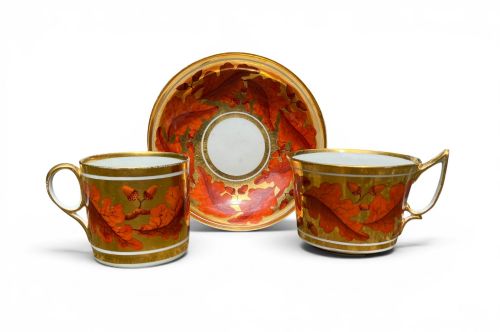
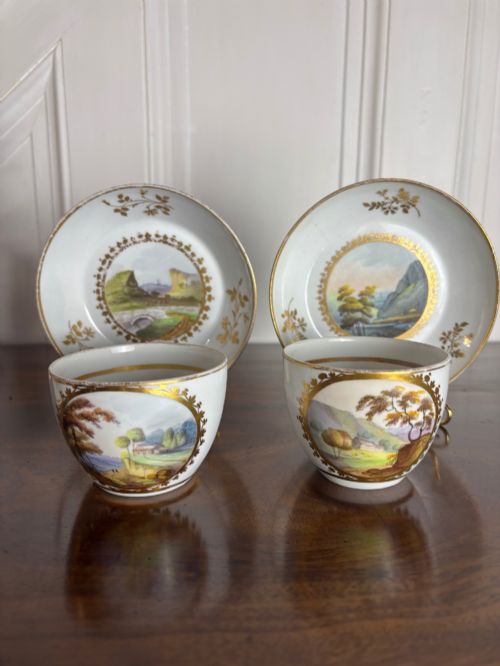
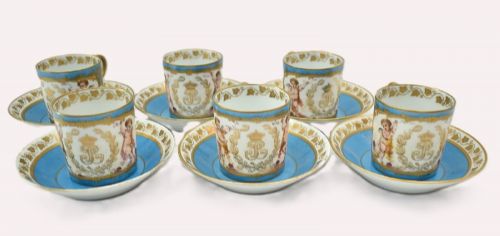
When searching for gilt porcelain tea cups, collectors encounter delicate teacups, saucers, trios and larger sets spanning the eighteenth, nineteenth and early twentieth centuries. These vessels combine fine ceramic bodies with applied gold leaf or liquid gilding, frequently featuring handpainted landscapes, birds or floral motifs.
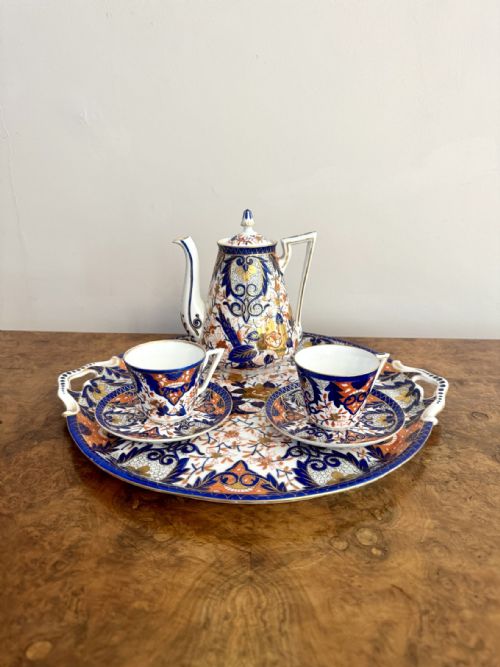
The pieces on this page most commonly originate from nineteenth-century English and continental factories, alongside eighteenth-century domestic and Chinese export productions. Forms range from simple tea bowls and saucers to elaborate cabinet cups, coffee services and comprehensive afternoon tea sets.
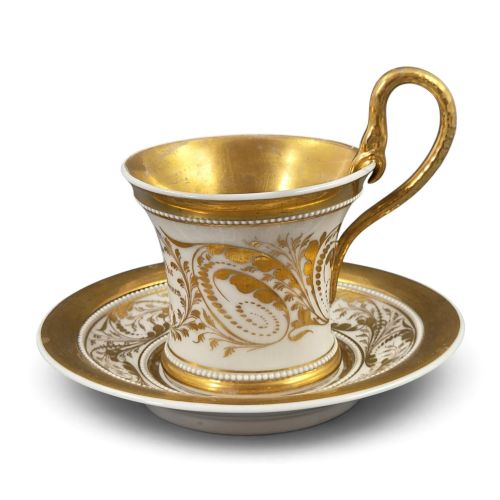
Buyers find examples representing varied regional traditions, including Regency and Victorian English wares, Biedermeier cabinet pieces, and Qing Dynasty porcelain. Each form reflects the social rituals of its period, from formal morning coffee to leisurely afternoon tea.
How they were made
Manufacturers utilised hard-paste porcelain, soft-paste porcelain and bone china as the primary ceramic bases, shaping them on wheels or casting them in moulds. Artisans applied cobalt underglaze, enamel colours and gold leaf by hand before subjecting the pieces to multiple kiln firings.
Gilding techniques involved brushing gold preparations onto the porcelain surface and firing the pieces to fuse the metal, followed by burnishing to achieve a brilliant shine. Painters executed detailed landscapes, figures and floral sprays by hand, often incorporating raised paste work beneath the gold.
Listings feature periods from the 18th Century through the 1920s, employing porcelain, gold leaf, enamel and bone china.
What varies in quality
The standard of painting on the ceramic surface distinguishes simpler production wares from exceptional cabinet pieces. Fine brushwork, precise handpainted details and carefully executed enamel colours elevate the visual depth of floral sprays or landscape panels.
The application and finish of the gilding itself mark another distinction across pieces. Thick, burnished gold leaf and intricate raised gilding demonstrate superior craftsmanship compared to plain flat metallic paint.
H & R Daniel·KPM Berlin·Coalport·Derby Porcelain·Minton·Sevres·Royal Worcester·Yates·Spode·Hutschenreuter·Gardner Porcelain·Davenport
The Gilt Porcelain Tea Cups Glossary
- Trio
- A matched set consisting of a tea cup, a coffee cup and a saucer. This combination was particularly popular in nineteenth-century English ceramics.
- Cabinet Cup
- A decorative cup and saucer intended for display in a cabinet rather than for daily tea drinking. These pieces often feature elaborate painted scenes and rich gilding.
- Soft-Paste Porcelain
- An early artificial porcelain body composed of clay and glass frit. It possesses a warm glaze tone and was utilised by eighteenth-century factories before hard-paste formulas became widespread.
- Bone China
- A porcelain type incorporating bone ash into the paste. This material provides strength and a translucent white body favoured by English makers.
- Famille Rose
- A palette of opaque enamel colours dominated by pink, introduced in Chinese ceramics during the Qing Dynasty. Pieces decorated in this style frequently reached European export markets.
Gilt Porcelain Tea Cups: Frequently Asked Questions
What is a porcelain trio?
A porcelain trio comprises a tea cup, a matching coffee cup and a saucer. Makers produced these sets during the Georgian and Victorian periods to accommodate different hot beverages.
They allowed households to serve both tea and coffee using matching tableware during social gatherings.
How should I clean gilt porcelain?
Clean these cups gently by hand using lukewarm water and mild soap. Avoid abrasive sponges or harsh detergents that can wear away the delicate gold leaf and handpainted enamels.
Dishwashers are entirely unsuitable for antique porcelain because the intense heat and harsh chemicals damage the glaze and gilding.
Can I use antique tea cups daily?
While these vessels were originally made for dining and entertaining, antique porcelain requires careful handling due to age and fragile materials. Many collectors reserve them for special occasions or display them in cabinets.
If you choose to use them, avoid serving extremely hot liquids suddenly to prevent thermal shock to the ceramic body.