





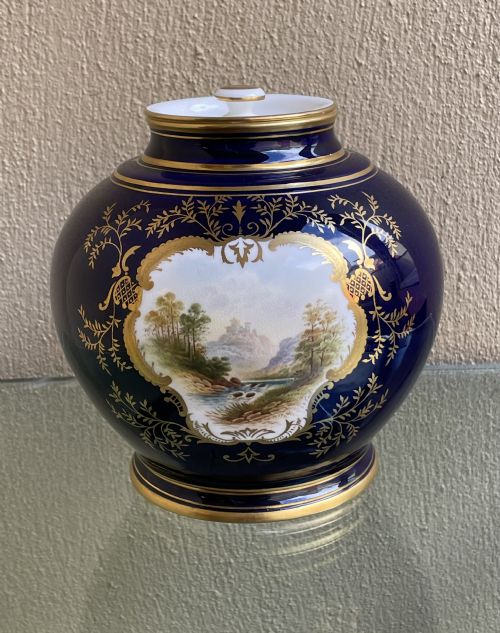


Gilt Porcelain Lidded Urns
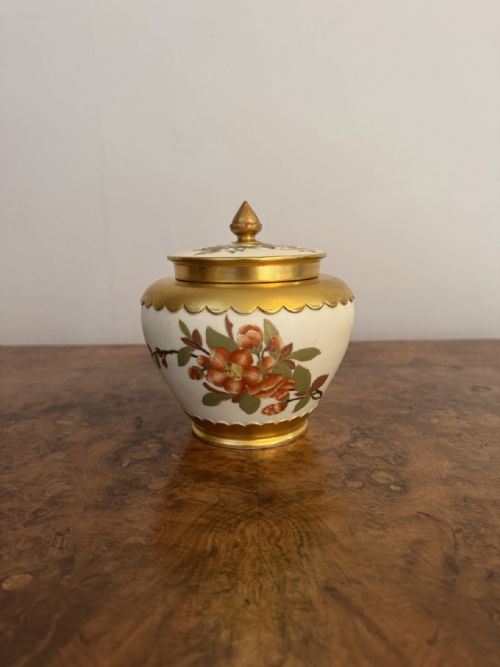
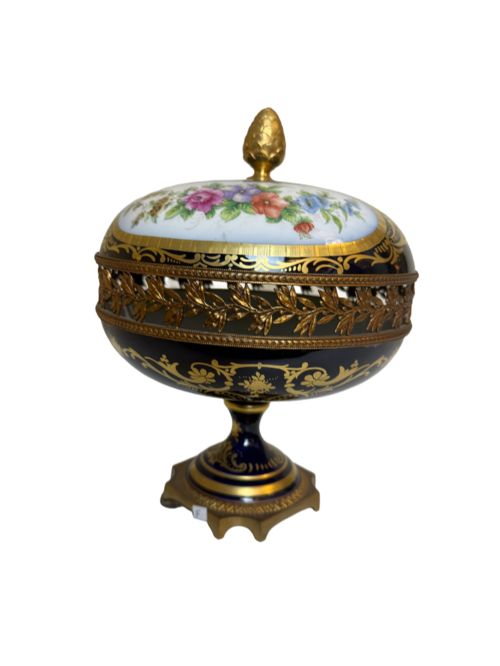
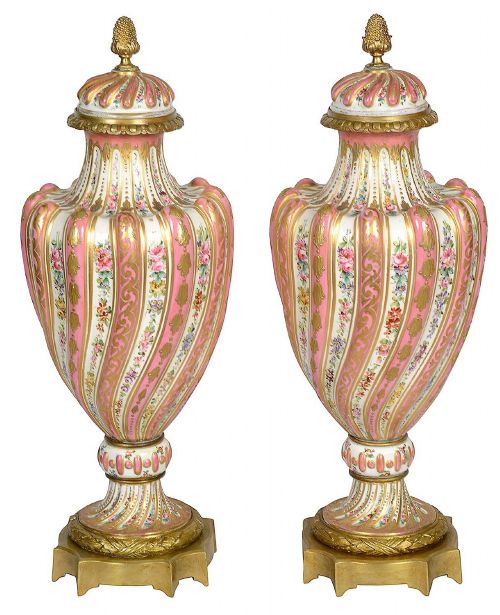
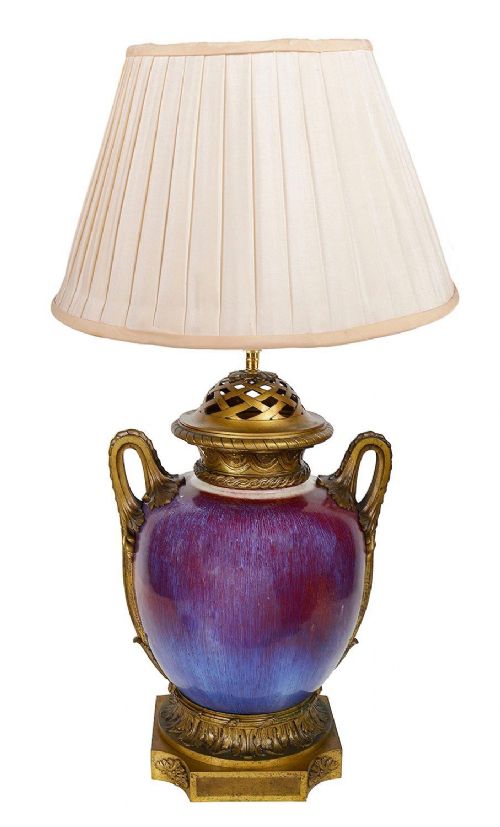
These gilt porcelain lidded urns combine bright ceramic bodies with rich metallic gilding to anchor a mantelpiece or centre table.
Gilt Porcelain Lidded Urns
When you search for gilt porcelain lidded urns, you encounter covered vessels and vases originating from nineteenth-century European factories and earlier Asian kilns. The selection spans distinct forms such as potpourri jars, ginger jars, and classical pedestal vessels designed for display.
Makers across England, France, Germany, and Austria produced these covered vases in styles that reflect Rococo Revival, Neoclassical, and Victorian tastes. Pieces range from modest domestic mantel ornaments to monumental pairs mounted in ormolu.
How they were made
Artisans formed these vessels from porcelain, earthenware, and ironstone before applying hand-painted enamels and intricate gold leaf or gilding. Many examples incorporate cast ormolu and gilt bronze mounts that secure the covers and bases.
Factories utilised traditional throwing and moulding techniques, followed by multiple firings to fix delicate polychrome scenes and metallic accents onto the ceramic surface.
Listings feature porcelain vessels from the Georgian period through the twentieth century, alongside nineteenth-century pieces.
What varies in quality
The precision of the hand-painted decoration determines the standing of an individual piece, separating standard factory output from exhibition-grade work. Signed works by noted artists and established manufacturers command particular attention.
The weight and finish of the gilt metal mounts also indicate the level of craftsmanship, with finely chased ormolu mountings distinguishing superior specimens from simpler metal hardware.
Royal Worcester·Chamberlain Worcester·Coalport·Spode·Masons Ironstone·Royal Vienna·Royal Crown Derby·Wolfsohn Dresden·Samson of Paris·Sevres
The Gilt Porcelain Lidded Urns Glossary
- Ormolu
- Gilded bronze mounts applied to furniture and porcelain vessels. This technique was widely utilised in French decorative arts during the eighteenth and nineteenth centuries.
- Potpourri
- A mixture of dried petals and spices held within a pierced ceramic vessel. Lidded jars designed for this purpose often feature perforated covers to release scent.
- Gilding
- The application of gold leaf or powder to a surface. On these vessels, it highlights handles, rims, and painted panels.
- Imari
- A style of Japanese export porcelain characterised by underglaze blue and iron red with added gold. European factories frequently copied these patterns.
- Famille rose
- A palette of opaque enamel colours dominated by pink. This Chinese ceramic style influenced numerous nineteenth-century European decorators.
Gilt Porcelain Lidded Urns: Frequently Asked Questions
What were lidded urns used for?
These covered vessels served primarily as decorative garnitures for mantelpieces, sideboards, and large tables in formal rooms. Some specific forms, such as potpourri jars, held scented dried botanicals to freshen indoor air.
Larger pairs often functioned as standalone architectural ornaments designed to showcase the wealth and refined taste of the owner through elaborate painted scenes and gilding.
How do I identify a nineteenth-century piece?
Nineteenth-century examples often display revival styles such as French Rococo, Neoclassical, or Victorian ornamentation. Examining factory marks on the underside helps establish the production era and origin.
Weight, the quality of the enamel colours, and the application method of the gold leaf provide additional clues regarding the manufacturing period.
Where were these porcelain urns made?
Production centres spanned major European porcelain capitals including Sevres in France, Vienna in Austria, and Dresden in Germany. English factories such as Royal Worcester and Coalport also contributed significantly.
Export wares from Asian kilns, including Japanese Imari and Satsuma workshops, also appear frequently alongside European interpretations.
How should I display an urn at home?
Place heavier pairs symmetrically on stable surfaces like mantelpieces, console tables, or pedestals where their height and metallic gilding catch ambient light. Ensure they sit away from heavy foot traffic to protect delicate handles and covers.
Keep them out of direct sunlight to prevent any fading of the hand-painted enamel colours over time.