




Gilt Porcelain Jar
A gilt porcelain jar brings together rich ceramic bodies and gleaming metal leaf, offering a decorative focus for any interior.
Gilt Porcelain Jar
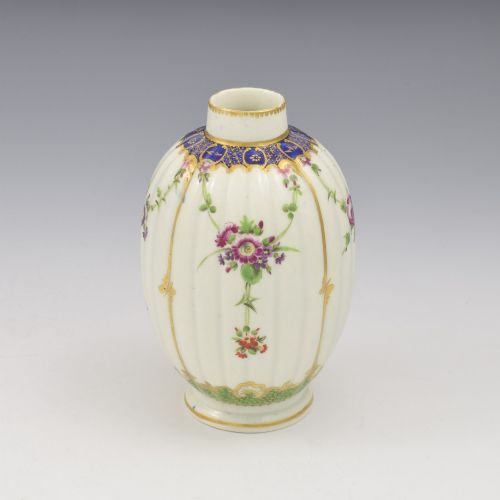
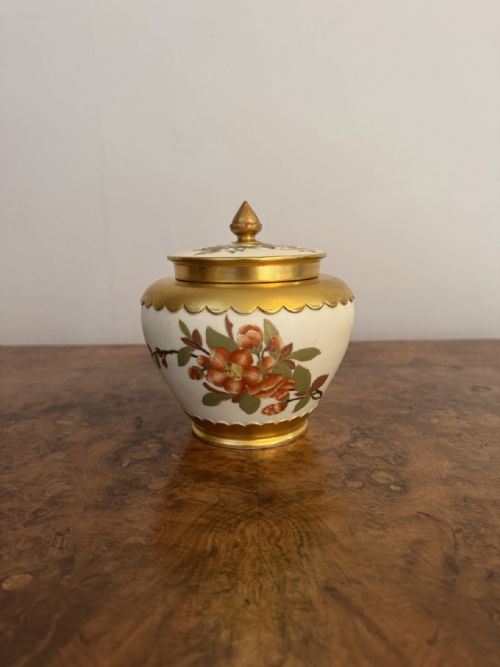
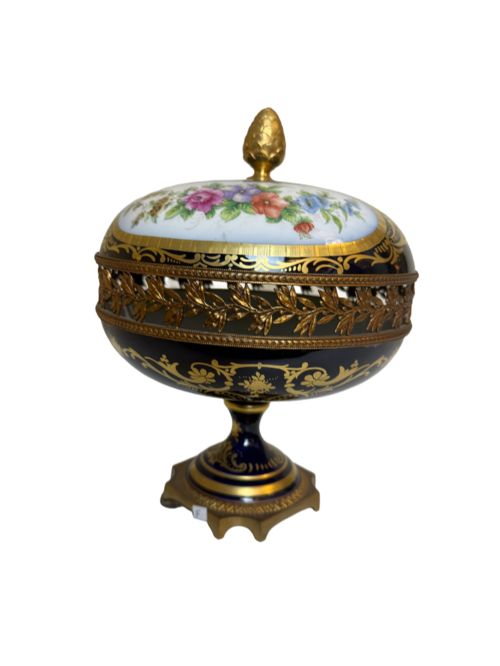
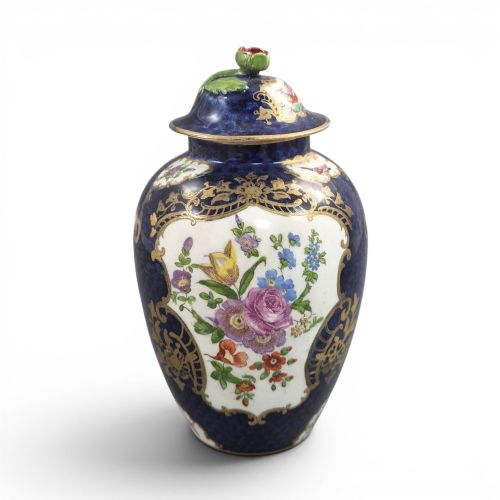
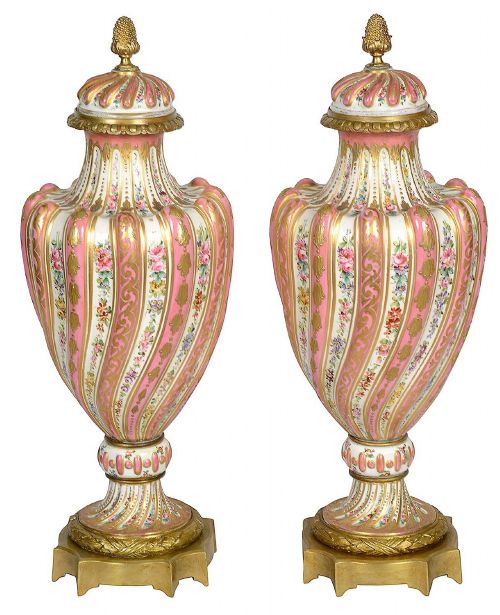
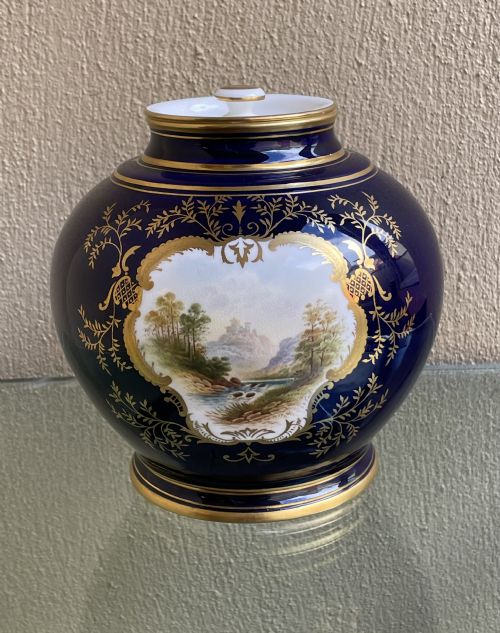
When searching for a gilt porcelain jar, a buyer encounters covered vessels, lidded urns, and potpourri pots produced across various centuries. These pieces combine glazed ceramic bodies with applied gold leaf, gilding, or ormolu mounts to create ornate display items.
The versions met most frequently on this page date from the nineteenth century, including English, French, and Japanese manufacture. Forms range from baluster vases and ginger jars to covered pots designed for tea or dried flowers.
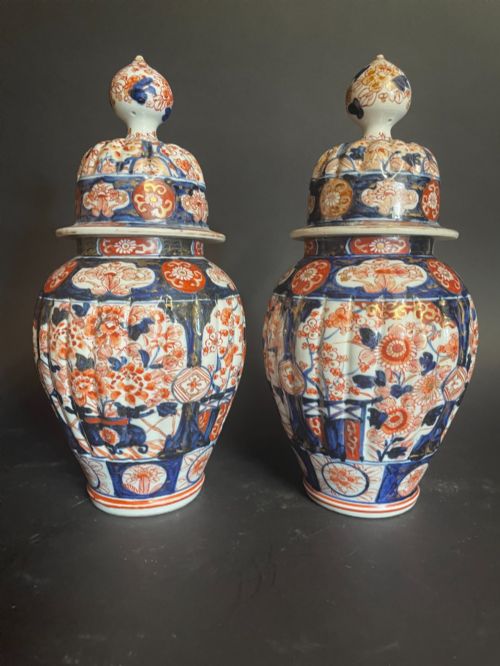
Makers drew on diverse decorative traditions, applying styles such as Chinoiserie, Imari, and Rococo Revival to their ceramic surfaces. Many pieces function as decorative containers, while others are adapted as table lamps.
How they were made
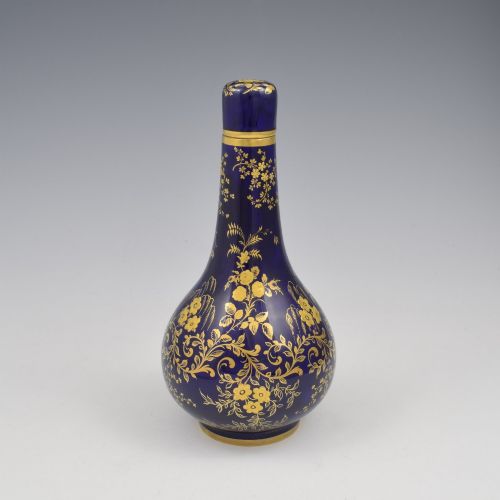
Potters shaped porcelain, earthenware, and ironstone into varied vessel forms before firing the ceramic bodies at high temperatures. Glazes in colours like powder blue, mazarine blue, and scale blue provided smooth grounds for subsequent decoration.
Craftsmen applied enamel paints by hand to render botanical motifs, exotic birds, and figures. Gold leaf and gilding were then added to rims, handles, and panels, occasionally complemented by cast ormolu mounts.
The selection includes nineteenth-century pieces alongside items from the Edwardian era, incorporating materials such as porcelain, enamel, and gold leaf.
What varies in quality
The standard of a piece rests upon the precision of the hand-painted details and the crispness of the porcelain moulding. Finer examples display meticulous brushwork in enamels and accurately applied gilding that enhances the underlying ceramic form rather than masking it.
The integration of metal elements, such as ormolu mounts or cast bronze details, separates standard production from superior work. Well-fitted lids and balanced proportions further distinguish the most accomplished items.
Royal Worcester·Samuel Alcock and Co·Royal Crown Derby·Mason Ironstone·Coalport
The Gilt Porcelain Jar Glossary
- Gilding
- The application of gold leaf or powdered gold onto the surface of porcelain. This technique highlights raised reliefs and rims.
- Ormolu
- Gilt bronze mounts used to decorate or support ceramic vessels. French makers frequently employed this technique.
- Potpourri
- A mixture of dried petals and spices kept in a lidded jar to scent a room. These vessels feature pierced covers to release fragrance.
- Imari
- A style of Japanese export porcelain featuring underglaze blue and iron red with added gold. European factories later copied this palette.
Gilt Porcelain Jar: Frequently Asked Questions
How are these jars cleaned?
Dust the surface gently with a soft, dry brush to protect the delicate enamel and gold leaf decorations. Avoid using chemical cleaners or immersing the ceramic in water.
Keep pieces away from direct sunlight to preserve the vibrant tones of the painted glazes.
Can I use them for food?
Most antique jars are intended strictly for decorative display rather than culinary use. The historic glazes and applied gilding may not withstand modern food safety standards.
Enjoy them as ornamental table pieces or mantel ornaments.
What is ormolu?
Ormolu refers to gilded bronze mounts attached to ceramic vessels for structural and decorative effect. Makers utilised these metal fittings to elevate the status of the piece.
French workshops frequently paired ormolu with porcelain bodies.
How do I date a piece?
Examine the base for maker marks, factory stamps, or studio signatures that indicate the period of manufacture. Stylistic clues such as Rococo revival shaping or Japanese Meiji motifs also help determine age.
Compare the quality of the glaze and hand-painting with documented examples from known potteries.