





Antique Pot Pourri
When you search for antique pot pourri, you encounter lidded ceramic jars and pierced silver boxes designed to hold dried scented plant matter.
Antique Pot Pourri
The antique pot pourri selection spans two distinct forms: ceramic lidded vases with pierced inner covers designed to release fragrance into a room, and solid sterling silver or plated boxes with pierced lids intended for desks or dressing tables.
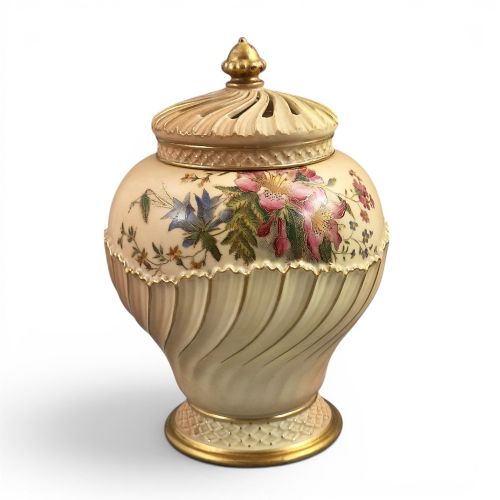
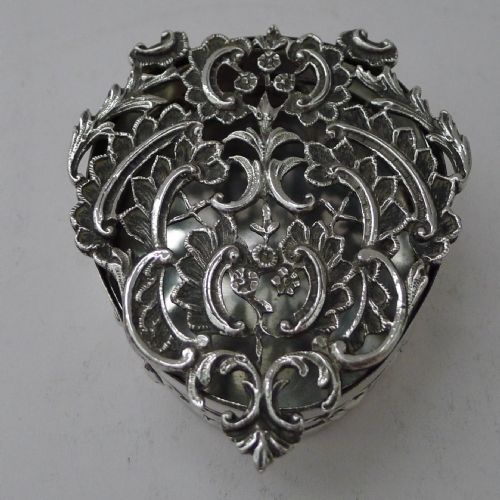
Ceramic examples range from Edwardian blush ivory earthenware produced by Royal Worcester to nineteenth-century continental porcelain with ormolu mounts, while silver pieces frequently date from the Edwardian period and display embossed cherubs, floral motifs, or pierced scrollwork.
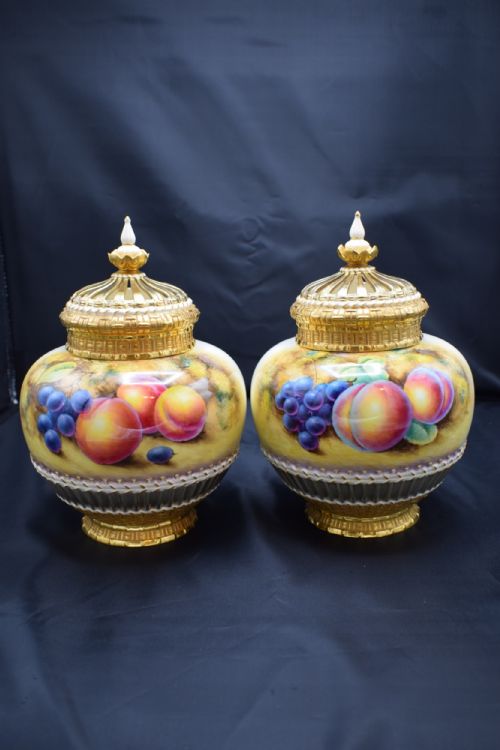
You are most likely to meet Royal Worcester blush ivory lidded jars featuring painted roses or fruit, alongside English sterling silver lavender boxes bearing hallmarks from the early twentieth century.
How they were made
Ceramic pieces rely on traditional throwing or slip casting, followed by hand-painting with botanical or fruit subjects and the application of gilding or gold leaf before final firing.
Silver containers utilise sheet metal working, stamping, and intricate piercing by hand or machine to create the lattice lids that allow scent to escape while retaining the dried petals within.
Ormolu mounts and gilt bronze fixtures on continental porcelain vessels involve lost-wax casting and fire gilding to secure decorative metal bases and rims.
Listings feature porcelain, sterling silver, and enamel across Victorian, Edwardian, and mid-twentieth century periods.
What varies in quality
The distinction between ordinary and exceptional ceramic pots rests on the skill of the artist, separating standard factory output from pieces signed by notable painters such as Stinton, Raby, or Blake.
In silver boxes, quality is determined by the depth and crispness of the embossed repoussé work, the weight of the metal, and the precision of the piercing on the inner and outer lids.
The integration of mounts, the retention of original covers, and the clarity of factory marks or town hallmarks elevate the standing of individual specimens.
Royal Worcester·Walker and Hall·William Comyns·Samuel Alcock·Moorcroft Macintyre and Co·George Nathan and Ridley Hayes
The Antique Pot Pourri Glossary
- Blush ivory
- A matte cream-coloured ceramic ground developed by Royal Worcester, often tinted with peach and blue tones beneath floral decoration.
- Repoussé
- A metalworking technique where the silversmith hammers the design from the reverse side to form raised relief patterns on boxes and baskets.
- Ormolu
- Gilded bronze mounts applied to nineteenth-century porcelain vases and urns to provide decorative handles, feet, and rims.
- Crown cover
- A pierced outer lid shaped like a coronet, commonly found on Royal Worcester pot pourri jars to diffuse fragrance.
- Imari
- A decorative style utilising underglaze blue and iron red with gold highlights, seen on nineteenth-century ironstone pieces.
Antique Pot Pourri: Frequently Asked Questions
What is an antique pot pourri jar?
These vessels are lidded ceramic or metal containers created to hold dried flowers and spices used to fragrance domestic interiors.
They typically feature pierced lids or inner covers designed to release botanical scents gradually into a room.
How do I date a silver pot pourri box?
Silver examples are dated by examining the stamped hallmarks for the assay office, standard mark, and date letter.
Maker's marks stamped alongside the hallmarks also help identify the silversmith and active production period.
Where were pot pourri jars placed?
Ceramic jars were displayed on mantelpieces, pedestals, and console tables in principal reception rooms.
Smaller silver lavender boxes were kept on dressing tables, desks, or boudoir surfaces.
Did Royal Worcester make pot pourri?
Royal Worcester produced numerous pot pourri jars, vases, and rose baskets, particularly during the late nineteenth and early twentieth centuries.
These pieces often feature blush ivory grounds and hand-painted botanical or fruit decoration by named studio artists.