

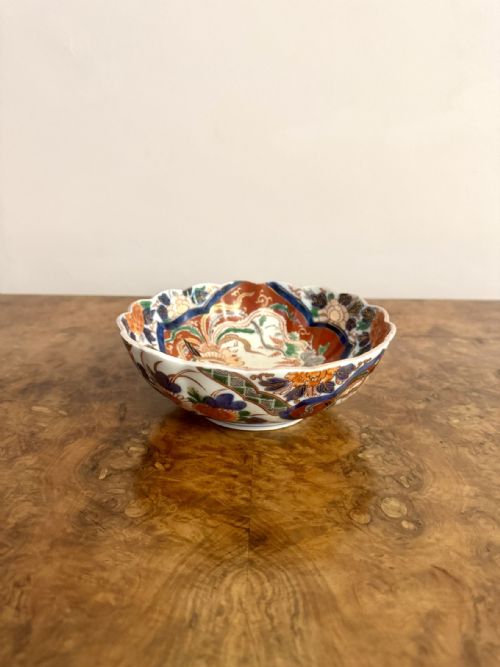
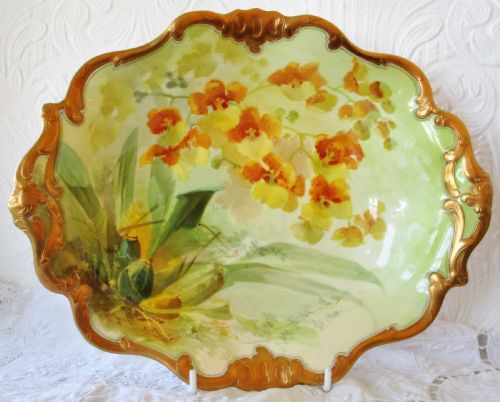


Gilt Porcelain Fruit Bowl
A gilt porcelain fruit bowl brings colour and metallic sheen to a table, uniting functional ceramic form with ornamental richness.
Gilt Porcelain Fruit Bowl
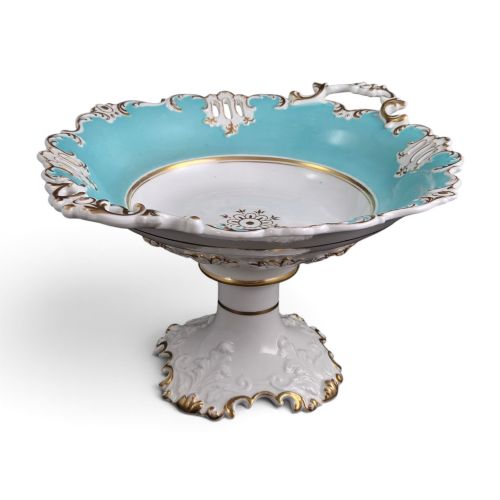
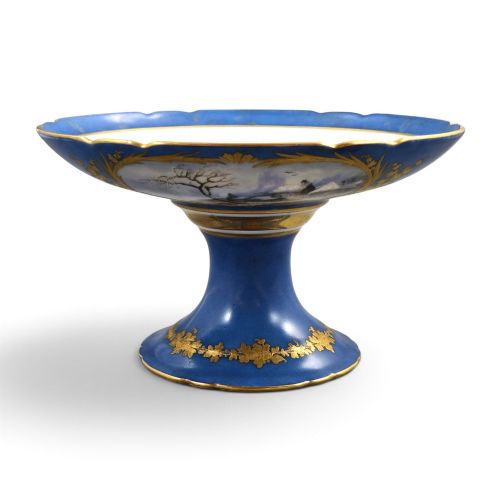
When you search for a gilt porcelain fruit bowl, you encounter a variety of open ceramic vessels designed for display and service, including footed comports, tazzas, and large centrepieces. These pieces emerge primarily from nineteenth-century Victorian workshops, Edwardian makers, and early twentieth-century potteries.
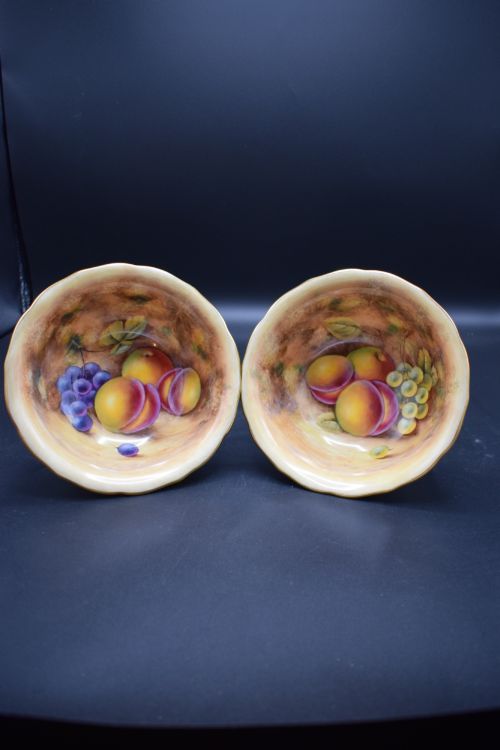
You are most likely to meet pieces finished with hand-painted motifs, rich enamel colours, and applied gilt highlights. The selection spans traditional English bone china, Japanese Imari patterns, and continental porcelain styles influenced by French taste.
Materials and Technique
Makers shaped these vessels from fine porcelain or bone china, frequently throwing or moulding the clay into deep bowls, baskets, and pedestal forms. Artisans then applied rich enamel colours and gold leaf or liquid gilding to rims, handles, and raised surfaces before firing.
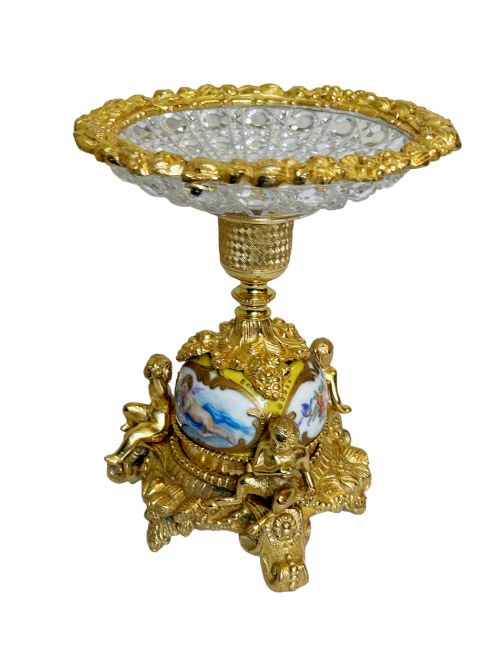
Many elaborate examples integrate cast gilt bronze or ormolu mounts, combining ceramic bodies with metallic frameworks, figural cherubs, or pierced lattice work.
Gilt Porcelain Fruit Bowl Retail Price Guide 2026
Typical asking prices for gilt porcelain fruit bowl among the pieces listed under this phrase on Sellingantiques today, from the lower quarter to the upper quarter. They describe what is for sale here now, not the wider market.
Listings feature porcelain, bone china, enamel, gold leaf, and ormolu across Victorian and Edwardian periods.
The Measure of Quality
Quality reveals itself in the crispness of the porcelain moulding and the precision of the hand-painted details. Superior pieces display finely articulated figures, such as applied putti or roses, alongside meticulously brushed gold leaf rather than flat, machine-printed bands.
The weight and balance of the vessel, the richness of the enamel palette, and the clarity of the maker's mark or artist signature distinguish standard production wares from exceptional studio and factory achievements.
Coalport·Royal Doulton·Doulton Burslem·Royal Worcester·Wedgwood
The Gilt Porcelain Fruit Bowl Glossary
- Comport
- A shallow bowl raised on a high foot or pedestal, traditionally used for serving fruit or sweetmeats at dessert.
- Tazza
- A small, broad saucer-like dish or cup set upon a pedestal, often utilised as a decorative centrepiece.
- Ormolu
- Gilded bronze, applied as mounts, feet, or decorative handles on nineteenth-century porcelain vessels.
- Imari
- A Japanese export porcelain style characterised by deep underglaze blue, iron red, and abundant gold highlights.
- Bone china
- A type of soft-paste porcelain incorporating bone ash, known for its high strength, chip resistance, and milky translucency.
Gilt Porcelain Fruit Bowl: Frequently Asked Questions
What is a gilt porcelain fruit bowl?
A gilt porcelain fruit bowl is an ornamental ceramic vessel decorated with gold leaf or gilding, designed to hold fruit or serve as a table centrepiece.
These pieces range from Victorian pedestal comports to Edwardian cabinet dishes, combining glazed ceramic bodies with metallic embellishments.
How were these bowls used historically?
Historically, these bowls served a dual purpose as decorative centrepieces on dining tables and functional vessels for holding fruit, nuts, or sweetmeats during dessert courses.
Wealthy households displayed them prominently on sideboards or dining tables to showcase refined taste and artistic craftsmanship.
How do I care for a gilt bowl?
Care requires gentle hand washing in lukewarm water with mild soap, avoiding abrasive sponges or harsh detergents that can wear away the delicate gold leaf.
Because many examples feature hand-painted enamels or gilded rims, they are unsuited for modern dishwashers or microwave use.
How can I tell the period?
Dating relies upon examining the base for factory backstamps, registration numbers, and artist signatures that correspond to specific production eras.
Stylistic cues, such as Victorian floral painting or Art Nouveau contours, further indicate whether a piece originates from the nineteenth or early twentieth century.