






Gilt Porcelain Covered Vase
A gilt porcelain covered vase brings unmistakable display presence to a room through rich ceramic forms and gleaming metallic highlights.
Gilt Porcelain Covered Vase
A gilt porcelain covered vase is a lidded ceramic vessel embellished with gold leaf, gilding, or gilt bronze mounts, designed to anchor a mantelpiece or sideboard. When searching this phrase, a buyer encounters forms ranging from classical Victorian urns and ginger jars to French Rococo Revival garnitures.
The nineteenth century yields the highest volume of examples on this page, particularly pieces produced in the style of Sèvres and Vienna alongside domestic English ironstone and bone china. Pairs of lidded vases intended for symmetrical placement dominate the selection alongside individual monumental baluster vessels.
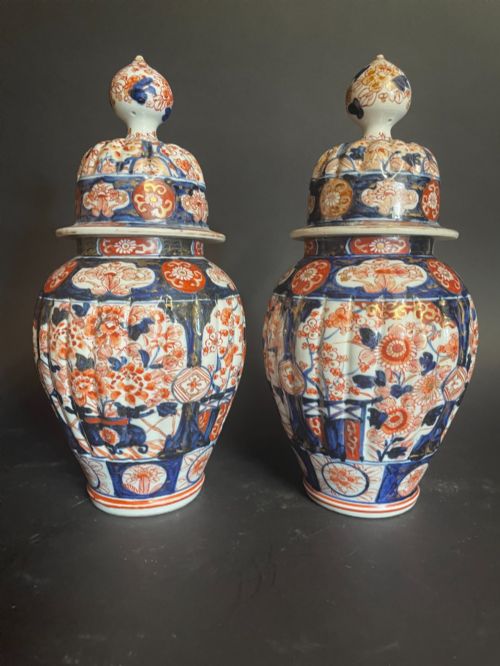
Origins stretch across European factories such as Derby, Worcester, Coalport, and Masons, as well as Japanese Imari production imported during the nineteenth century. These varied sources ensure that buyers find distinct regional interpretations of the covered vase format.
Materials and construction
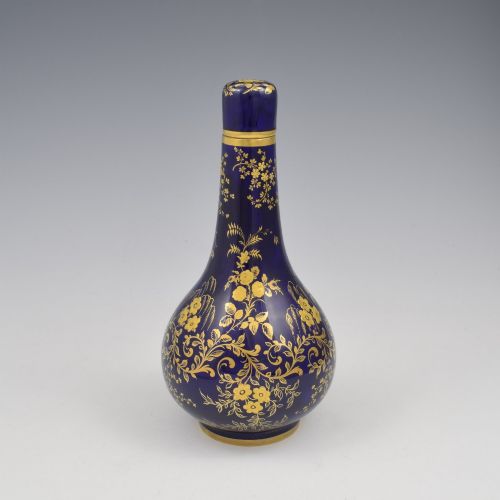
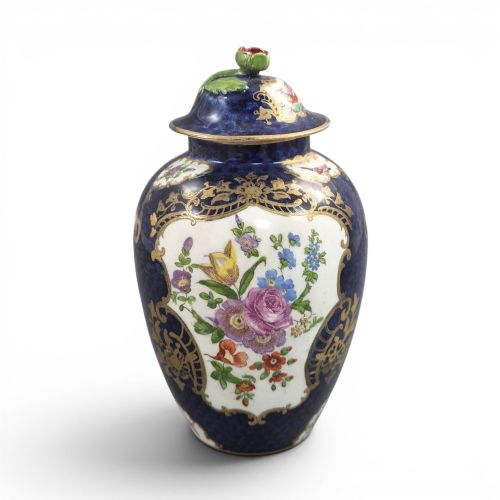
Pieces combine hard-paste or soft-paste porcelain and ironstone bodies shaped into baluster, bottle, or jar profiles, then fitted with matching ceramic lids. Surface decoration relies on hand-painted enamel colours, transfer printing, and cobalt blue grounds.
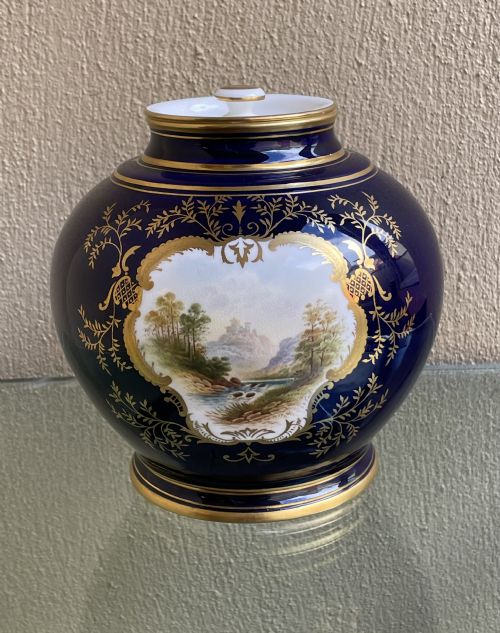
Gilt enrichment is applied using gold leaf or liquid gilding fired onto the ceramic glaze, frequently complemented by heavy cast ormolu and gilt bronze mounts secured around the bases, shoulders, and lids.
Listings feature porcelain, ironstone, and ormolu materials spanning the Georgian, Victorian, and Edwardian periods.
Assessing quality in covered vases
Quality rests in the crispness of the hand-painted details and the depth of the porcelain body, where finer examples display delicate brushwork such as naturalistic fruit or exotic birds rather than mechanical transfer application. The weight and chasing of any ormolu mounts also dictate the standing of the piece.
The integrity of the matching lid matters significantly, as original covers that fit the collar precisely separate superior specimens from married pairs or replacements. Gilding wear on high-friction rim areas indicates the intensity of past handling.
Derby Porcelain·Chamberlain Worcester·Coalport·Masons Ironstone·Royal Worcester
The Gilt Porcelain Covered Vase Glossary
- Gilding
- The application of gold leaf or powdered gold to the porcelain surface to create decorative highlights. This technique enhances the contours of the vessel.
- Ormolu
- Finely ground and cast brass or bronze finished with a mercury gold plating, used for decorative mounts on nineteenth-century pieces. It provides structural support and ornate handles.
- Garniture
- A set of three or more matching vases and pots designed to be displayed together on a single surface. These sets often feature a central taller urn flanked by smaller matching jars.
- Baluster
- A vase profile featuring a rounded lower body that tapers towards a narrow neck and flared rim. This silhouette was favoured for large decorative vessels.
- Ironstone
- A heavy, durable ceramic paste patented in the early nineteenth century to imitate Chinese porcelain. It provides a robust body for large hall vases and jugs.
Gilt Porcelain Covered Vase: Frequently Asked Questions
What were covered vases used for?
These lidded vessels served primarily as decorative garnitures on mantelpieces, credenzas, and large tables within formal nineteenth-century interiors. Some specific forms, such as potpourri jars, held dried flowers and spices to scent the air.
Larger baluster and hall vases functioned as standalone statements of wealth and taste rather than utilitarian containers for cut flowers. Their removable lids completed the sculptural silhouette of the ceramic body.
How do I style a pair of lidded vases?
Symmetrical pairs work best when placed at either end of a long sideboard, mantelpiece, or console table to create visual balance. Ensure the surrounding space remains uncluttered so the gilded highlights catch the light effectively.
Avoid placing them in areas of high foot traffic where the lids might be accidentally dislodged or the ormolu mounts knocked. Keeping them at eye level allows the hand-painted enamel details to be appreciated properly.
How do I tell Sèvres style from genuine pieces?
Pieces marked as Sèvres style are generally nineteenth-century European reproductions or homages inspired by the famous French factory rather than eighteenth-century royal output. They often feature characteristic rich blue grounds and heavy gilding applied over hand-painted panels.
Examining the paste quality, glaze consistency, and factory marks helps determine whether a piece is a later continental interpretation or a domestic English imitation.
What is the difference between Imari and European porcelain?
Imari porcelain originates from Japan and is defined by a distinct palette of underglaze cobalt blue, iron red, and abundant gold highlights. These pieces reflect traditional East Asian motifs adapted for export markets.
European factories subsequently imitated these vibrant patterns on their own porcelain and ironstone bodies, producing items described as Imari style. The underlying ceramic paste and weight usually distinguish Japanese originals from later European copies.