






Gilt Porcelain Cover Vase
These gilt porcelain cover vases combine fine ceramics with metallic lustre, offering striking decorative presence for any mantelpiece or table.
Gilt Porcelain Cover Vase
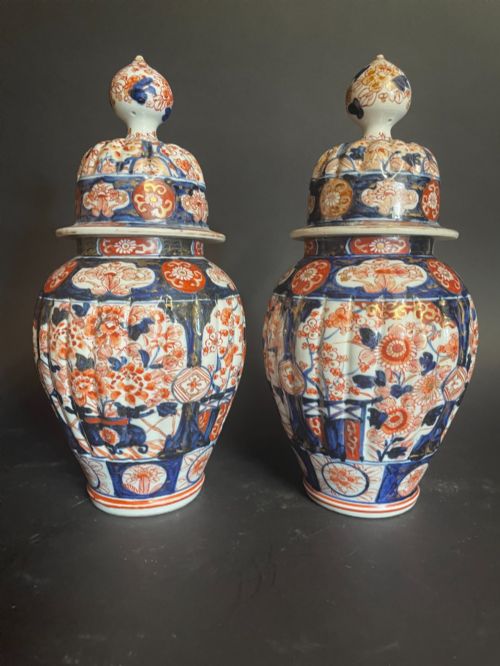
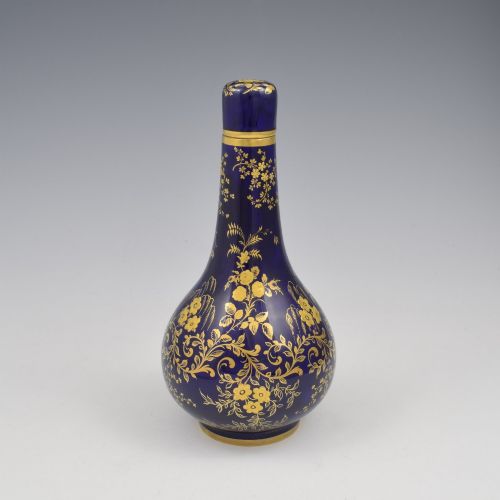
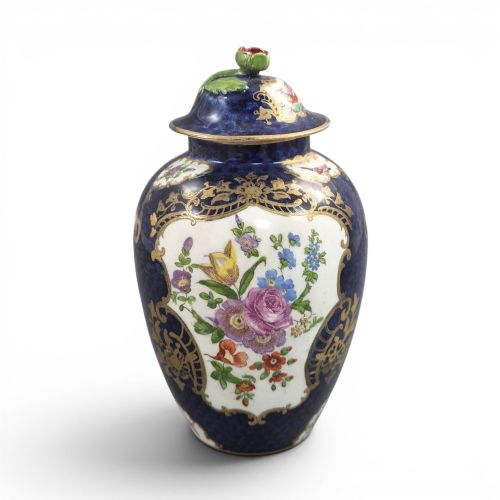
A gilt porcelain cover vase brings together ceramic bodies with metallic enrichment, appearing in forms such as baluster shapes, ginger jars, and urns. When seeking a gilt porcelain cover vase, buyers encounter items ranging from Georgian English factories to nineteenth-century continental works and Japanese Imari pieces.
The selection includes matched pairs and garnitures designed for symmetrical placement on classical interiors. These vessels frequently incorporate matching lids, transforming simple storage vessels into formal decorative objects.
Originating across diverse periods from the eighteenth century through to the mid-twentieth century, these vessels reflect changing tastes in European and Asian ceramic decoration. English ironstone and porcelain sit alongside French styles and Japanese export wares.
How They Were Made
Potters shaped the ceramic bodies from porcelain or ironstone pastes before firing them at high temperatures to vitrify the material. Artisans then applied enamel colours by hand, often featuring intricate floral or avian motifs.
Gilding was executed using gold leaf, liquid gold, or gilt bronze mounts fixed to the ceramic structure. Ormolu and gilt metal mounts frequently secure the bases and rims of French and English examples.
Listings feature porcelain, ironstone, and enamel materials across nineteenth-century and Georgian periods.
What Varies in Quality
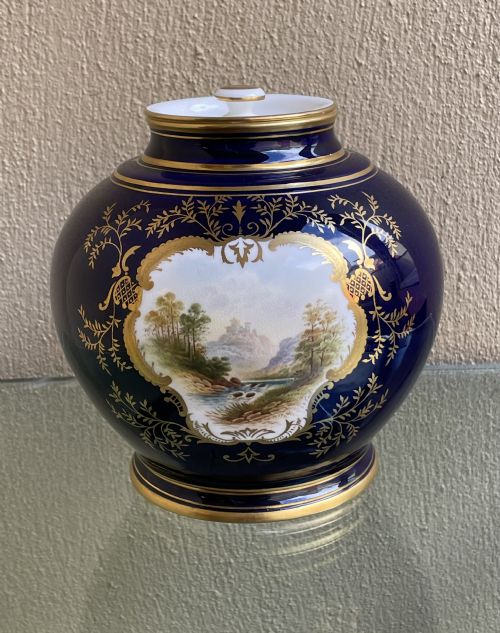
The precision of the hand-painted details separates standard production pieces from masterworks created by named artists and major factories. Crisp brushwork on cobalt grounds or delicate fruit studies indicate superior craftsmanship.
The weight and finish of the metal mounts, whether cast ormolu or finely applied leaf gilding, influence the overall character of the piece. Well-preserved gilding with minimal rubbing preserves the visual harmony between the ceramic body and its metallic ornamentation.
Derby Porcelain·Chamberlain Worcester·Coalport·Spode·Masons Ironstone·Samuel Alcock·Royal Vienna·Wolfsohn Dresden·Royal Worcester
The Gilt Porcelain Cover Vase Glossary
- Gilding
- The application of gold leaf or gold powder to the surface of porcelain. This technique adds reflective highlights and rich borders to the ceramic body.
- Ormolu
- Gilded bronze mounts used to decorate and support nineteenth-century decorative vases. These metal additions provide structural frames and ornate handles.
- Garniture
- A set of three or more matching vases and jars designed to be displayed together on a mantelpiece or sideboard. These matched groups create a balanced decorative arrangement.
- Ironstone
- A heavy, durable type of ceramic developed in the nineteenth century as a robust alternative to porcelain. Factories like Mason's utilised this dense material for large decorative vessels.
- Imari
- A traditional Japanese style of ceramic decoration featuring iron red, cobalt blue, and gold overglaze. European factories frequently copied these patterns during the nineteenth century.
Gilt Porcelain Cover Vase: Frequently Asked Questions
How were these vases used historically?
Historically, these lidded vessels served as decorative ornaments on mantelpieces, sideboards, and large cabinets. Some forms, such as potpourri jars, held dried flowers and spices to fragrance period rooms.
Larger pairs and garnitures were arranged symmetrically to project status and refinement within formal drawing rooms. The covers kept the contents concealed when used as functional containers.
How do I style a lidded vase at home?
Position matched pairs symmetrically on prominent surfaces like console tables, mantelpieces, or dedicated display plinths. Ensure adequate lighting reaches the gilded surfaces to highlight the metallic reflection.
Keep surrounding decor restrained to let the painted details and gold accents remain the focal point. Avoid placing them in direct, harsh sunlight to protect the enamel colours.
How can I tell different periods apart?
Period identification relies on examining the paste, the style of painting, and factory marks stamped or painted on the base. Georgian pieces often display hand-painted floral or Imari patterns on soft-paste or early bone china bodies.
Later nineteenth-century examples frequently feature transfer-printed foundations with heavy hand-gilding, or adopt specific continental revival styles. Twentieth-century works introduce naturalistic painted studies by known artists.