



Gilt Porcelain Compote
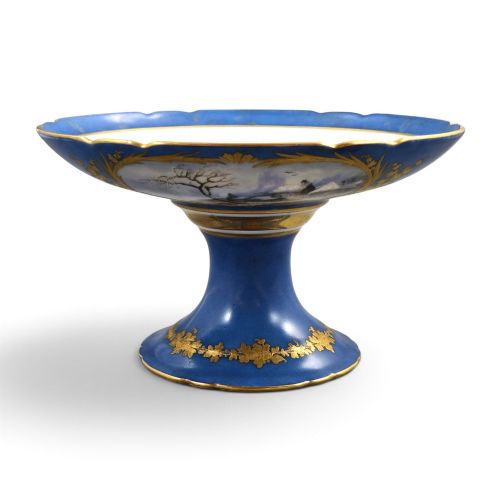
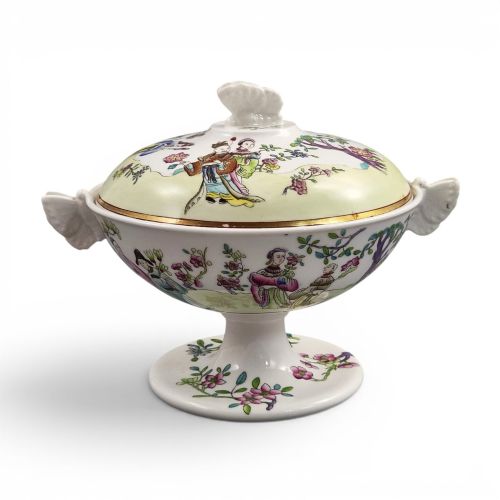
These gilt porcelain compotes elevate a dining table or cabinet, combining fine ceramic bowls with gleaming metallic mounts and raised pedestals.
Gilt Porcelain Compote
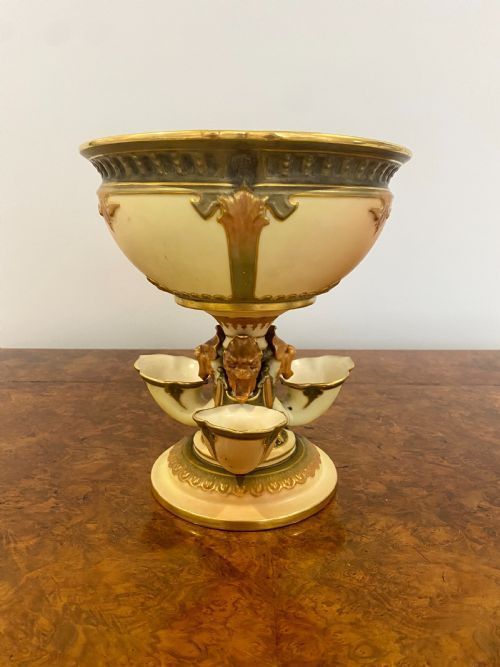
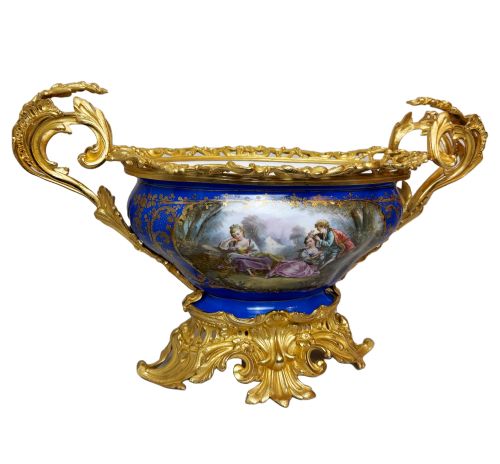
A gilt porcelain compote sits on a raised pedestal or base, serving as a decorative centrepiece, fruit bowl, or tazza for a formal table.
The pieces on this page span the Georgian, Victorian, and Edwardian eras, incorporating bone china and porcelain alongside applied or painted gilding.
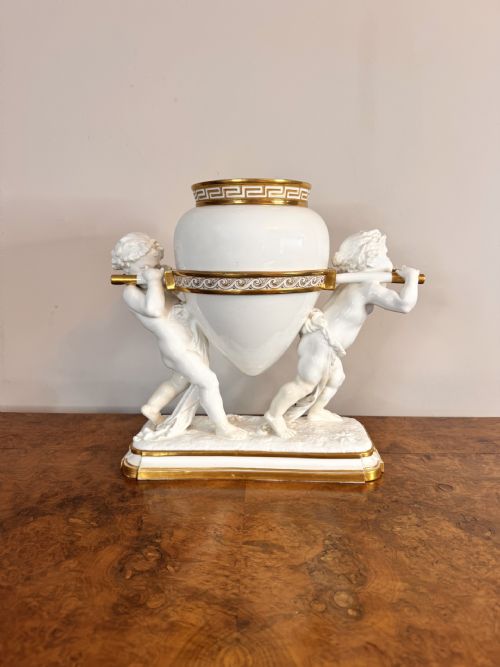
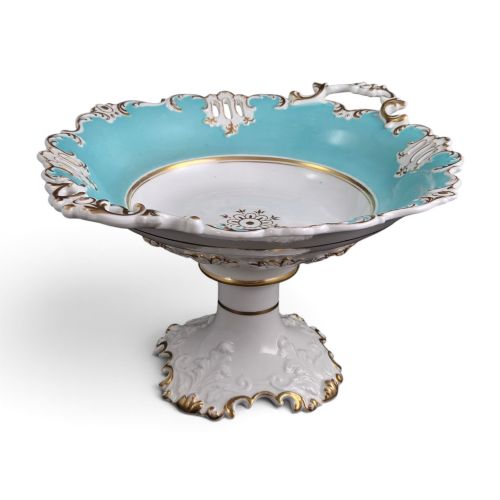
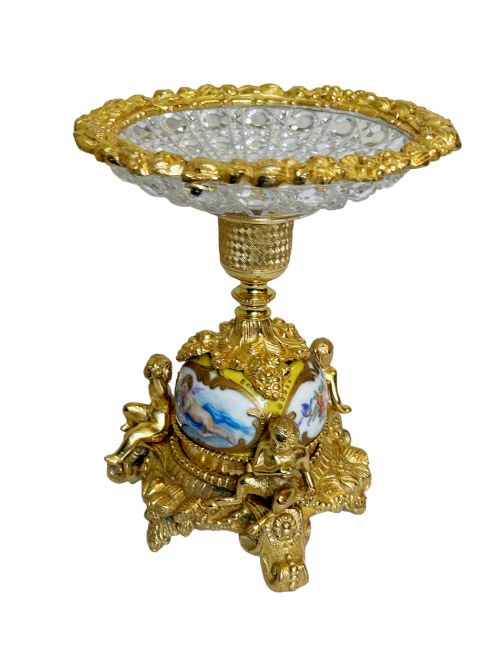
Common forms include tazzas, pedestal bowls, and figural centrepieces featuring cherubs or putti, originating from English and continental factories.
How they were made
Potters shaped paste bodies such as bone china or hard-paste porcelain, applying hand-painted enamels, transfer prints, and intricate coloured grounds before kiln firing.
Gilding was applied using gold leaf, liquid gold, or ormolu mounts in bronze, requiring additional firing or mechanical fixing to secure the metal to the ceramic surface.
Gilt Porcelain Compote Retail Price Guide 2026
Typical asking prices for gilt porcelain compote among the pieces listed under this phrase on Sellingantiques today, from the lower quarter to the upper quarter. They describe what is for sale here now, not the wider market.
Several pieces feature earnest little cherubs clinging precariously to shells and roses, seemingly exhausted by the weight of holding up the fruit.
What varies in quality
Quality rests in the crispness of the porcelain modelling, the fineness of hand-painted details such as flowers or figures, and the weight of the bronze or gilt mounts.
Superior examples display balanced proportions, intact gilding with minimal rubbing, and sophisticated enamel palettes rather than heavy, mass-produced transfer designs.
Coalport·Spode·Schierholz·Wedgwood·Swansea·Royal Worcester
The Gilt Porcelain Compote Glossary
- Comport
- A raised dish or bowl used for serving fruit or sweets at the table. It is often synonymous with a tazza or pedestal bowl.
- Ormolu
- Finely ground high-carat gold applied to a bronze base using a mercury amalgamation process. This technique gives mounts a distinctive warm lustre.
- Tazza
- A shallow bowl mounted on a stem and foot, originating from classical forms. These pieces often feature decorative handles or scalloped rims.
- Bone china
- A type of soft-paste porcelain containing bone ash, developed in England to create a durable, whiter body. It allowed for thinner walled vessels.
- Gilding
- The application of gold leaf or powder to ceramic or metallic surfaces. It highlights borders, handles, and painted motifs.
Gilt Porcelain Compote: Frequently Asked Questions
How were compotes used?
These vessels functioned primarily as table centrepieces for serving fruit, nuts, or sweetmeats during formal dining courses. They also served as decorative ornaments on sideboards and mantelpieces.
Larger compotes and tazzas created vertical focal points on the table, often accompanied by matching side dishes or garniture sets.
Are these pieces waterproof?
Most antique porcelain compotes can hold water for floral arrangements, provided there are no hairline cracks or structural damage. However, prolonged exposure to moisture can seep into unglazed bases or affect old repairs.
It is safer to use a hidden plastic liner if you intend to display fresh flowers inside the bowl.
How do I date a piece?
Dating relies on factory backstamps, ceramic body composition, and stylistic clues such as Rococo Revival curves or Edwardian floral painting. Comparing the glaze and gilding wear helps place the object in its correct period.
Handwritten pattern numbers and factory marks often narrow down production to a specific decade within the nineteenth or early twentieth century.