
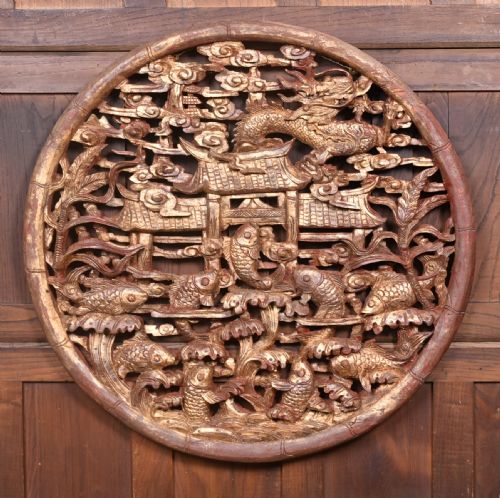


Gilt Painted Wooden Panel
A gilt painted wooden panel brings immediate texture and metallic warmth to a wall, bridging architecture and fine art through carved wood and gilded surface work.
Gilt Painted Wooden Panel
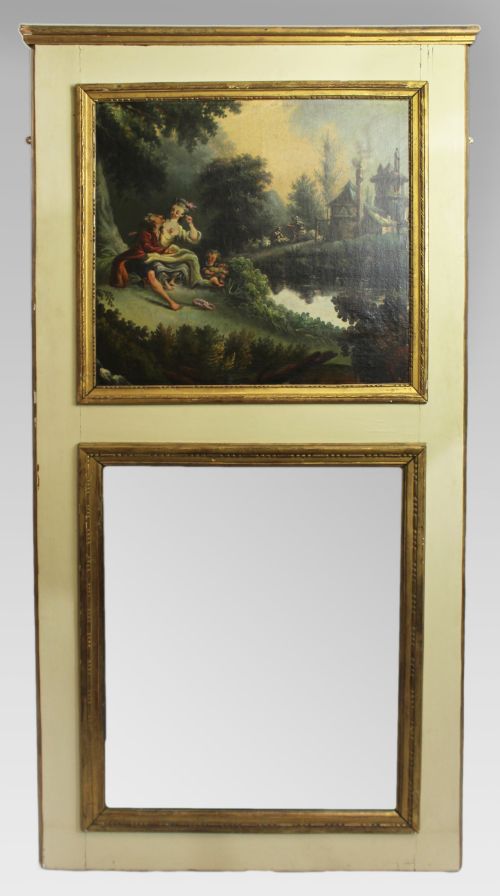
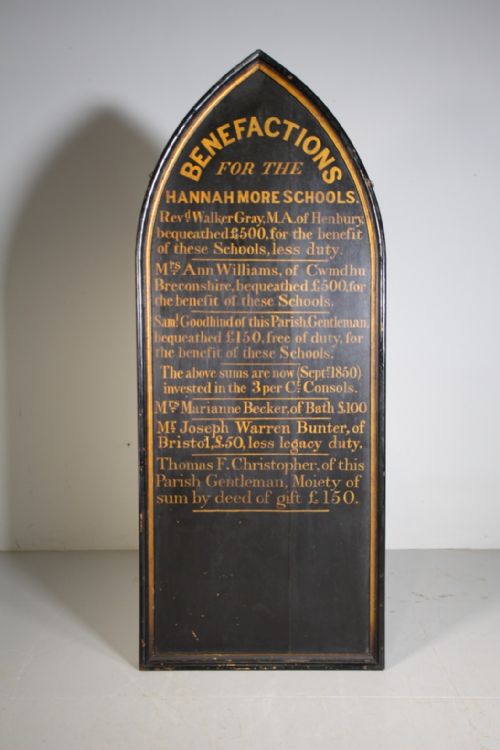
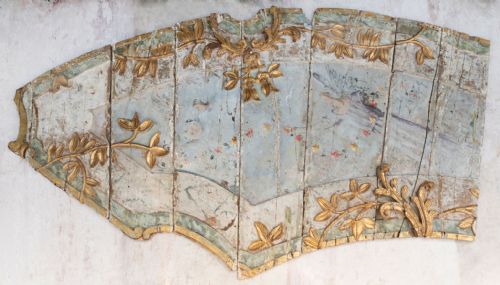
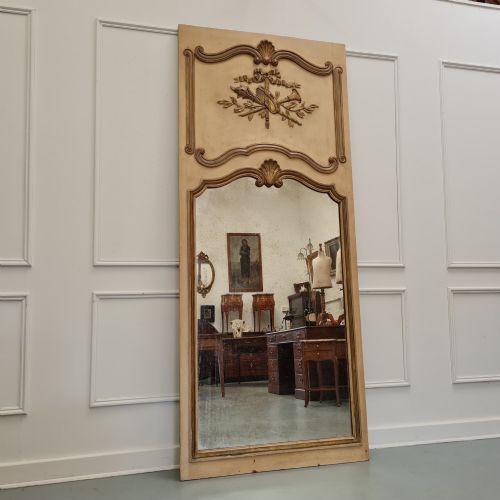
A gilt painted wooden panel encompasses architectural fragments, decorative signs, and framed artworks executed primarily on wooden supports. When seeking a gilt painted wooden panel, buyers encounter diverse forms ranging from French trumeau mirrors and Italian baroque fragments to fairground boards and religious icons.
The objects span multiple centuries, with seventeenth-century religious panels and eighteenth-century church works appearing alongside nineteenth-century French mirrors and twentieth-century fairground signs. These pieces originate from various cultural contexts, including British, French, Italian, Russian, Chinese, and Japanese traditions.
Wall art, folding screens, and architectural panels dominate the selection, each utilising wood as a canvas for applied gold leaf, metallic paint, and oil pigments. Every piece reflects its specific period of origin, from Victorian gothic interpretations to Italian rococo and Qing dynasty aesthetics.
Materials and construction methods
Makers built these pieces upon wooden supports, utilising solid timber panels, carved architectural elements, or framed boards. Wood serves as the foundational base across all examples, whether prepared for oil paintings, tempera icons, or decorative lacquer work.
Gilding techniques involve the application of gold leaf and metallic gilt to highlight carved details, frames, and background surfaces. This metallic layer combines with paint, tempera, or oil pigments to create the characteristic dual finish of gold and colour.
Specialised surface treatments include lacquer and glass integration, particularly in mirrors and folding screens. These protective and decorative layers preserve the underlying woodwork and painted imagery across centuries.
A fairground carousel board brings the eccentric energy of early twentieth-century amusement parks straight into a modern domestic interior.
Evaluating craftsmanship and condition
Quality rests in the execution of the painting and the finesse of the carving on the wooden substrate. Fine brushwork in oil or tempera and crisp relief work elevate individual pieces above standard decorative items.
The integrity of the surface materials determines distinction, noting how gold leaf and paint layers have aged together. Original gilding and untouched painted surfaces hold greater visual harmony than poorly executed later interventions.
Structural preservation of the timber support dictates longevity and authenticity. Panels that retain their original backing, stable joints, and honest historical repairs demonstrate superior heritage value.
Alfred John Bouchette·Volga Masters·Joseph Vickers de Ville
The Gilt Painted Wooden Panel Glossary
- Trumeau
- A decorative wall mirror or panel designed to fit the space between two windows or above a fireplace. These French pieces frequently incorporate an oil painting above the looking glass.
- Icon
- A religious work of art, typically painted in tempera on wood with gold leaf or silver elements. These sacred panels originate primarily from Orthodox Christian traditions.
- Gilding
- The application of fine gold leaf or powder to a surface. This technique illuminates carved details and architectural woodwork.
- Tempera
- A permanent, fast-drying painting medium consisting of coloured pigments mixed with a water-binder such as egg yolk. It provides the matte surface seen on early wooden panels and icons.
- Lacquer
- A clear or coloured varnish applied to wood in resinous layers. Japanese and Chinese export panels utilise this technique for smooth, durable decorative surfaces.
Gilt Painted Wooden Panel: Frequently Asked Questions
Where should I hang a wooden panel?
These panels suit prominent wall spaces in living rooms, hallways, or above mantelpieces where their tactile surfaces and metallic leaf catch the light. Their varied formats allow them to function independently as art or integrate into existing architectural arrangements.
Consider the scale of the piece relative to surrounding furniture to ensure proper visual balance. Wall mirrors and tall trumeau panels work particularly well in rooms requiring vertical emphasis.
How do I care for gilded wood?
Maintain gilded and painted wooden surfaces by dusting gently with a soft, dry cloth without chemical polishes. Keep panels away from direct sunlight, radiators, and damp environments to protect the wood and metallic leaf.
Environmental stability prevents the timber from warping and safeguards delicate paint layers. Professional conservation is recommended for any structural stabilization.
How do I date an antique panel?
Dating relies on examining the construction of the wooden support, the type of gesso and preparation layers, and the chemical composition of the paint. Stylistic markers from periods such as the seventeenth, eighteenth, or nineteenth centuries provide primary chronological clues.
Tool marks on the back of the wood and the formulation of the gilding further indicate the manufacturing era. Comparing construction methods with documented pieces clarifies the timeline.
What is the difference between an icon and a decorative panel?
Icons serve a specific devotional function within religious traditions, painted according to strict iconographic canons using tempera on wood with gold or silver leaf. They carry spiritual significance alongside their artistic execution.
Decorative panels encompass secular works such as fairground signs, architectural fragments, and trumeau mirrors designed primarily for interior ornamentation. Their imagery reflects decorative styles rather than liturgical requirements.