
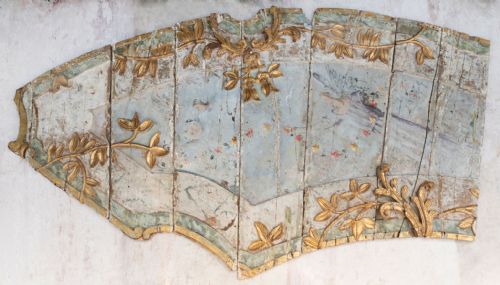


Polychrome Carved Wall Panel
A polychrome carved wall panel brings depth and intense colour to a room, drawing the eye instantly to centuries of craftsmanship.
Polychrome Carved Wall Panel
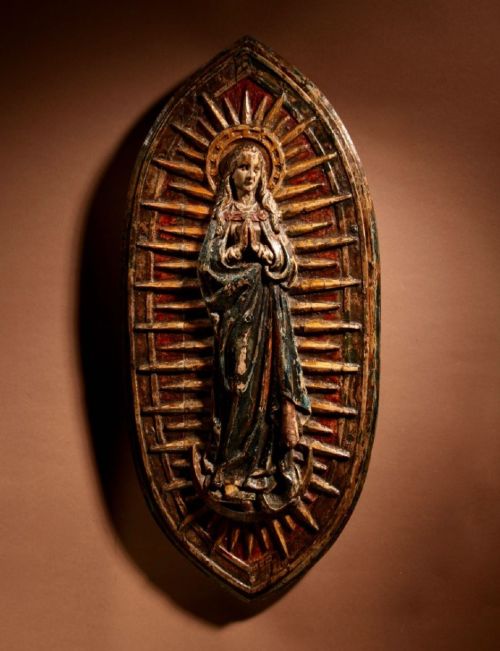
A polychrome carved wall panel is a sculptural architectural element designed to hang flat against a wall, combining intricate timber carving with applied pigment. These pieces range from medieval altarpiece fragments and Italian Baroque reliefs to English fairground carousel panels and Chinese export lacquer work.
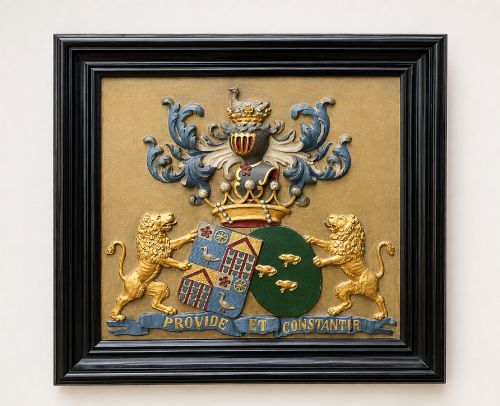
The selections span numerous periods, notably the sixteenth, seventeenth, eighteenth, and nineteenth centuries, alongside early twentieth-century examples. Buyers encounter diverse regional traditions, including Dutch heraldic plaques, African marriage figures, and Chinese Qing Dynasty woodwork.
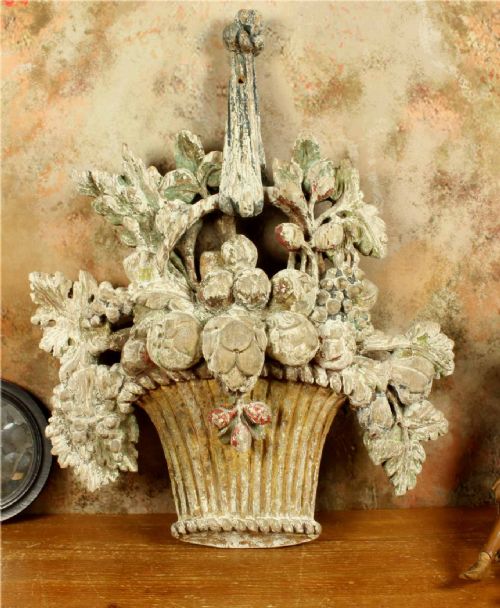
Forms vary significantly, encompassing wall plaques, architectural salvage, and larger wall reliefs. Most items serve as decorative wall art, bringing historical narrative and vibrant colour into domestic interiors.
What varies in quality
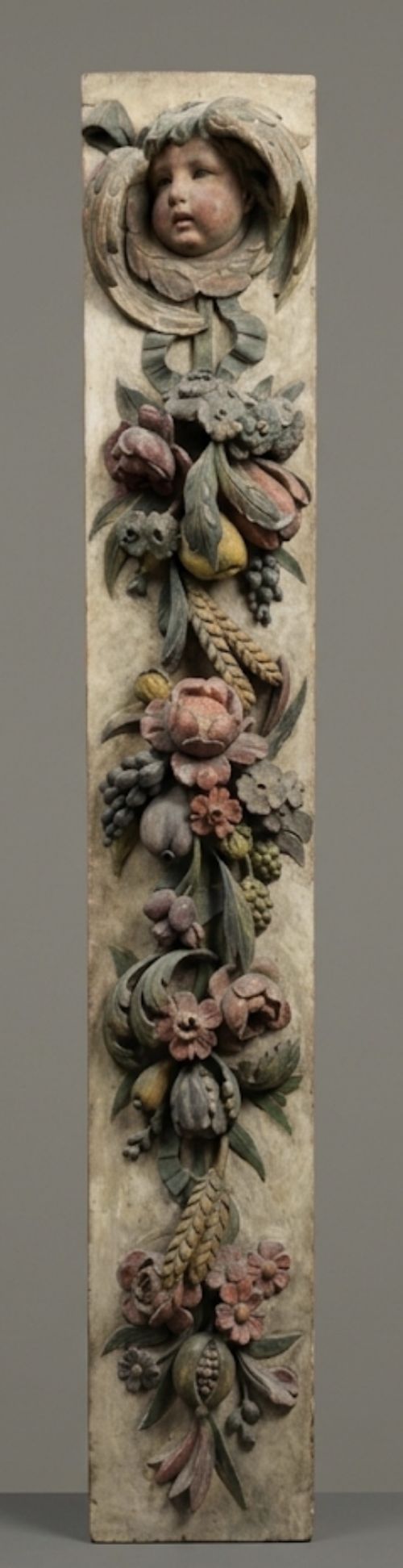
Quality rests principally in the depth and dexterity of the carving, where confident chisel work separates master carvers from routine workshops. The crispness of the underlying gesso and the preservation of the original polychrome surface dictate visual impact.
The integrity of the timber substrate and the retention of authentic period pigments drive the distinction between ordinary architectural remnants and exceptional decorative art. Patina accumulated through age enhances the surface, provided the early paint layers remain largely undisturbed.
Listings feature items spanning the sixteenth to the twentieth centuries, utilising wood, gold leaf, gesso, and paint across various global traditions.
The Polychrome Carved Wall Panel Glossary
- Polychrome
- Decorated in multiple colours. This term describes surfaces painted or glazed in various hues, often found on historic wooden sculptures and architectural reliefs.
- Gesso
- A plaster mix applied to wood as a smooth base for painting and gilding. Artisans used this ground layer to prepare panels for intricate colour work.
- Heraldic
- Relating to coats of arms and genealogy. Heraldic panels display family crests, often commemorating marriages or significant lineage.
- Relief
- Sculpture where figures project from a flat background. Carved wall panels rely on high or low relief to create theatrical depth.
- Coromandel
- Chinese carved lacquer work featuring dark grounds incised to reveal coloured layers. This technique inspired many nineteenth-century decorative panels.
Polychrome Carved Wall Panel: Frequently Asked Questions
How do I hang a heavy wooden wall panel safely?
These solid timber panels require robust wall fixings anchored directly into masonry or secure studwork. Professional mirror plates or concealed French cleats distribute the substantial weight safely across the structure.
Avoid relying on simple picture wire for heavier architectural salvage or thick relief carvings. Ensuring proper load-bearing support protects both the wall and the fragile historic wood.
How can I tell a nineteenth-century panel from an earlier piece?
Examine the tool marks left by the carver, as hand chisels on sixteenth or seventeenth-century timber differ noticeably from later mechanical aids. Wood shrinkage, natural oxidation, and the composition of the underlying gesso offer further clues to age.
Stylistic cues such as Baroque motifs or medieval iconography provide context, though nineteenth-century workshops frequently copied earlier aesthetics. Comparing construction joints and pigment chemistry helps clarify the true period.
Where do fairground panels fit into wall decor?
Fairground carousel and ride panels bring bold, folk-art energy and bright colour to contemporary interiors. These nineteenth and early twentieth-century pieces act as vibrant focal points in modern living spaces.
Their robust construction and playful subjects contrast well with minimalist architectural backdrops. Positioning them at eye level allows the detailed brushwork and dynamic carving to take centre stage.