


Gilt Mounted Bijouterie
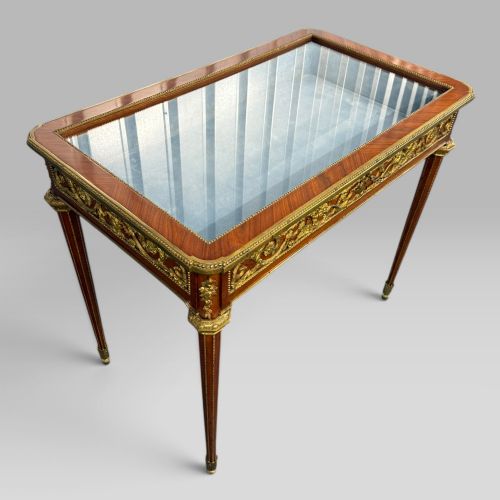
These gilt mounted bijouterie pieces bring French revival elegance into a room, offering glass-topped display surfaces designed to showcase small treasures.
Gilt Mounted Bijouterie
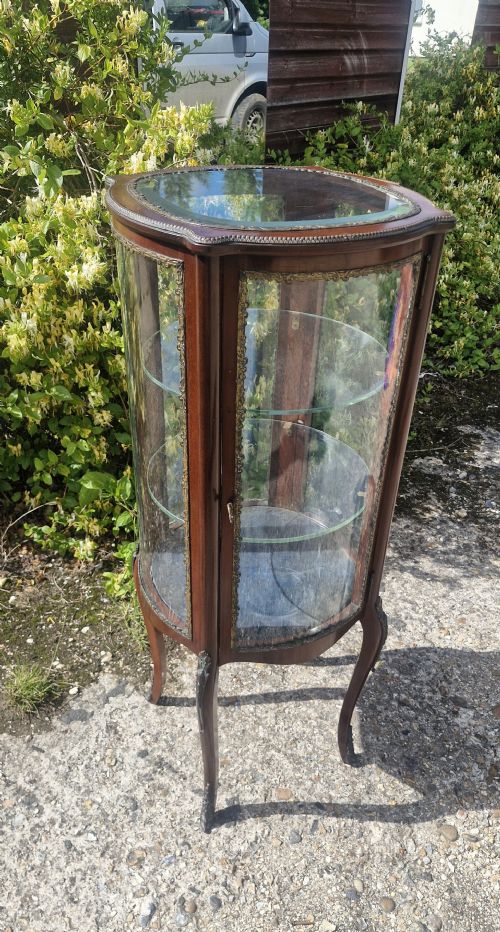
When you search for gilt mounted bijouterie, you encounter specialised display furniture designed to exhibit small decorative objects, medals, and curiosities. These pieces include freestanding bijouterie tables, display cabinets, and vitrines originating from the nineteenth century through to the Edwardian period and mid-twentieth century.
The versions you are most likely to meet on this page favour French revival aesthetics, particularly Louis XV and Louis XVI styles. They combine glazed panels with polished timbers such as mahogany, walnut, and kingwood.
Makers drew heavily on eighteenth-century French design vocabulary, occasionally working after notable cabinetmakers like François Linke. The resulting forms serve as both functional vitrines and decorative centrepieces for reception rooms.
How they were made
Cabinetmakers constructed the carcases of these pieces using dense hardwoods like mahogany and kingwood, frequently applying veneers over secondary timbers. Selected examples feature shaped heart-shaped tops or glazed display wells designed to catch the light from multiple angles.
Mounts in ormolu, gilt bronze, and gilt metal were cast and chased separately before being applied to the timber frames. These metal enrichments define the structural corners, aprons, and legs, echoing neoclassical and rococo revival motifs.
Several pieces preserve their original plush velvet linings, still waiting to cradle nineteenth-century trinkets.
What varies in quality
Quality rests upon the crispness of the cast metal mounts and the selection of cabinet timbers. Finer pieces display finely chased ormolu with sharp definition, whereas simpler items utilise lighter gilt metal mounts.
The choice of wood veneer and the precision of the joinery distinguish standard production from exceptional cabinetwork. Tables attributed to prominent workshops demonstrate superior proportion, heavier gauge bronze, and interior linings of high-grade velvet.
François Linke
The Gilt Mounted Bijouterie Glossary
- Bijouterie
- Small decorative items and trinkets. In furniture terms, it refers to tables and cabinets built specifically to display such objects.
- Ormolu
- Gilded bronze. This material provides the bright golden decorative mounts found on the corners and legs of French revival furniture.
- Kingwood
- A dense, heavily figured Brazilian timber. Cabinetmakers used its rich grain patterns for veneering high-end nineteenth-century display tables.
- Vitrine
- A glass-sided cabinet or display case. These pieces protect delicate collections from dust while allowing all-round visibility.
Gilt Mounted Bijouterie: Frequently Asked Questions
What is a bijouterie table?
A bijouterie table is a specialised display piece featuring a glazed top and sides. It was created in the nineteenth century for the salon or boudoir to exhibit personal treasures.
The glass lid lifts or opens to allow the arrangement of medals, miniatures, and small ornaments within a velvet-lined interior.
How do I date these cabinets?
Dating relies on combining timber analysis with the style of the metal mounts. Nineteenth-century examples often display deep ormolu casting and heavy mahogany or kingwood carcases.
Edwardian and later twentieth-century iterations typically employ lighter construction methods and simpler gilt metal fittings while imitating earlier French revival forms.
Where should I place one?
These display pieces suit reception rooms, drawing rooms, or hallways where they can function as central focal points. Their glass tops invite closer inspection from standing visitors.
Keep them away from direct sunlight to protect interior velvet linings and sensitive organic materials housed inside.
What is the difference between ormolu and gilt metal?
Ormolu consists of finely chased and gold-gilded bronze, which yields a warm, deep metallic lustre. It represents the standard for high-end nineteenth-century cabinetwork.
Gilt metal refers to base metals with a surface wash of gold tone, appearing on lighter or later pieces of furniture.