


Gilt Metal Portrait Frame
These gilt metal portrait frame examples house delicate watercolours and oils behind glass, offering a glimpse into past centuries.
Gilt Metal Portrait Frame
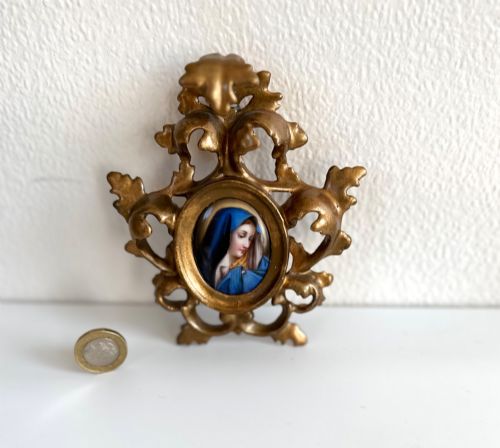
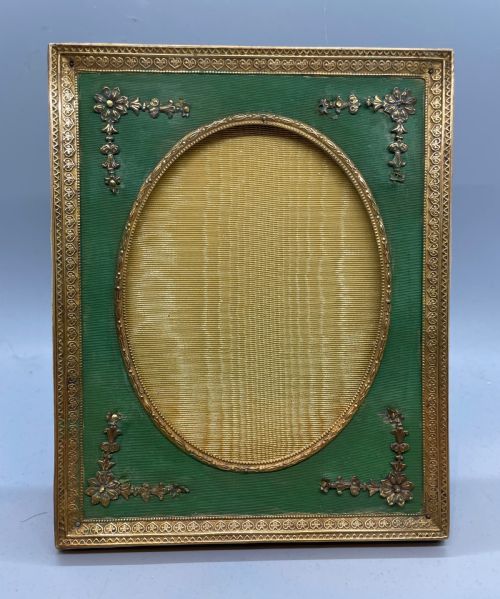
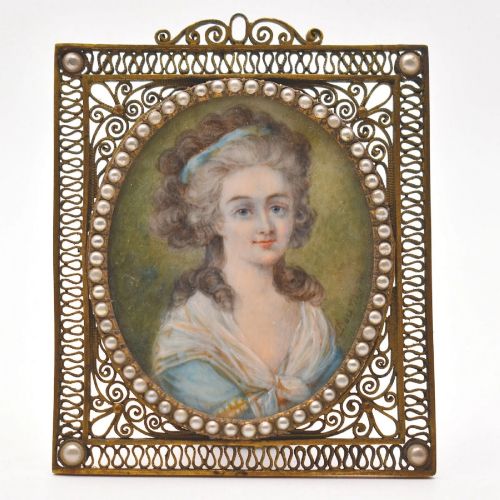
A gilt metal portrait frame encloses small paintings, watercolours, or prints depicting individuals from historical eras. When exploring this selection, buyers encounter pieces primarily originating from the eighteenth and nineteenth centuries, including Victorian, Georgian, and Edwardian periods.
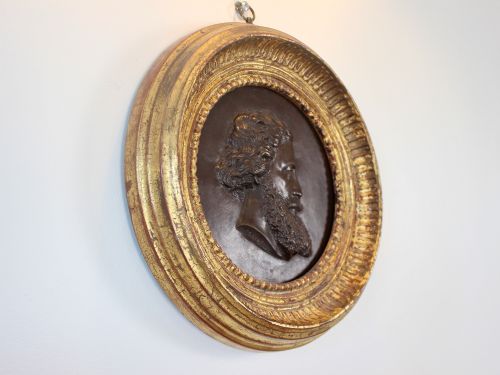
The objects take various forms, appearing as standalone picture frames, miniature paintings, wall plaques, and double photo frames. Many incorporate stands or suspension loops designed for desktop display or wall mounting.
French influences dominate the selection, with styles spanning French Rococo, French Chateau, and Victorian Rococo Revival alongside traditional Georgian and Regency designs. These pieces often house hand-painted portraits on paper, card, or ivory substitutes.
Materials and construction methods
The structural framework relies on cast and chased metals, specifically gilt metal, brass, bronze, ormolu, and occasionally giltwood. Artisans shaped these metallic components to display decorative motifs, sometimes embellishing the borders with paste stones, seed pearls, or damask backing.
Glass protects the delicate artwork contained within, which typically consists of watercolour, gouache, oil, or printed matter on paper or silk. The combination of heavy cast metal surrounds and fragile internal painted surfaces defines the physical construction of these items.
Listings span the eighteenth, nineteenth, and early twentieth centuries, incorporating Georgian, Victorian, and Edwardian periods.
Factors determining quality
The refinement of the metalwork separates standard production from superior pieces, particularly in the crispness of chased ormolu and bronze details. Hand-finished frames with intricate casting show greater artisanal skill than mass-produced alternatives.
The artistry of the enclosed portrait dictates overall value and desirability. Skilled brushwork by documented painters demonstrates a higher tier of craftsmanship compared to anonymous decorative prints or simpler works.
Dumont·MAINFROY·William Naish·Henry Jacob Burch·Emma Kendrick·Diana Hill
The Gilt Metal Portrait Frame Glossary
- Ormolu
- A gilded bronze or brass finish applied to metalwork. This technique creates a rich gold appearance popular in French decorative arts.
- Gouache
- An opaque watercolour medium used by artists for miniature paintings. It provides dense colour saturation on paper or card.
- Miniature painting
- A small-scale artwork requiring fine detail and precision. These pieces are typically housed within protective metal surrounds.
- Paste stone
- Faceted glass used to simulate gemstones in decorative metal settings. It adds sparkle to period frames.
- Gilt metal
- Base metal treated with a gold-coloured finish or plating. It offers the visual appeal of solid gold at a different scale of cost.
Gilt Metal Portrait Frame: Frequently Asked Questions
How were these frames displayed originally?
Many frames were manufactured with integral metal stands for placement on dressing tables or writing desks. Others featured small loops for hanging securely on parlour walls.
Portable examples allowed owners to carry likenesses of family members during travel. This dual functionality shaped their physical design.
What subjects typically appear inside?
Portraits of gentlemen, ladies in lace, naval officers, and children dominate the painted subjects. Biblical scenes, such as depictions of the Madonna, also occur.
Some items house decorative bird studies rather than human portraits. These painted scenes reflect the personal tastes of past commissioners.
How do I distinguish between periods?
Georgian and Regency examples tend to feature restrained profiles and simpler bezels around the artwork. Later Victorian and Edwardian items often display ornate revival styles involving elaborate casting.
Examining the fastening mechanisms and backing materials helps confirm the era of manufacture. Structural details evolved significantly between the eighteenth and twentieth centuries.
Are these items suitable for everyday use?
These pieces require careful handling due to their delicate glass and fragile painted contents. Placing them away from direct sunlight preserves the watercolours and pigments.
They function best as stationary decorative objects in secure locations. Regular dusting with a soft brush maintains the metal finish without causing damage.