



Antique Ivory Miniature
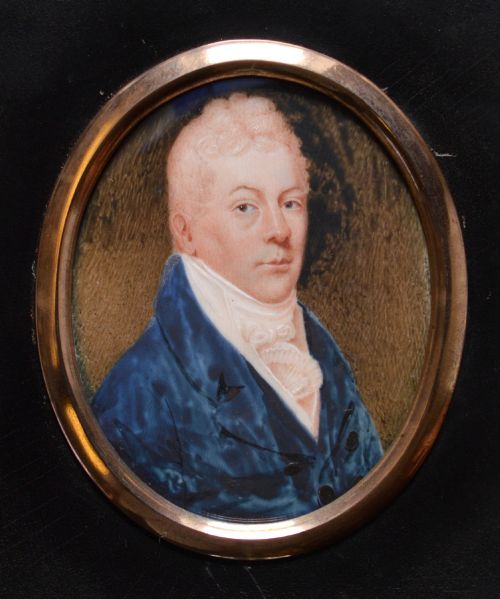
An antique ivory miniature captures a distinct likeness in miniature compass, prized for its delicate handling and personal scale.
Antique Ivory Miniature
When you search for an antique ivory miniature, you encounter small portraits, carved panels, pendants, and netsuke originating across the eighteenth and nineteenth centuries. These portable works include Georgian and Regency portrait miniatures painted in watercolour, alongside carved regional panels and figures.
The pieces on this page span diverse cultural traditions, ranging from English and French portraiture to Meiji-era Japanese carving and Indian traditional work. Most commonly, you meet framed portrait miniatures of gentlemen, ladies, and officers executed on thin supports.
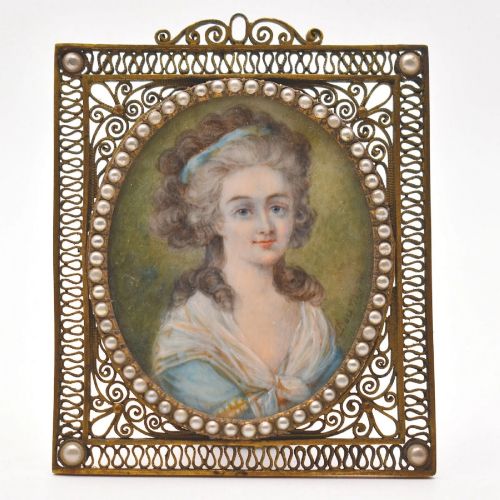
Framing varies considerably among these items, with makers enclosing works in gold, gilt metal, ebonised wood, and glass-fronted pendants designed for wear or intimate display. Some survive from Grand Tour travels, while others record specific family lineages.
Materials and construction
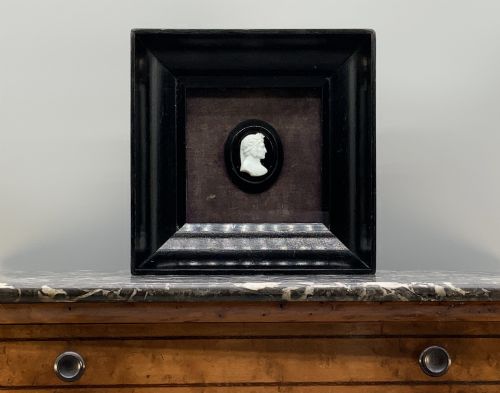
Workers mounted these painted panels within protective surrounds of gold, gilt metal, and glass, or carved them entirely from solid material as seen in netsuke and relief plaques. Ebonised wood frames often provided a contrasting dark border to highlight the pale tone of the ivory.
Listings feature works spanning the eighteenth and nineteenth centuries, incorporating both painted portraits on ivory and carved sculptural forms.
Judging quality and execution
The skill of the limner or carver dictates the standing of each piece, evident in the lifelike rendering of expression, anatomy, and drapery. Finer portraiture displays meticulous control of watercolour washes and pigment density upon the ivory.
The original housing also influences the character of the object, as substantial gold or detailed seed pearl frames indicate higher-status commissions. Preserved surface integrity and crispness in carved panels separate superior examples from more routine workshop output.
Charles Hayter·Frederick Buck·Nicolas Freese·George Engleheart·Archibald Skirving·William Grimaldi·Henry Jacob Burch·Edward Pugh·Samuel Cotes·Jeremiah Steele
The Antique Ivory Miniature Glossary
- Watercolour on Ivory
- A painting technique where water-based pigments are applied to a thin slice of elephant tusk. This method provides a luminous, translucent ground that enhances flesh tones.
- Netsuke
- A small carved toggle used in traditional Japanese dress to secure small pouches. These miniature sculptures are frequently carved from ivory with intricate detail.
- Pendant
- A piece of jewellery designed to hang from a neck chain or ribbon. Many portrait miniatures were mounted as pendants to be worn close to the heart.
- Grand Tour
- A cultural journey of Europe undertaken by young upper-class Europeans in the eighteenth and nineteenth centuries. Travellers often acquired carved plaques and small art objects as souvenirs.
- Ebonised Wood
- Timber treated to resemble ebony, providing a deep black finish. It is commonly found on frames surrounding nineteenth-century portrait miniatures.
Antique Ivory Miniature: Frequently Asked Questions
How were portrait miniatures worn?
People wore these small portraits as pendants, pinned them to clothing, or kept them hidden inside pocket watches and lidded cases. They served as private tokens of affection or memorials.
Owners often carried them during travel or kept them on dressing tables for daily contemplation.
What is a Grand Tour plaque?
A Grand Tour plaque is a small carved ivory panel collected by travellers visiting cultural centres in Europe during the eighteenth and nineteenth centuries. These carvings typically depict classical figures or historical scenes.
They functioned as portable art objects that demonstrated the owner's education and refined taste.
How do I care for antique ivory?
Keep these items away from direct sunlight, extreme heat, and sudden changes in humidity to prevent warping or splitting. Stable indoor conditions protect both the delicate ivory substrate and any watercolour painting.
Handle pieces by their frames rather than the painted or carved surfaces to avoid transferring oils from your skin.
How do I date a miniature?
Examine the costume, hair styling, and framing materials, as these details shifted noticeably between the Georgian and Regency periods. Signatures or inscriptions on the reverse also help identify the artist and timeframe.
Stylistic conventions in watercolour technique often align closely with specific decades of production.