


Gilt Metal Figurines
These gilt metal figurines bring domestic display pieces and desk ornaments spanning multiple centuries from the nineteenth onward.
Gilt Metal Figurines
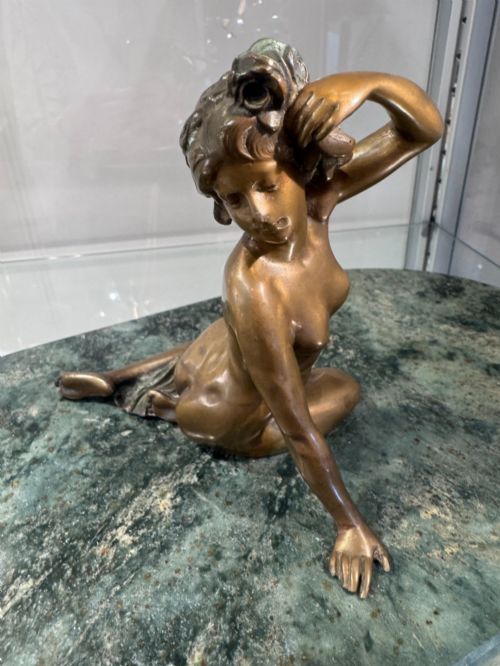
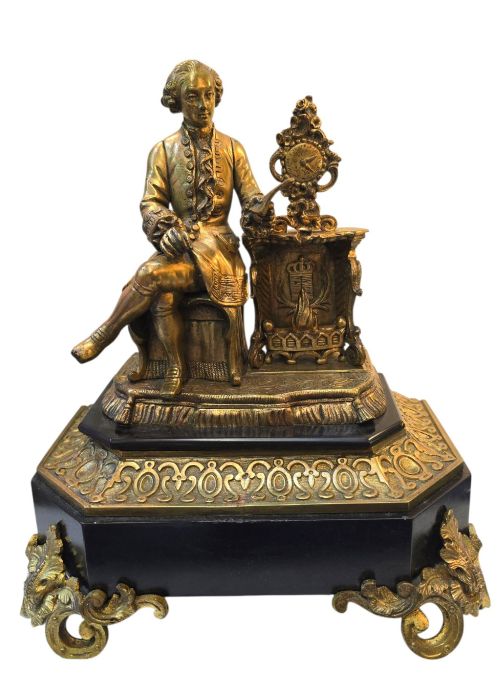
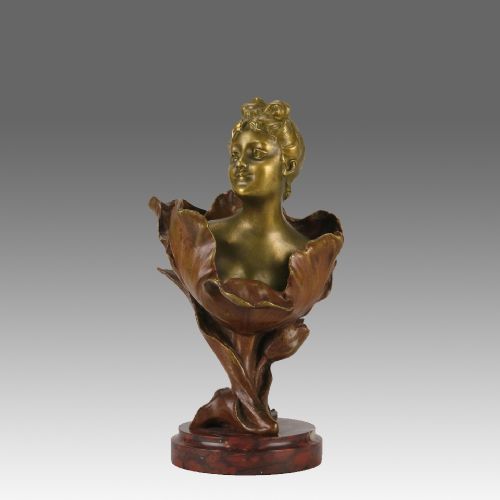
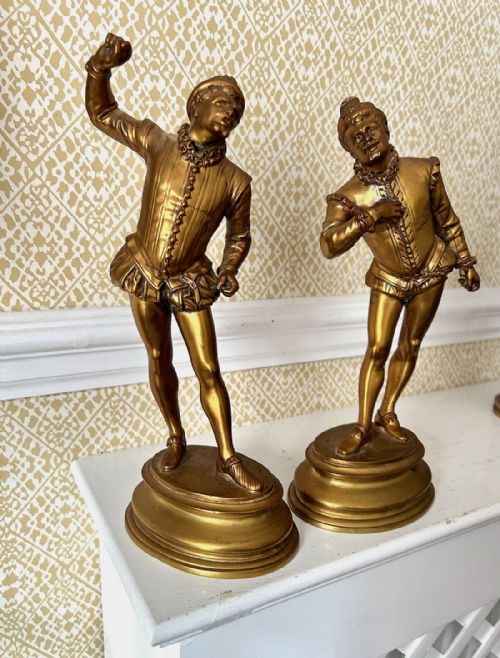
Gilt metal figurines encompass small decorative sculptures and statuettes cast in various copper alloys and finished with gold surface treatments. Buyers examining this category encounter items ranging from nineteenth-century French figures and Grand Tour souvenirs to Art Nouveau and Art Deco subjects. The selection includes human subjects, animals, mythological figures, and architectural details.
The nineteenth century provides a large share of the available objects, often associated with French foundry production and revival styles such as the Neoclassical, Egyptian, and Gothic movements. Earlier examples such as sixteenth-century figures appear alongside twentieth-century car mascots, desk sets, and cold-painted studies. Pieces frequently incorporate bases of contrasting materials like marble to elevate the statuette.
Materials and methods
Makers utilised casting techniques in bronze, brass, spelter, and cold-painted metal to form the core structure of each figurine. Molten metal poured into moulds captured fine details of drapery, expression, and texture before cooling into solid statuettes.
Surface enhancement relied on gilding methods, including fire gilding with mercury and gold amalgam, as well as ormolu finishes to impart a bright golden sheen. Cold painting was also applied directly to metal surfaces for polychrome decorative effects on specific twentieth-century studies.
Periods represented span from the sixteenth century through the Victorian, Edwardian, Art Nouveau, and Art Deco eras.
Qualities of distinction
The application and retention of the gilt surface layer determine visual depth and durability across the piece. Examples with intact mercury gilding or ormolu display a rich, warm lustre that lesser painted or degraded finishes lack.
Pierre-Augustin Caron de Beaumarchais·Henri Godet·Emile-Coriolan Guillemin·Eurotrope Bouret·Jennings Brothers·Jean Jacques Pradier·Charlotte Monginot·Jose Dunach
The Gilt Metal Figurines Glossary
- Ormolu
- Finely ground high-carat gold applied to a bronze base using a mercury amalgamation technique. This historic process produces a durable, luminous golden finish characteristic of French decorative arts.
- Spelter
- A zinc-based alloy frequently utilised as a cost-effective substitute for bronze in nineteenth-century decorative metalwork. It accepts patination and gilding but possesses a lighter weight and softer structural density than bronze.
- Cold painted
- A decorative technique where paint is applied to metal objects without subsequent high-temperature firing. This method appears frequently on twentieth-century animal and human studies for realistic coloration.
- Grand Tour
- Souvenirs purchased by travellers visiting cultural sites in Italy and Europe during the eighteenth and nineteenth centuries. These miniature bronzes replicate classical antiquities and mythological subjects.
- Shabti
- Small funerary figures placed in ancient Egyptian tombs to serve the deceased in the afterlife. Later revival examples emulate the stone or metal composition of original burial items.
Gilt Metal Figurines: Frequently Asked Questions
How do I clean gilt metal?
Dust surfaces gently using a soft, dry brush to prevent accumulation in recessed crevices.
Avoid liquid cleaners, chemical solvents, or abrasive cloths that can strip the delicate gold layer from the underlying metal.
What is the difference between bronze and spelter?
Bronze is a robust copper alloy that takes fine casting details and heavy patination.
Spelter is a softer zinc alloy that feels lighter in the hand and requires careful handling to prevent structural bending.
Are these figures solid metal?
Many statuettes are cast using hollow techniques to conserve metal and reduce overall weight.
Larger or higher-quality sculptures may include added internal support or heavy mounting bases for stability.
How do I identify French revival pieces?
French nineteenth-century works often draw inspiration from classical antiquity, Renaissance motifs, or Egyptian themes.
Foundry marks, signatures on the base, and distinctive mercury gilding provide clues to their origin.