



Gilt Metal Figure Sculpture
These gilt metal figure sculpture works range from deities and classical figures to animals, shaped in bronze, brass, and ormolu.
Gilt Metal Figure Sculpture
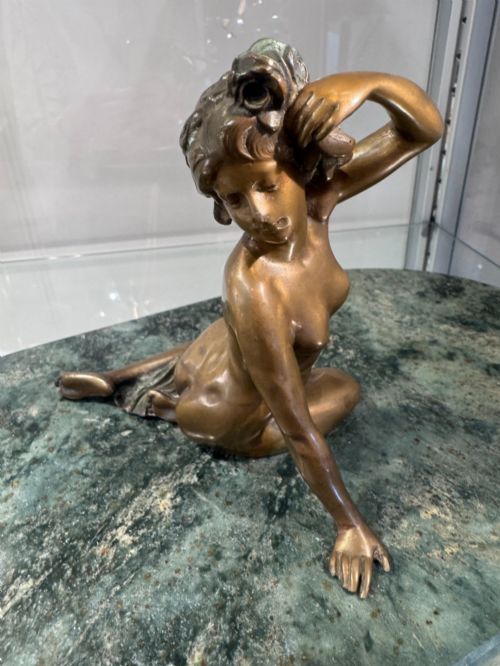
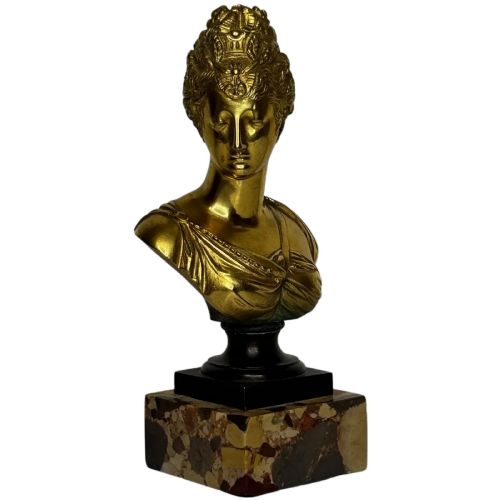
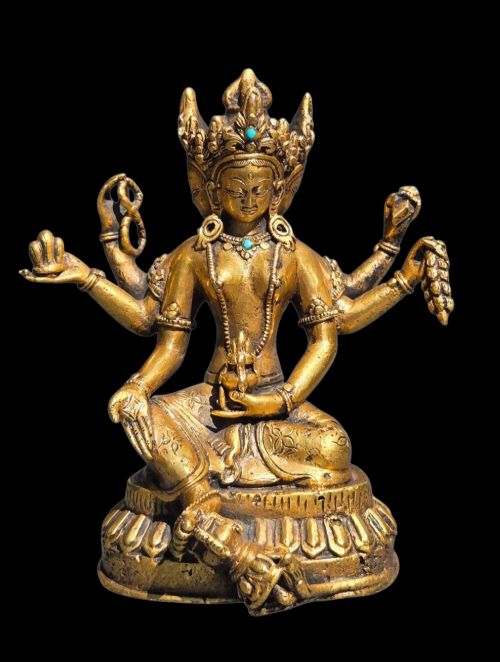
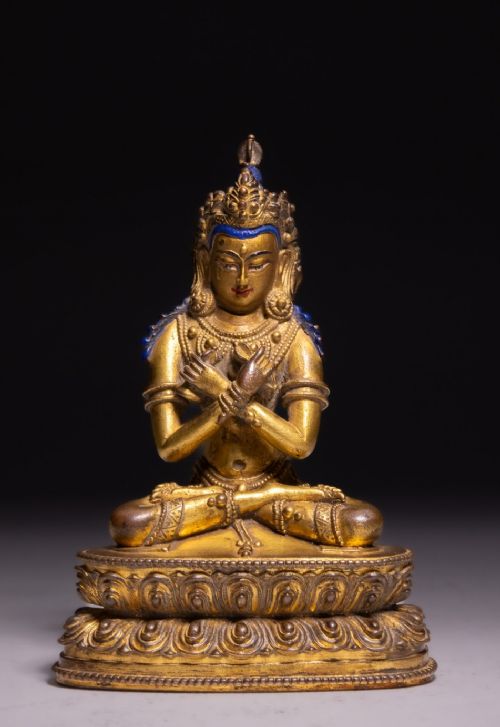
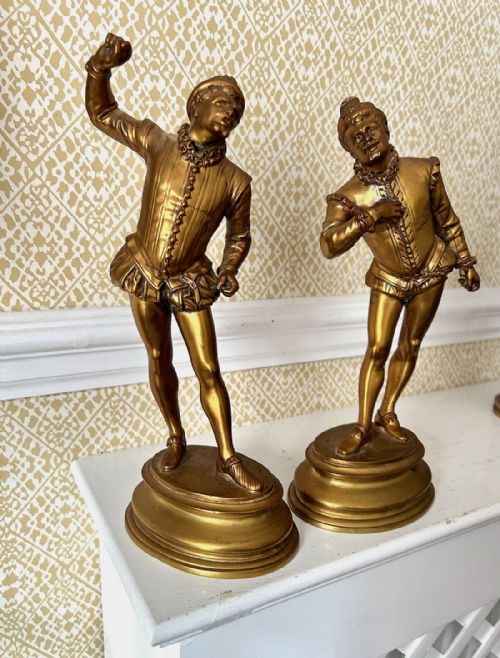
A gilt metal figure sculpture brings together three-dimensional form and a golden surface, spanning periods from the sixteenth century through the art deco era. Buyers searching for gilt metal figure sculpture encounter diverse cultural expressions, including Sino-Tibetan deities, French nineteenth-century dancers, Egyptian Revival sphinxes, and classical Grand Tour souvenirs. These pieces manifest as busts, statuettes, pairs of animals, and multi-figure reliefs.
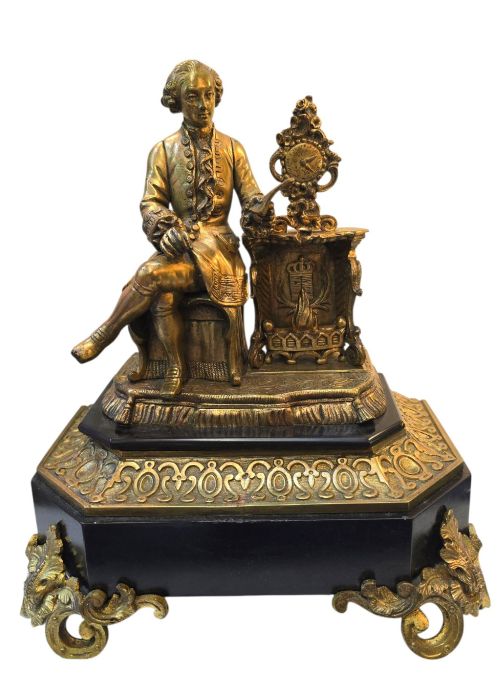
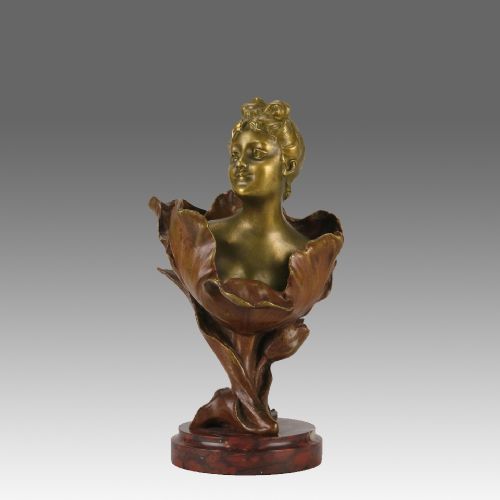
French nineteenth-century works and turn-of-the-century Continental pieces dominate the available selection, frequently pairing cast metal with marble plinths or wood bases. Alongside European foundry productions, Asian Buddhist figures and Chinese horses appear regularly. The forms scale from small cabinet statuettes to substantial temple lions and pair arrangements.
Materials and casting methods
Foundries utilised bronze, brass, spelter, and ormolu, applying gilding to create rich metallic surfaces that often highlight detailed garments or feathers. Many items integrate secondary materials, mounting figures on marble plinths or olive wood bases, and occasionally incorporating turquoise inlays or pigment.
A golden pheasant manages to look dignified while frozen mid-strut in cast metal.
Judging the work
The integration of the base material, whether veined marble or turned olive wood, distinguishes standard production from more resolved display pieces. Weight, structural balance, and the subtlety of cold painted or inlaid additions separate standard foundry output from finer artistic commissions.
Pierre-Augustin Caron de Beaumarchais·Henri Godet·Emile-Coriolan Guillemin·Jennings Brothers·Jean Jacques Pradier·Charlotte Monginot
The Gilt Metal Figure Sculpture Glossary
- Gilt bronze
- Metal cast in bronze and treated with a gold leaf or mercury gilding layer. This technique protects the underlying metal while producing a warm reflective finish.
- Ormolu
- Finely ground high-carat gold applied to a bronze base using a mercury amalgamation process. The method creates a durable golden coating seen on decorative objects.
- Spelter
- An alloy based on zinc that mimics bronze more affordably. Makers utilised it widely for nineteenth- and twentieth-century figures.
- Grand Tour
- Souvenirs collected by travellers visiting classical antiquities in Europe. These small bronzes replicated ancient statues for domestic display.
- Cold painted
- Paint applied to a bronze object without subsequent firing or heat curing. This method allows for subtle multi-coloured detailing on garments and natural subjects.
Gilt Metal Figure Sculpture: Frequently Asked Questions
What metals are used in these sculptures?
Makers cast these pieces in bronze, brass, and spelter, often applying a gilt surface finish to the metal. Some items also incorporate ormolu, combining different metallic alloys for contrast.
Secondary materials such as marble plinths and olive wood bases frequently support the metal figures.
How do I identify the period of a piece?
Stylistic indicators like Art Nouveau curves, Egyptian Revival motifs, or Neoclassical drapery point toward specific decades of manufacture. Foundry marks, signatures on the base, and the choice of mounting materials also help establish the date.
Nineteenth-century pieces often display distinct patination and heavy cast construction compared to later twentieth-century productions.
Where were these sculptures made?
The listings include works originating from French foundries, Italian workshops, and American studios, alongside Asian pieces from Tibetan and Chinese traditions. European makers produced many classical and romantic subjects locally.
Imported religious and decorative figures reflect distinct regional casting traditions in Asia.
How should I care for gilt metal?
Dust the surface gently with a soft, dry cloth to prevent accumulation without disturbing the gilt layer. Avoid abrasive cleaners, polishes, or moisture that can damage the metallic finish.
Keeping the sculpture in a stable environment away from direct humidity protects both the metal and any attached marble or wood bases.