





Gilt Metal Clock
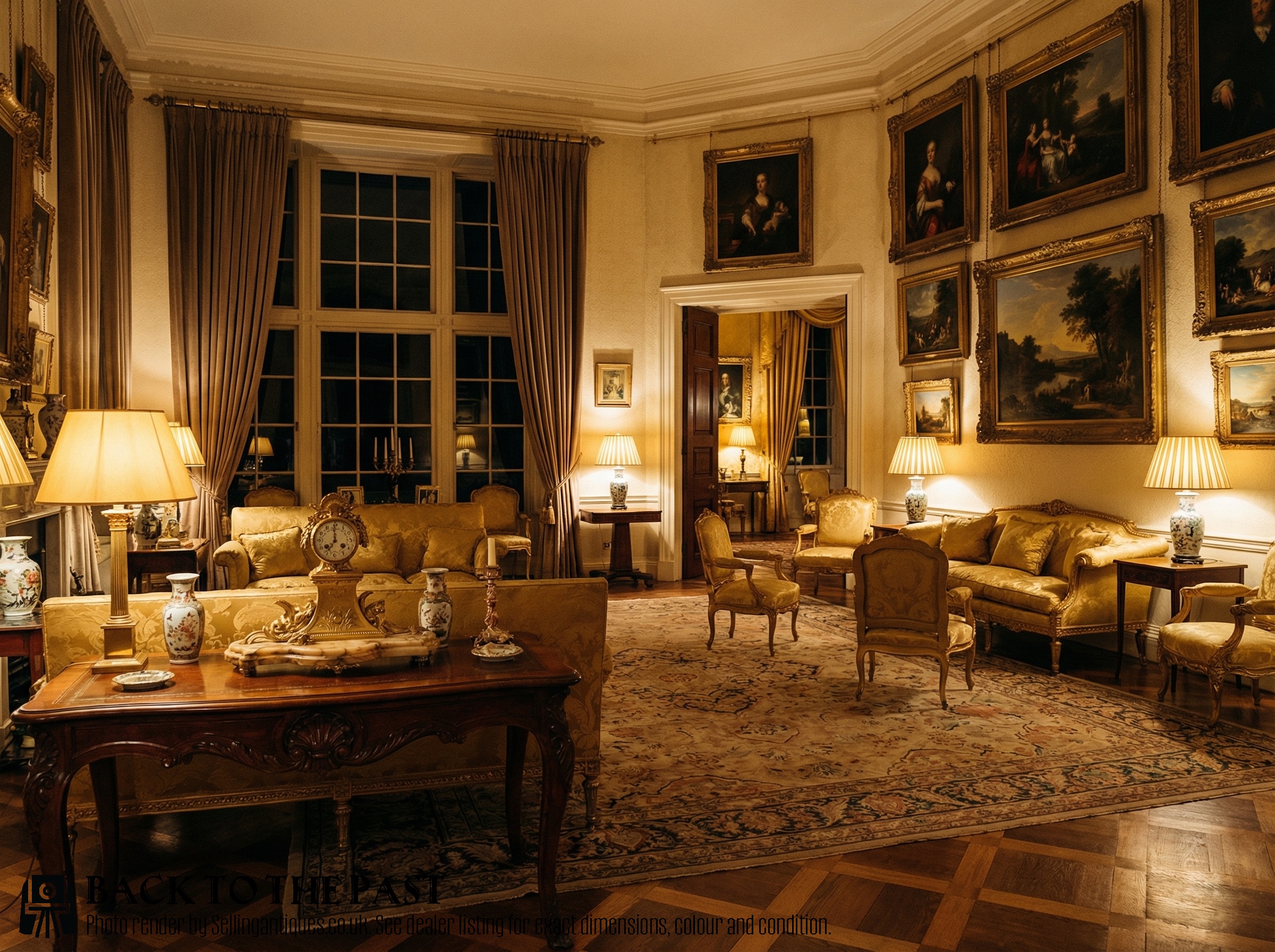
When you search for a gilt metal clock, you find timepieces shaped by Victorian taste and French revivalism, designed to anchor a mantelpiece or desk with metallic weight.
Gilt Metal Clock
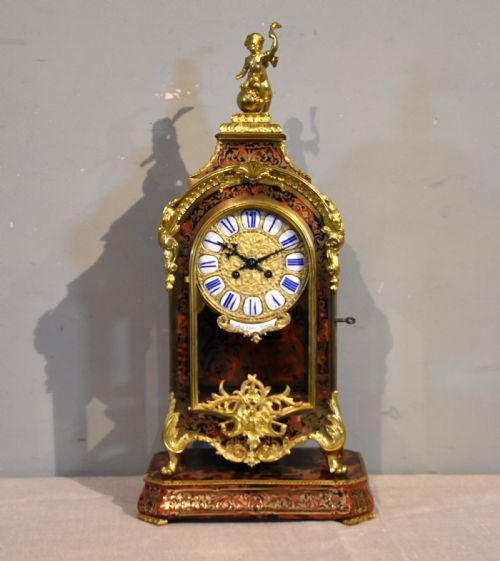
A gilt metal clock spans mantel clocks, garniture sets, carriage clocks, and portico styles originating primarily in the nineteenth century. These objects function as decorative centerpieces as well as timekeepers, often incorporating subsidiary ornaments or flanking candelabra.
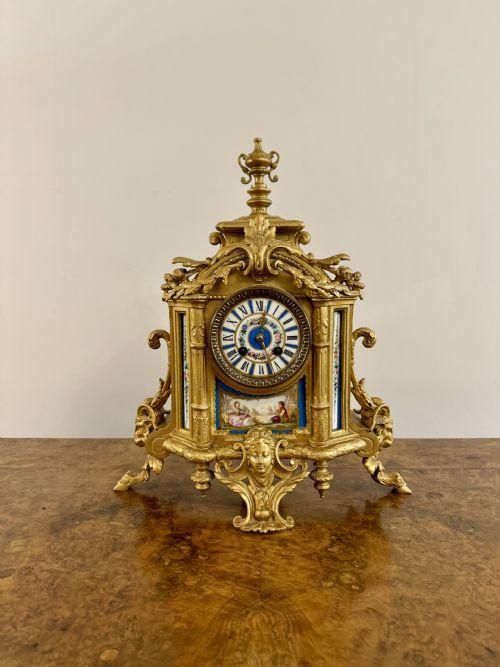
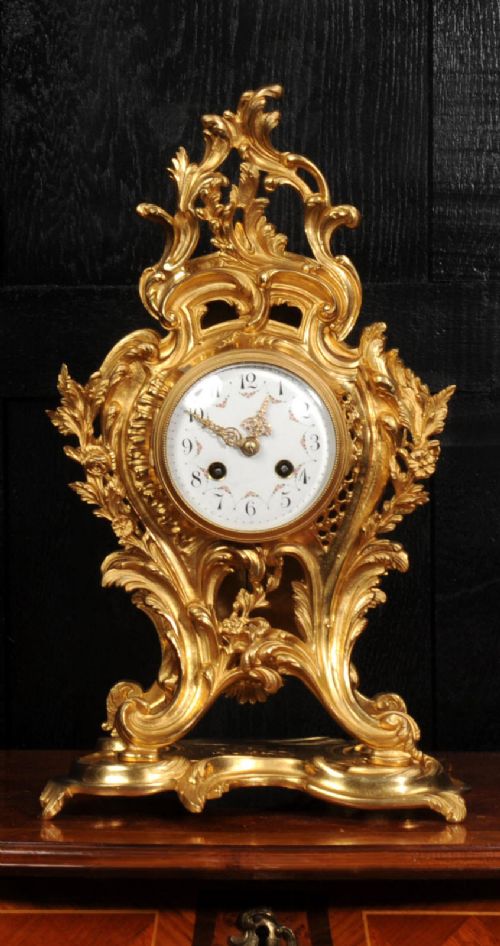
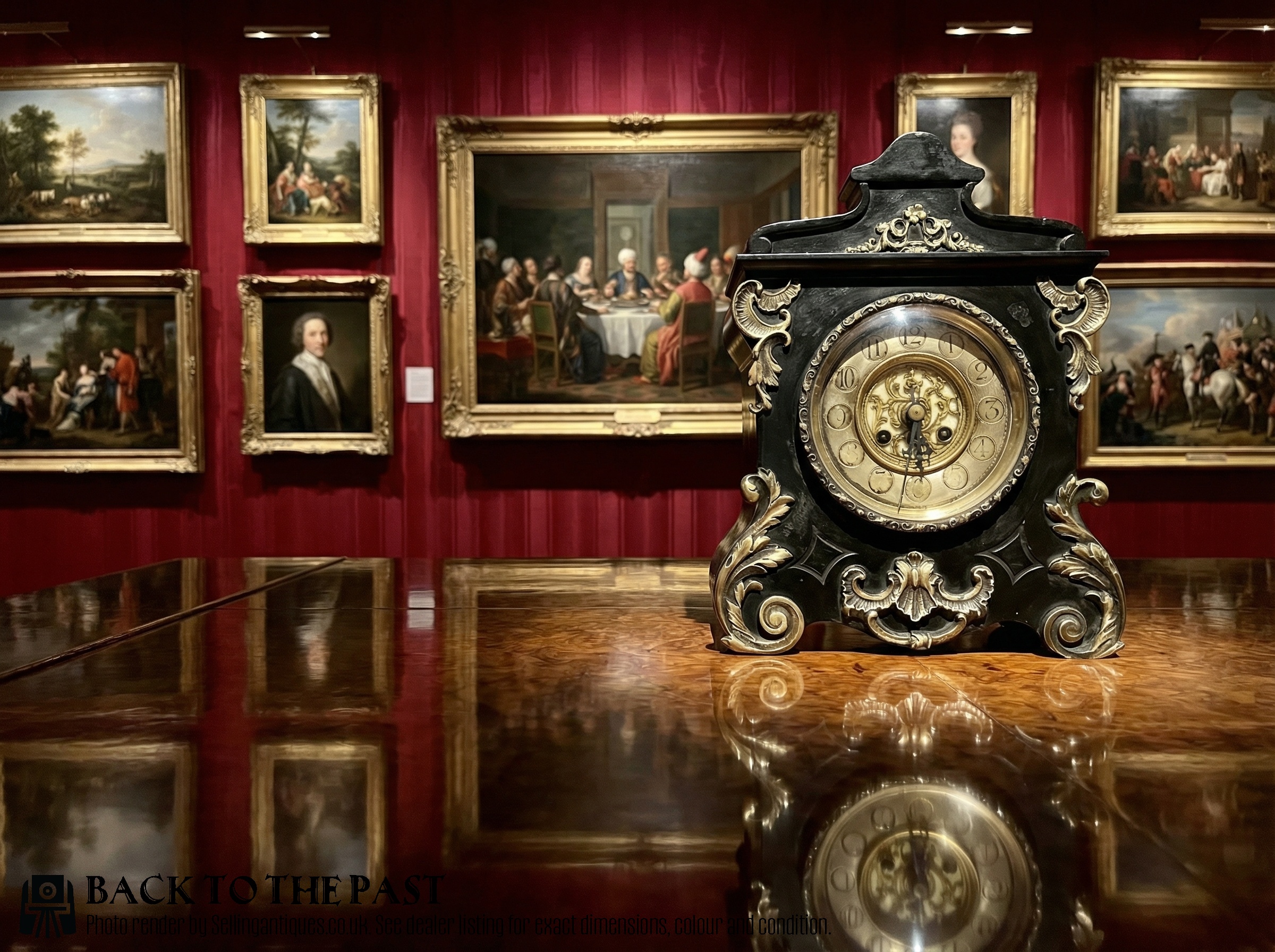
The material vocabulary draws heavily on French workshops and Victorian makers who utilised cast brass, bronze, and ormolu alongside porcelain panels and enamel dials. Examples range from ornate Rococo and Louis XVI revival designs to architectural portico frames and mid-century alarms.
Materials and construction
Foundry work combined cast bronze, brass, and gilt metal mounts with applied gilding or ormolu finishes. Movement production relied on established makers utilising eight-day mechanisms, fusee movements, and striking trains.
Decorative elements frequently integrated hand-painted porcelain plaques, champlevé enamel, marble bases, and glass domes. Cases were cast, chased, and mounted with figural details such as putti or classical motifs.
Gilt Metal Clock Retail Price Guide 2026
Typical asking prices for gilt metal clock among the pieces listed under this phrase on Sellingantiques today, from the lower quarter to the upper quarter. They describe what is for sale here now, not the wider market.
An automaton beam engine clock mimics industrial machinery in miniature brass while keeping domestic time.
Evaluating craftsmanship
Differentiation lies in the crispness of the chasing on the gilt surfaces and the integration of components like hand-painted porcelain panels or marble plinths. Signed movements from established makers indicate higher workshop standards.
The architectural balance of garniture sets and the preservation of original gilding and enamel dials determine the integrity of the piece. Complete sets with matching sidepieces show greater original cohesion.
Japy Freres·PH Mourey·Leroy et Fils·John Barwise·Jaeger LeCoultre
The Gilt Metal Clock Glossary
- Ormolu
- Gilded bronze produced by applying a mercury-gilding amalgam to a cast bronze base. This technique creates a deep, durable metallic lustre found on nineteenth-century French cases.
- Garniture set
- A matching grouping consisting of a central clock flanked by decorative objects such as urns or candelabra. These sets were designed to sit symmetrically on a mantelpiece.
- Portico clock
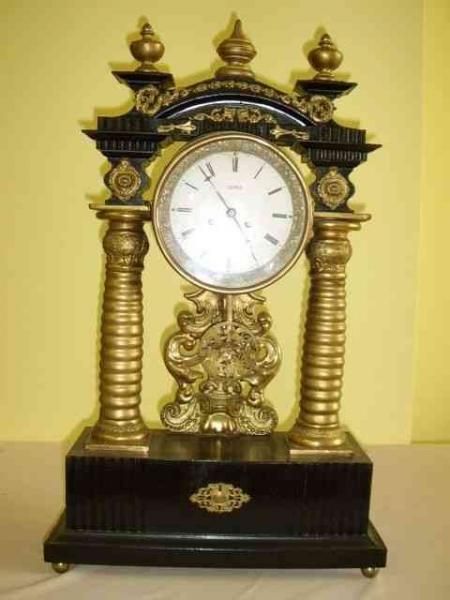
- A monumental clock design featuring a flat entablature supported by columns, framing a suspended pendulum. This architectural style gained popularity during the Regency and Empire periods.
- Fusee
- A conical pulley used in clock movements to maintain even tension on the gear train as the mainspring unwinds. It ensures consistent timekeeping across the duration of the wind.
- Champlevé
- An enamelling technique where troughs are dug into the metal surface and filled with vitreous paste before firing. This method creates patterned enamel borders on clock faces and bezels.
Gilt Metal Clock: Frequently Asked Questions
How do I wind an antique mantel clock?
Most mechanical models operate on an eight-day movement requiring a key inserted into the dial holes.
Care should be taken not to overwind the mainspring, turning gently until resistance meets the hand.
What is a clock garniture set?
A garniture comprises a central timepiece accompanied by matching decorative side pieces like urns or vases.
These sets were arranged symmetrically across mantelpieces in nineteenth-century drawing rooms.
Where were carriage clocks placed?
Carriage clocks were originally constructed as portable timepieces for travellers during the nineteenth century.
Their robust brass frames and protective glass panels allowed them to withstand movement in transit.