
Gilt Hand Painted China
Gilt hand painted china brings together brilliant metallic leaf work and intricate brush art on fine ceramic bodies for display and occasional service.

Gilt Hand Painted China
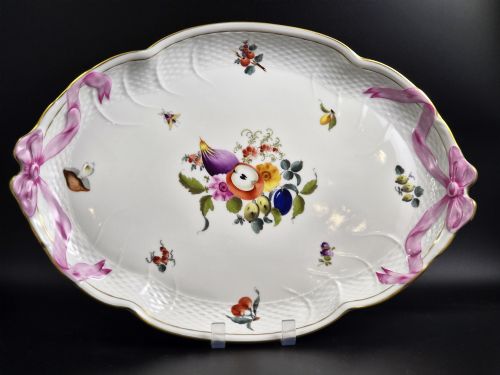
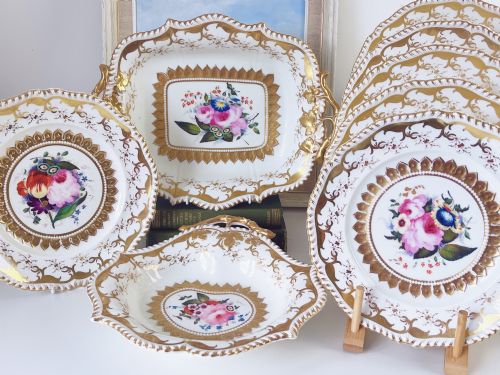
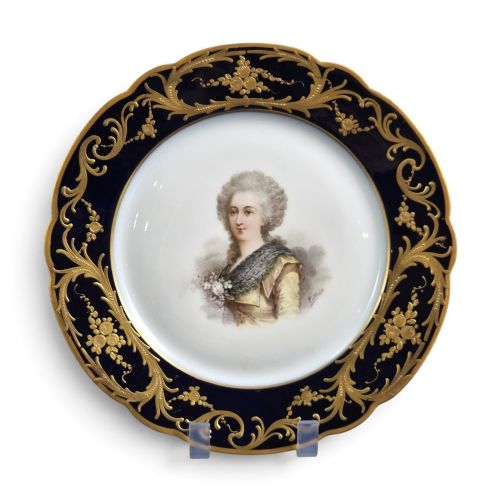
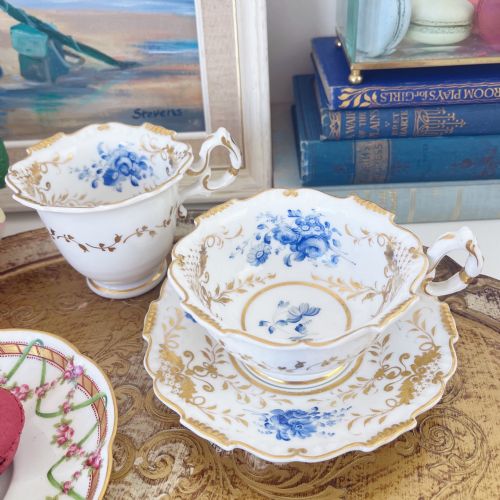
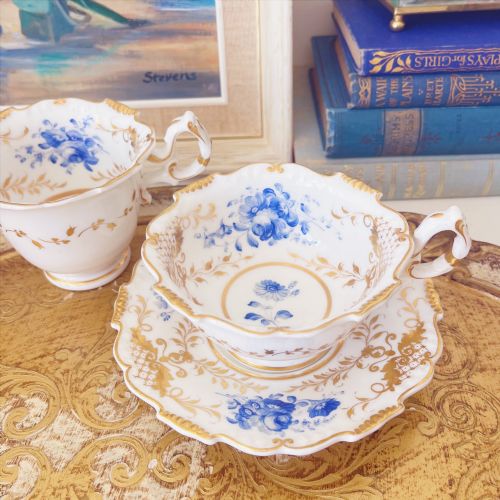
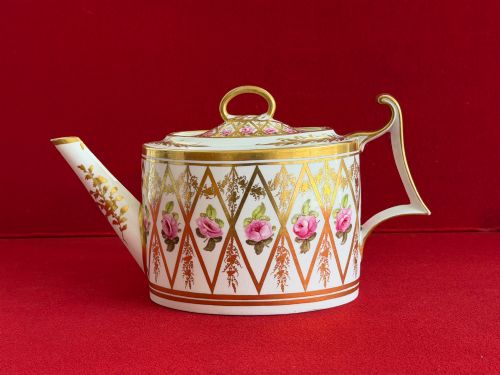
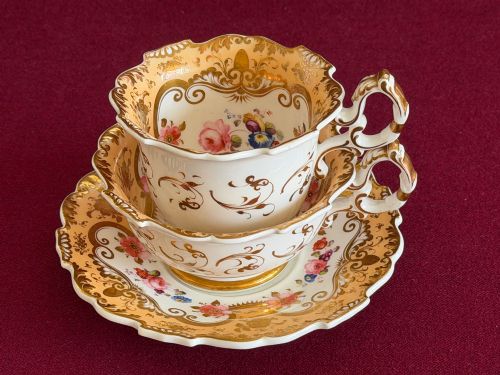
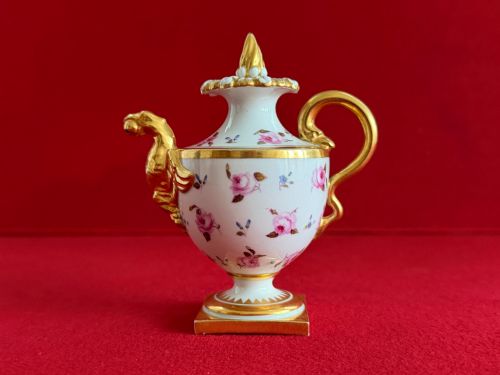
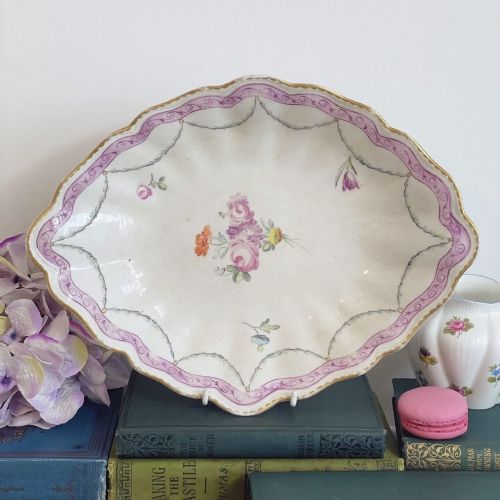
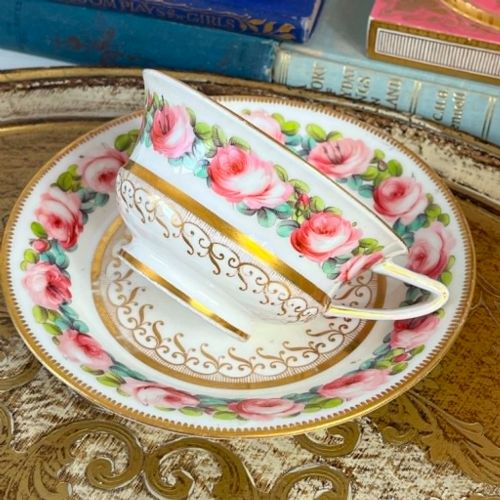
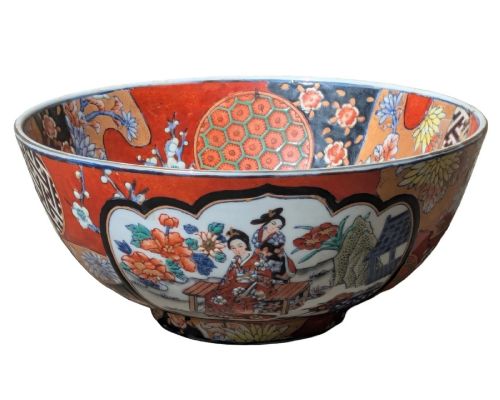
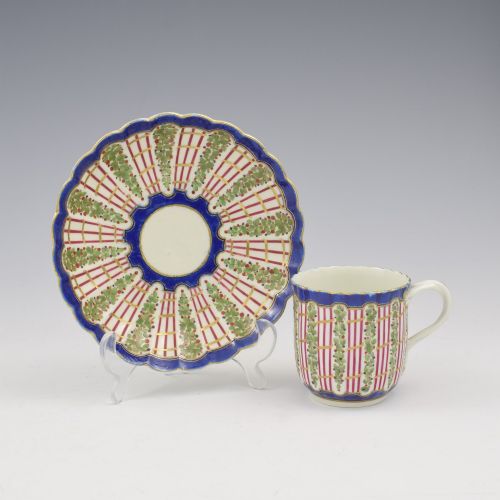
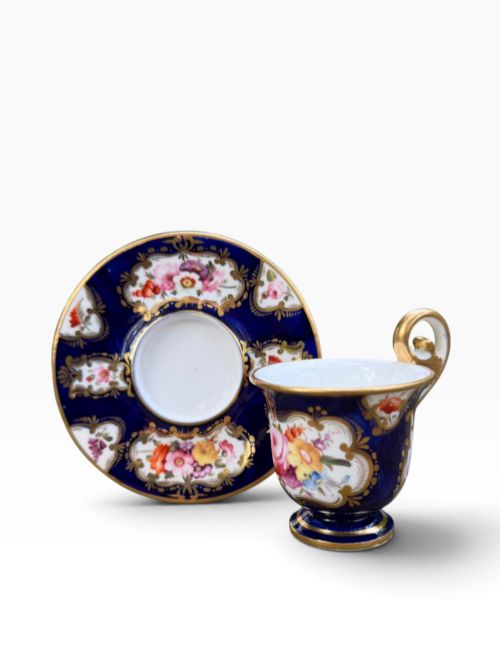
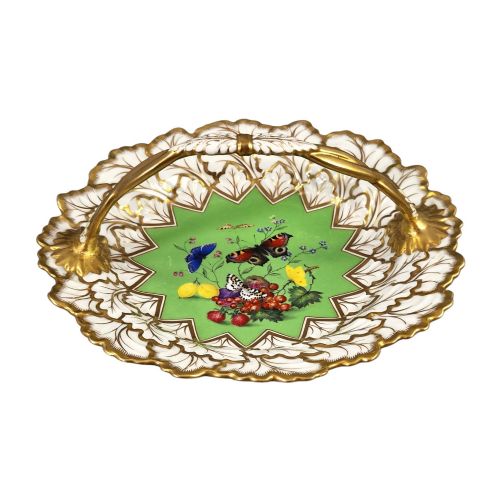
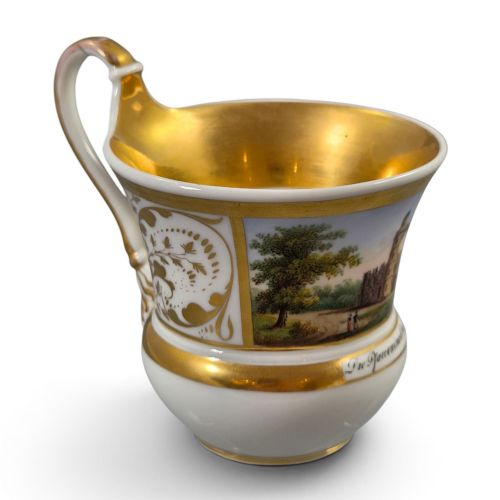
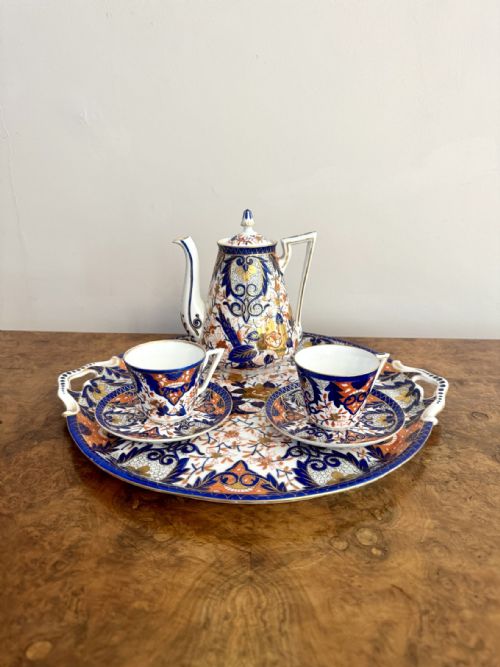
When you examine gilt hand painted china on this page, you encounter cabinet plates, tea services, and decorative dishes spanning several centuries of European manufacture. English and continental factories produced these decorated vessels for wealthy households, combining utility with ornamental display.
The pieces most frequently met include cabinet plates, teacups, and dessert services from the Georgian, Regency, and Victorian periods. Makers decorated these forms with botanical studies, landscapes, and floral sprays enclosed within gilded borders.
How they were made
Manufacturers shaped objects from porcelain, bone china, hard-paste porcelain, and ironstone before applying mineral pigments by hand. Artisans painted polychrome scenes using cobalt, enamel, and iron oxide colours directly onto the glazed ceramic body.
Gilding completed the process, utilising gold leaf and liquid gold applied with a brush or pen. Workshops fired the pieces multiple times in kilns to fuse the metallic leaf and enamel pigments permanently into the glaze.
The inventory records cabinet plates, teapots, and dessert dishes ornamented with gold leaf and enamel pigments.
What varies in quality
The standard of painting dictates the distinction between ordinary production and masterwork pieces. Skilled artists rendered botanical subjects and portraits with precise brushwork and subtle tonal shading, whereas lesser workshops relied on hurried, repetitive strokes.
The application of the metal also separates tiers of production. Heavy, burnished gold leafing denotes superior craftsmanship, while thin or rubbed gilding indicates standard commercial output.
Grainger Lee And Co·H And R Daniel·Flight Barr And Barr·Kpm Berlin·Royal Worcester·Royal Crown Derby·John Davenport
The Gilt Hand Painted China Glossary
- Cabinet plate
- A decorative ceramic dish intended for display on a wall or within a cabinet rather than for dining use. These items frequently feature elaborate painted scenes and heavy gilding.
- Bone china
- A type of soft-paste porcelain incorporating bone ash into the ceramic paste. This formula creates a durable, translucent white body suitable for intricate painting.
- Hard-paste porcelain
- A true porcelain made from kaolin and petuntse fired at high temperatures. It yields a dense, vitreous material that resists scratching.
- Gilding
- The application of gold leaf or powdered gold to ceramic surfaces. Artisans burnished the metal to achieve a reflective shine.
- Trio
- A matching ceramic set comprising a teacup, coffee cup, and saucer. These combinations appeared frequently in English breakfast and afternoon tea services.
Gilt Hand Painted China: Frequently Asked Questions
What is gilt hand painted china?
Gilt hand painted china encompasses ceramic tableware and display items decorated with brushwork and metallic leaf.
Craftsmen across English and European potteries produced these functional and decorative pieces for domestic display.
How do I date these ceramics?
Dating relies upon factory marks, stylistic traits, and the changing composition of the ceramic body.
Earlier eighteenth-century items display distinct paste characteristics compared to later Victorian or Edwardian pieces.
Were these pieces used daily?
Many items, such as tea sets and dessert services, served during formal dining occasions in wealthy households.
Cabinet plates and delicate cups remained primarily for ornamental display in drawing rooms.
How should I clean gilt china?
Wash painted and gilded ceramics gently in warm water using mild soap without harsh abrasives.
Harsh scrubbing agents and dishwashers wear away delicate enamel colours and metallic leaf.