

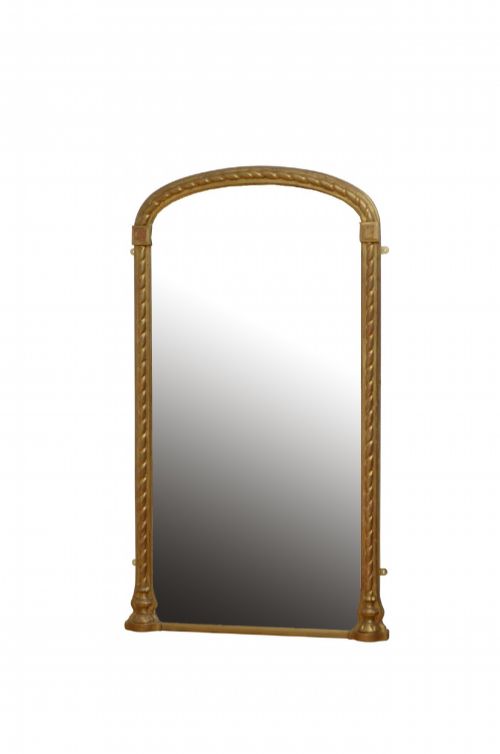
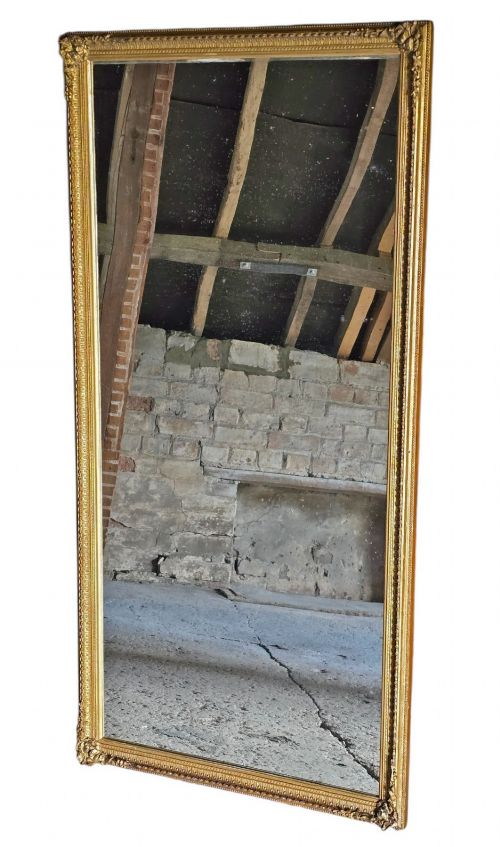
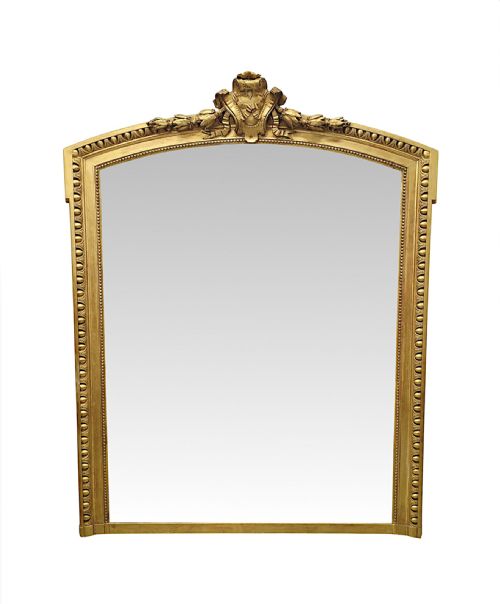

Gilt Hall Wall Mirror
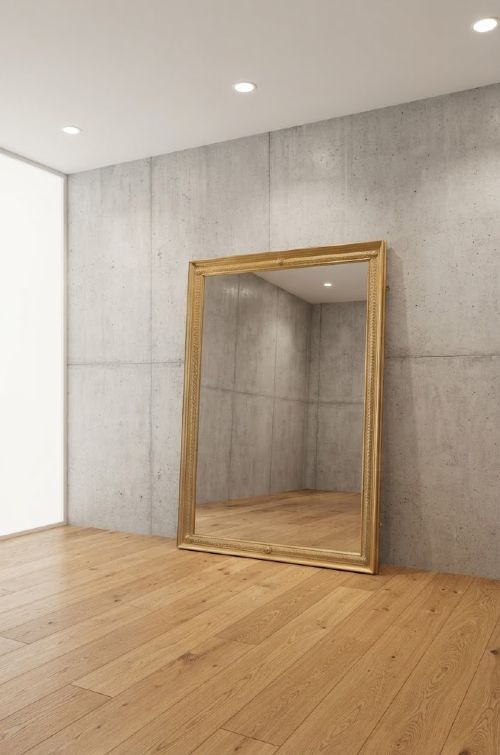
A gilt hall wall mirror brings immediate depth and reflected light to an entranceway, drawing the eye with gilded surfaces and period proportion.
Gilt Hall Wall Mirror
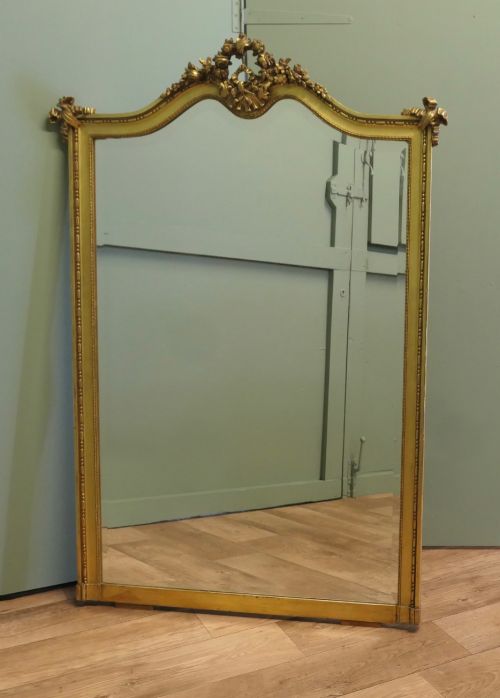
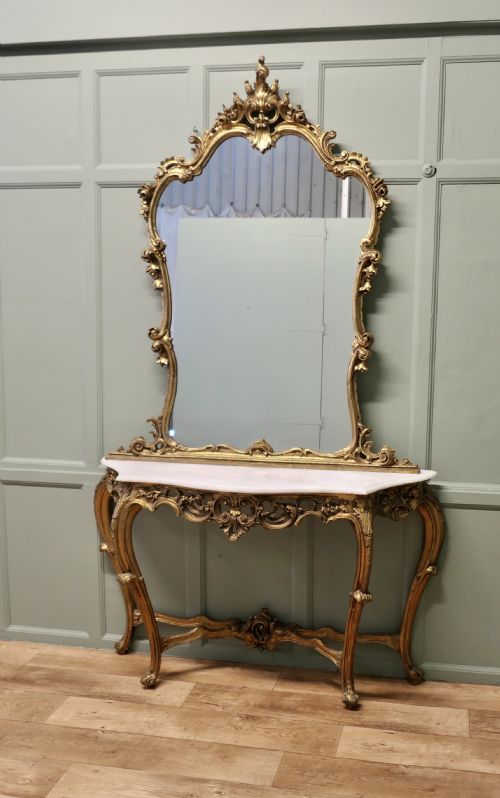
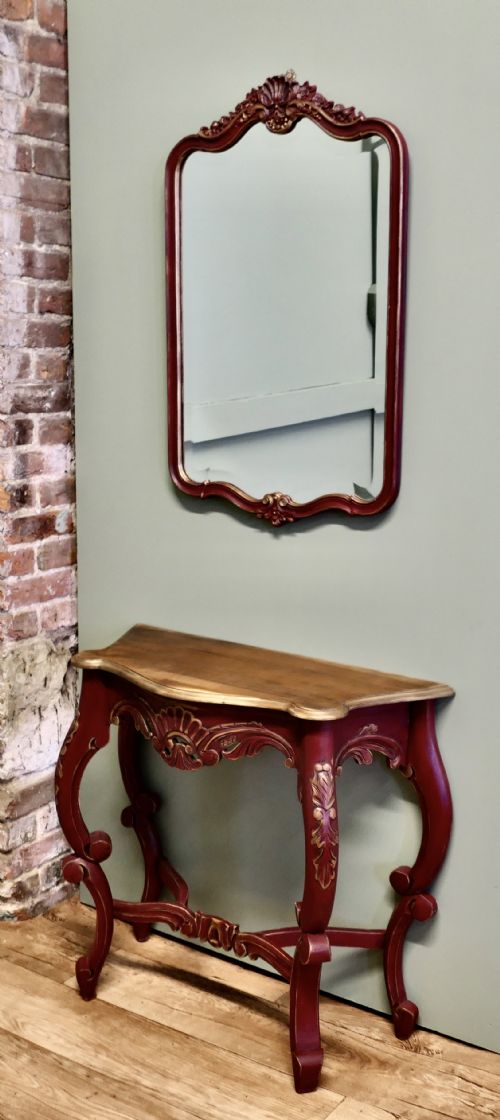
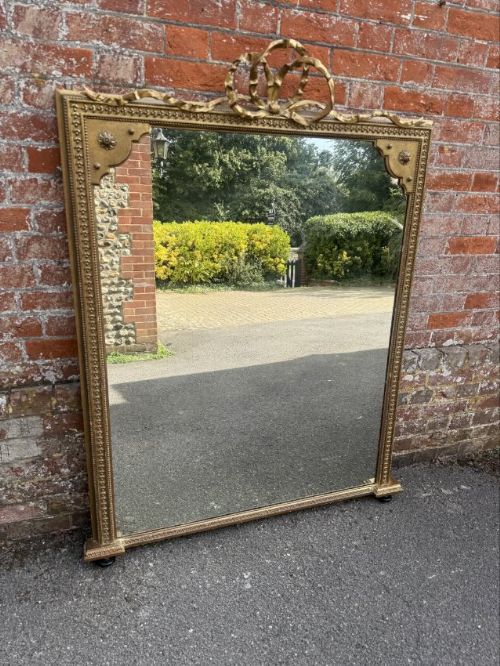
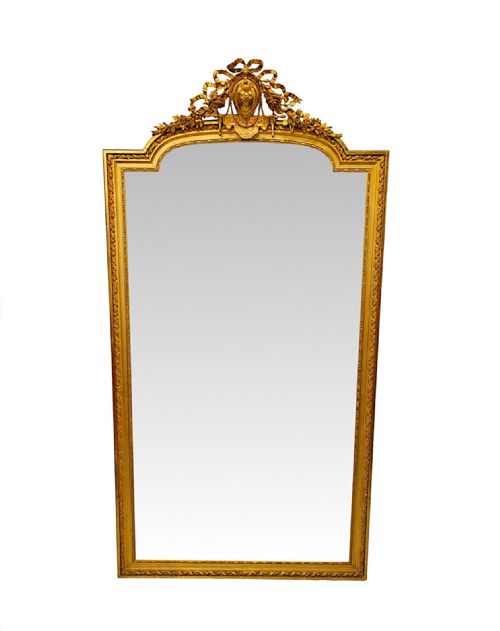
A gilt hall wall mirror is a vertical hanging glass designed to occupy the narrow wall spaces of corridors, landings, and entranceways, often paired with console tables or built as tall pier mirrors. Buyers searching for a gilt hall wall mirror encounter pieces spanning from the Georgian and Regency eras through the Victorian period, 19th-century French designs, and into early 20th-century revivals.
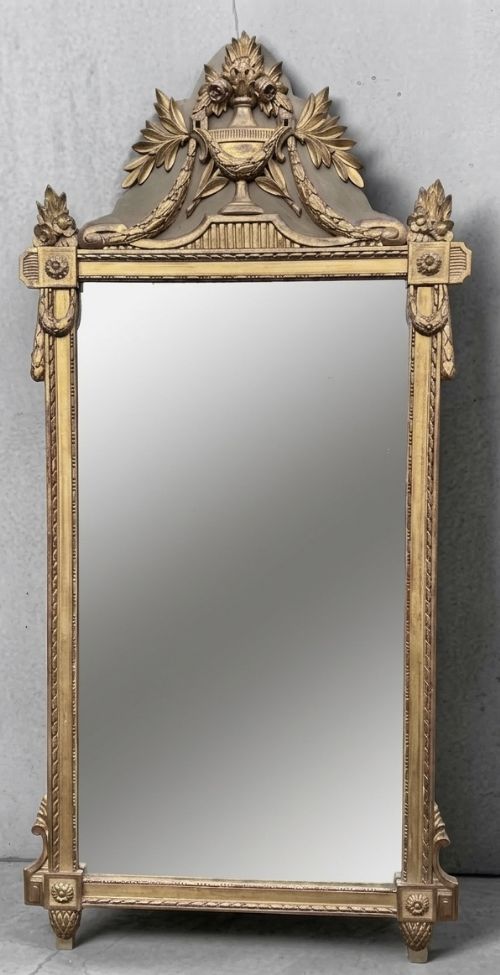
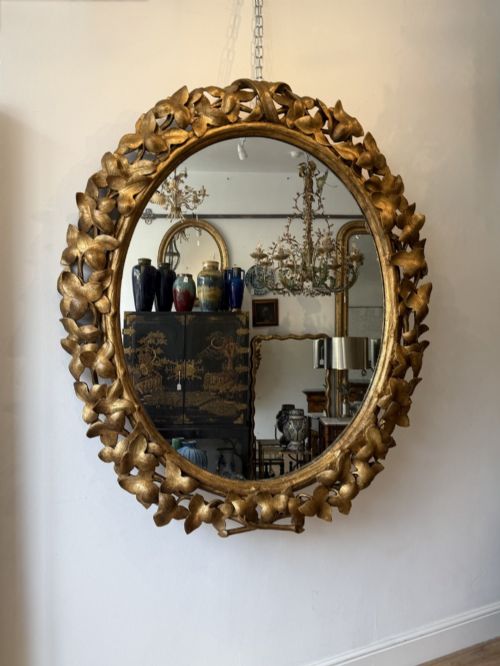
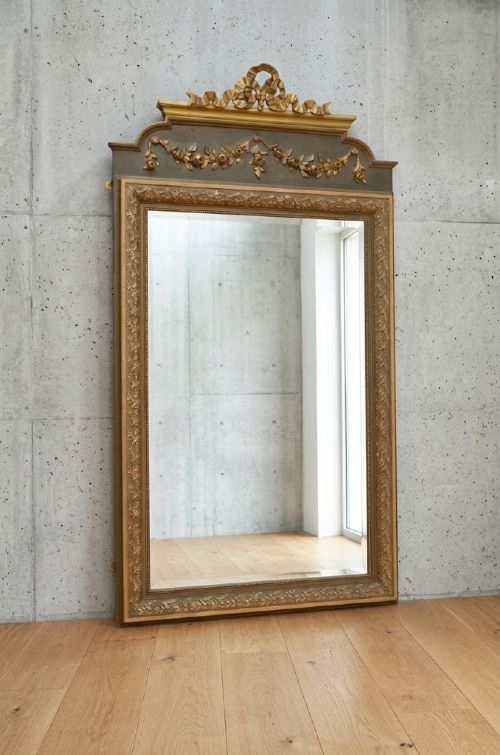
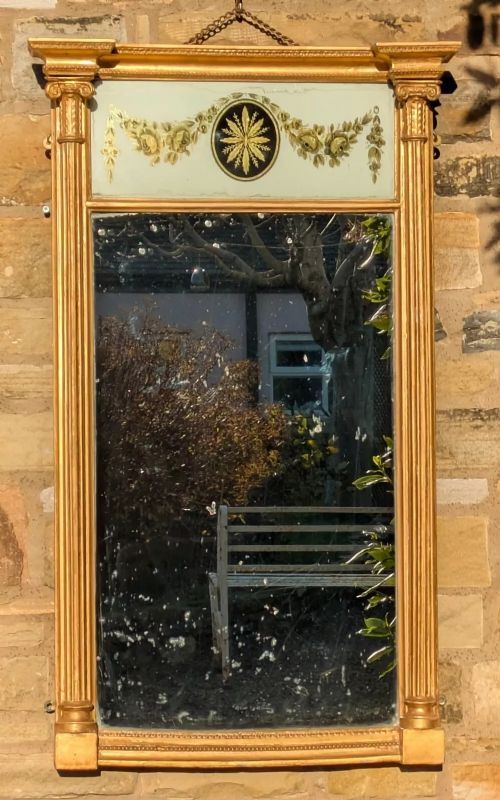
The common iterations on this page include tall 19th-century giltwood frames, oval wall glasses with gesso ornamentation, and architectural pier mirrors incorporating verre eglomise panels or rope carving. These pieces served historically to bounce natural light into dark hallways while offering a final check before stepping out of the house.
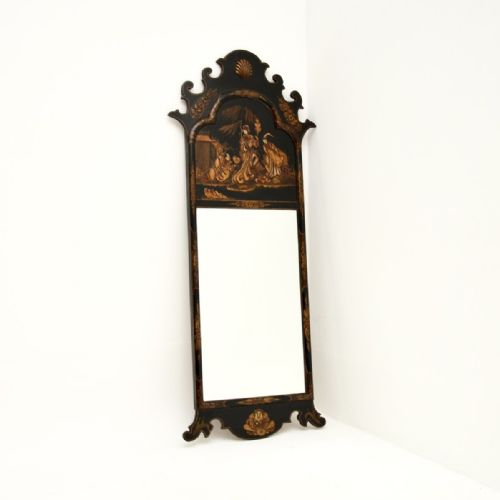
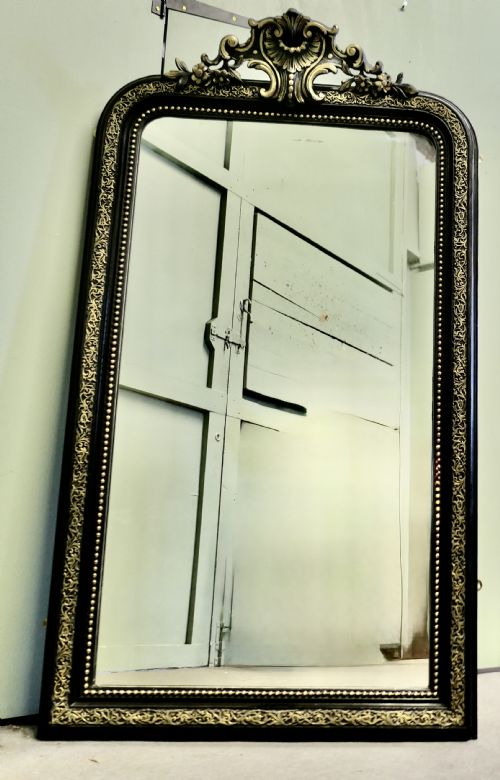
Many examples reflect regional stylistic movements, from ornate Italian Florentine carvings and French Louis Philippe frames to English walnut fretwork and parcel gilt compositions. The selections range from neat-sized domestic glasses to enormous country house pier mirrors designed for grander domestic settings.
Materials and construction
The foundation of these frames typically relies on carved timber, wood, or moulded gesso built over a wooden carcass, providing the structural depth needed for complex relief work. Artisans then applied gold leaf, parcel gilt, or bronze highlights over the prepared surfaces to achieve a luminous metallic finish.
Glass plates were silvered and sometimes bevelled by hand, occasionally retaining original imperfections or paired with decorative reverse-painted verre eglomise panels within the upper frame sections. Secondary woods such as mahogany and walnut appear in crossbanded or fret-cut frames alongside ebonised wood details.
Gilt Hall Wall Mirror Retail Price Guide 2026
Typical asking prices for gilt hall wall mirror among the pieces listed under this phrase on Sellingantiques today, from the lower quarter to the upper quarter. They describe what is for sale here now, not the wider market.
Some tall frames hide secretive rope carvings designed to trick the eye into thinking the entire structure was bound by cord.
Distinguishing quality across the range
Quality reveals itself in the crispness of the hand-carved gesso and wood ornamentation, where depth and undercut detailing separate superior sculptural work from softer, mass-produced moulding. The integrity of the original gilding and the preservation of the early glass plate further differentiate standard domestic items from exceptional salon-grade examples.
Proportion and structural joinery dictate the architectural success of the frame, with well-balanced rope twists, floral crests, and cartouches remaining secure on their original backing boards. Pieces featuring integrated console tables or specialised glass panels demand higher levels of cabinetmaking and joinery skill.
The Gilt Hall Wall Mirror Glossary
- Giltwood
- Wood that has been coated with gold leaf or metal leaf applied over a prepared gesso ground. This finish provides the characteristic warm metallic sheen found on period frames.
- Gesso
- A plaster-like mixture applied to wooden frame bases and carved into intricate decorative motifs before gilding. It allows for sharp relief details such as scrolls and flowers.
- Pier Mirror
- A tall, narrow mirror designed specifically to hang on the wall space between two windows or above a low console table. These pieces maximise interior light reflection.
- Verre Eglomise
- A cold decoration technique involving painting and applying gold or silver leaf onto the reverse side of glass panels. It creates a rich, layered visual effect often seen at the top of Regency mirrors.
- Parcel Gilt
- A finish where only specific portions of a wooden or ebonised frame are gilded, leaving the underlying timber exposed for contrast. This technique highlights particular mouldings and architectural lines.
Gilt Hall Wall Mirror: Frequently Asked Questions
Where should I hang a tall mirror?
These tall glasses work effectively in entrance halls, landings, or above low console tables where vertical wall space allows the frame proportions to breathe. They naturally draw ambient light through the room.
Ensure the wall construction can support the substantial weight of timber and gesso frames, using appropriate fixings secured directly into wall studs or masonry.
How do I care for antique gilding?
Dust the gilded surfaces gently with a soft, dry ostrich feather duster or a clean, dry artist's brush to prevent accumulation. Avoid all modern chemical polishes and damp cloths.
Moisture and harsh cleaning agents can lift fragile gesso and dissolve historical gold leaf layers, causing irreversible damage to the original finish.
Are the mirror plates original?
Many pieces retain their early or original glass, which often exhibits characteristic foxing, light oxidation, and minor surface pitting. Some pieces have received new glass replacements over their long histories.
Examining the depth and distortion of the reflection helps identify period glass, while listings explicitly note when a glass plate has been replaced.
How do I identify a pier mirror?
Pier mirrors are traditionally characterised by their elongated vertical format, engineered to fit narrow wall partitions between architectural openings. They frequently feature flat lower bases designed to align with console tables.
Unlike overmantels which sit low and wide above fireplaces, pier glasses prioritize height and vertical emphasis to reflect maximum natural light.