
Gilt French Porcelain
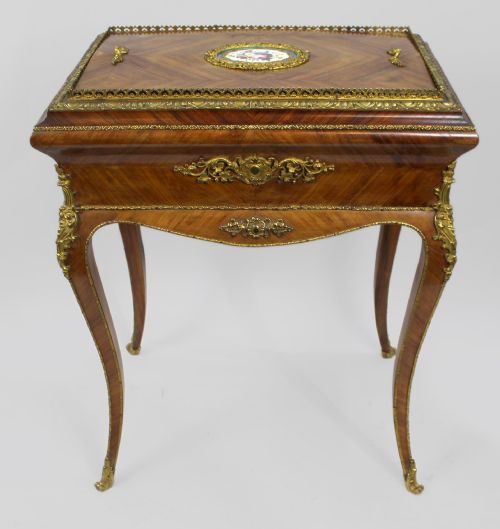
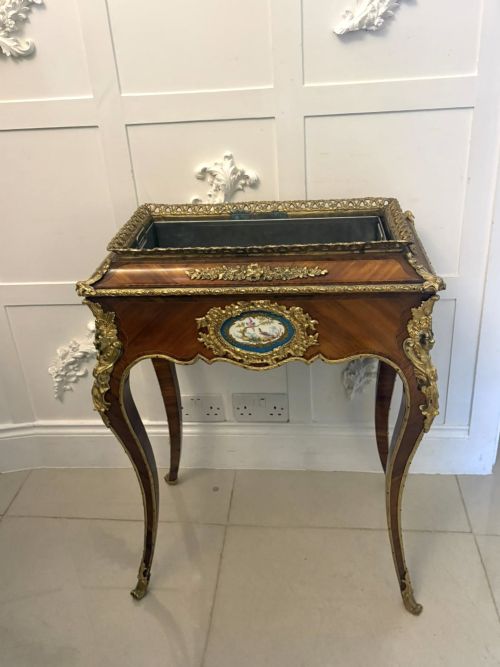
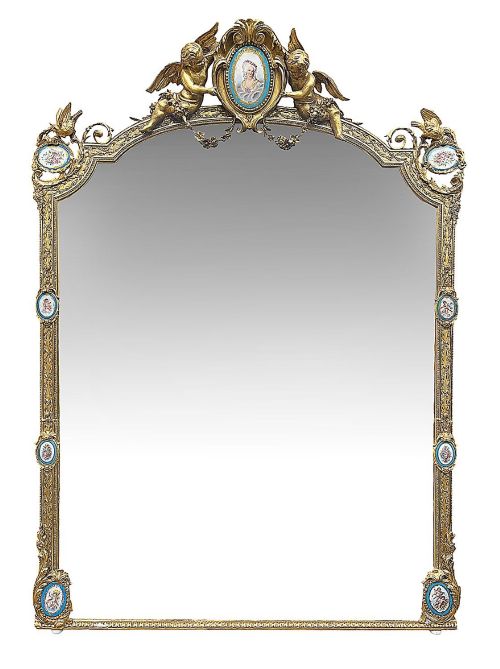
These opulent gilt french porcelain objects merge gleaming metallic mounts with hand-painted ceramic bodies to bring continental interior splendour into domestic spaces.
Gilt French Porcelain
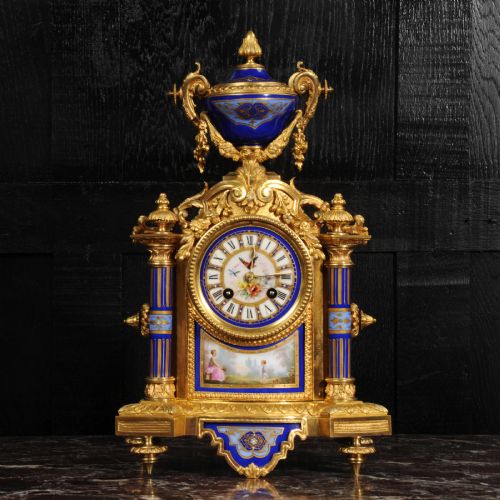
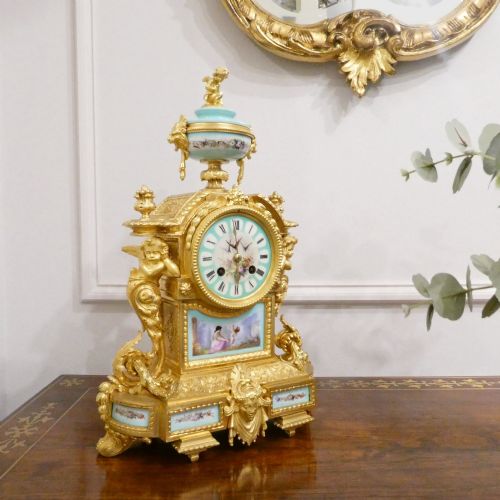
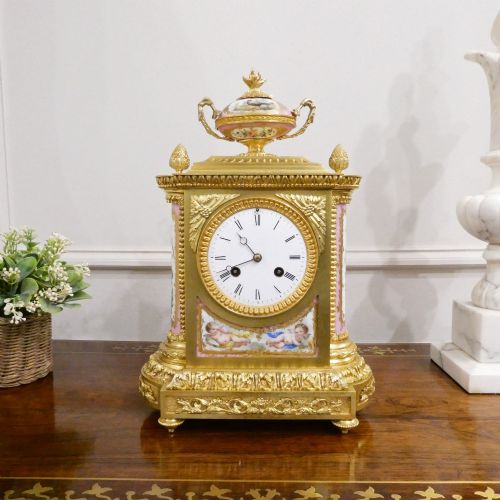
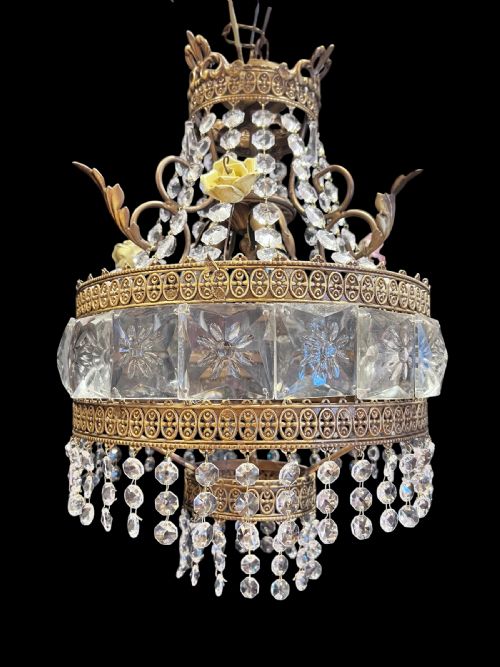
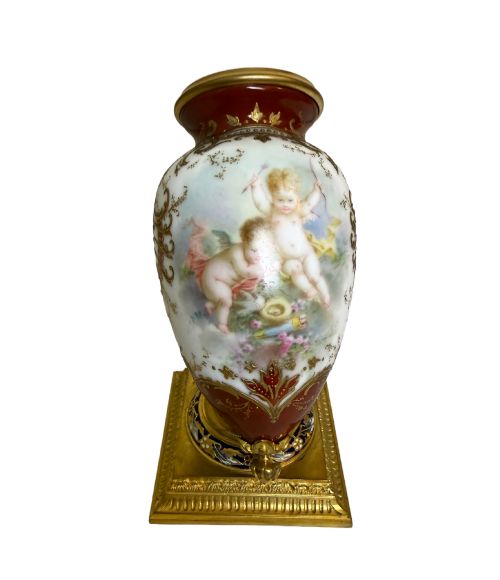
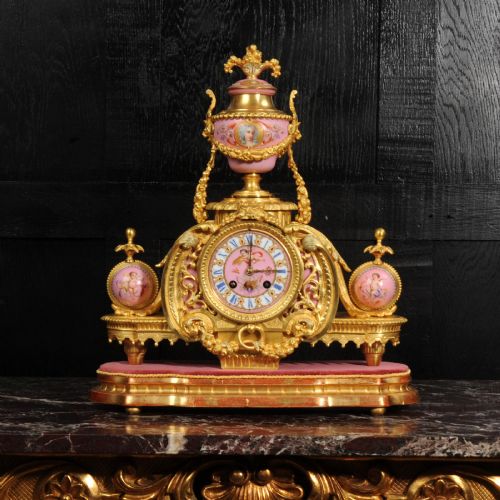
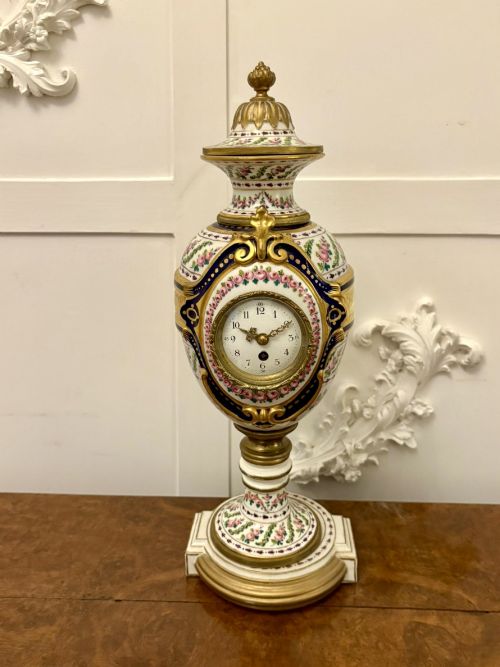
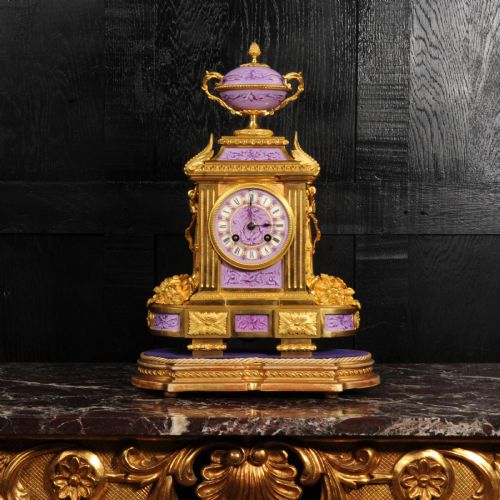
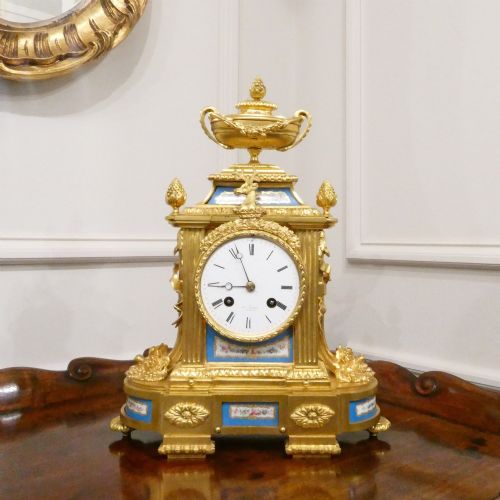
Gilt french porcelain encompasses a diverse array of decorative and utilitarian objects originating mainly from nineteenth-century workshops and major factories. The items most commonly encountered on this page include mantel clocks, decorative vases, and table lamps featuring rich blue grounds or hand-painted panels.
Many of these pieces draw inspiration from earlier royal aesthetics, surfacing in styles such as Louis XVI, Napoleon III, and French Rococo Revival. Makers frequently combined glazed ceramic bodies with cast or chased metal mounts to create centrepieces for grand nineteenth-century salons.
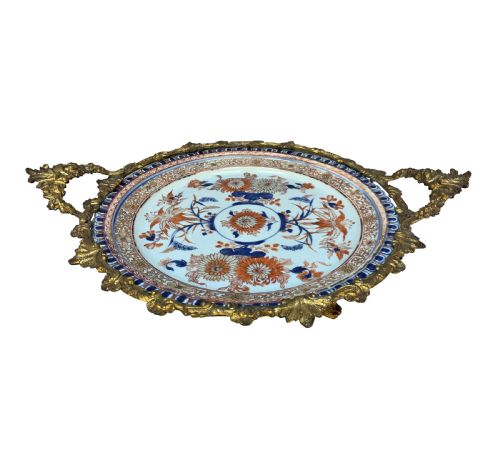
The selection ranges from cabinet plates and lidded dishes to larger architectural items like urns, jardinières, and candelabra. Functional household accessories also appear, including teapots, inkwells, and mounted walking sticks.
How They Were Made
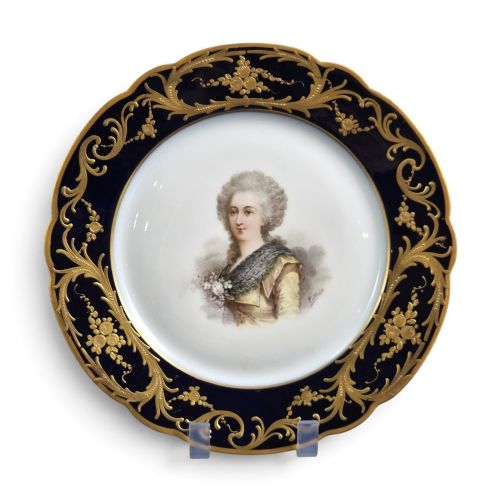
Makers shaped fine ceramic pastes into bodies and vessels, frequently applying cobalt, bleu céleste, or turquoise glazes before firing the pieces. Artisans then added hand-painted portraits, pastoral scenes, or floral motifs, often incorporating raised gilding or gold leaf.
Foundries produced supportive framework utilising bronze, ormolu, brass, and gilt metal to mount and protect the porcelain edges. Skilled metalworkers cast, chased, and gilded these mounts to secure the ceramic components within elaborate architectural or organic frames.
A dapper gentleman could stride through town leaning on a walking stick concealing both a sword and painted porcelain panels.
What Varies in Quality
The sophistication of the hand-painted decoration separates standard production pieces from exceptional works, particularly in portraiture, fine enamel details, and the precision of the gilding. Superior examples display depth and control in the miniature brushwork across plaques and central reserves.
The weight, crispness, and finishing of the metal mounts dictate overall excellence, as master foundries created sharply cast ormolu and bronze elements that fit the ceramic contours precisely. Movement complexity in clockwork mechanisms also elevates the status of functional pieces.
Achille Brocot·Henry Marc·Japy Freres·Jacob Petit·Edmé Samson·PH Mourey·Jean Baptiste Delettrez·Vincenti
The Gilt French Porcelain Glossary
- Ormolu
- Gilt bronze, where a finely ground high-carat gold amalgam is applied to a cast bronze base through mercury gilding and heat. This technique creates a durable, warm metallic lustre characteristic of luxury continental furniture and clock mounts.
- Bleu Céleste
- A bright sky-blue ceramic ground colour developed at eighteenth-century royal factories and frequently emulated during later nineteenth-century revivals. It provides a vibrant backdrop for polychrome floral painting and heavy gilt borders.
- Plaque
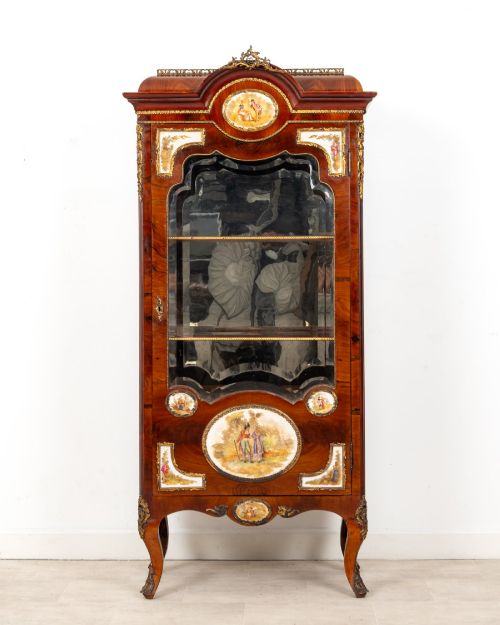
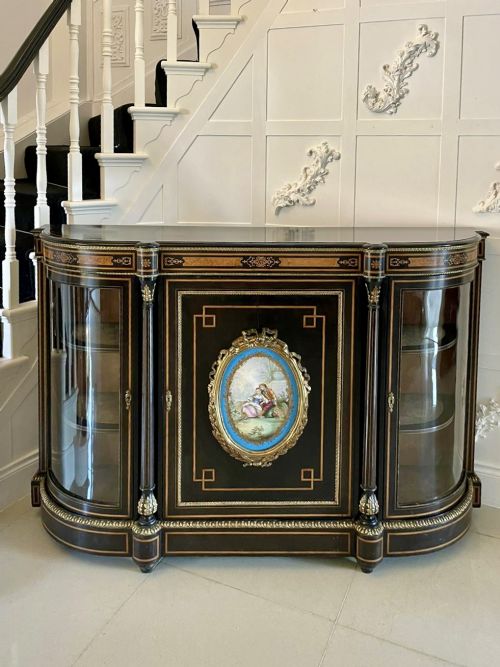
- A flat or slightly curved porcelain panel painted with a scene or portrait, intended for insertion into furniture, clocks, or wall frames. These pieces showcase miniature artistic skill independent of three-dimensional vessel forms.
- Tazza
- A shallow ornamental cup or plate raised on a central foot and stem, used traditionally for display on tables and sideboards. They highlight decorative ceramic surfaces and metal rims.
- Jardinière
- A decorative container designed to hold potted plants or floral arrangements within domestic interiors. These vessels often integrate painted ceramic bodies with substantial metal handles and bases.
Gilt French Porcelain: Frequently Asked Questions
What periods do these pieces come from?
Most items date from the nineteenth century, spanning periods from the Second Empire and Napoleon III eras back to earlier revivals of Louis XVI styles. A smaller number originate in the eighteenth century or extend into later twentieth-century interpretations.
Production methods and aesthetic choices shifted across these decades, moving from royal manufactory standards towards widespread commercial luxury goods in the late eighteen-hundreds.
How were these decorative items used?
Owners displayed these objects prominently on mantelpieces, credenzas, and sideboards to signal wealth and refined taste in formal reception rooms. Many combined utility with display, functioning as clocks, lamps, inkwells, or serving vessels.
Larger candelabra and vases anchored symmetrical room arrangements, while smaller desk items and walking sticks served personal daily use.
How should I care for gilt porcelain?
Dust the surfaces gently with a soft, dry brush to prevent accumulation in crevices around the metal mounts and painted reserves. Avoid chemical cleaners or excessive moisture, which can damage delicate gold leaf, enamel work, and exposed bronze.
Keep pieces away from direct sunlight to preserve the vibrancy of cobalt and turquoise ceramic glazes over time.
How do I identify factory styles?
Look at the ground colours, potting weights, and painting styles, noting whether pieces imitate specific royal palettes like Sevres blue or Chinese Imari designs. Examining the precision of the bronze mounts often reveals the workshop origin or period of manufacture.
Signatures, stamps, or impressed marks on the reverse of the porcelain or within clock movements provide definitive attribution clues.