
Gilt Framed Wall Artwork
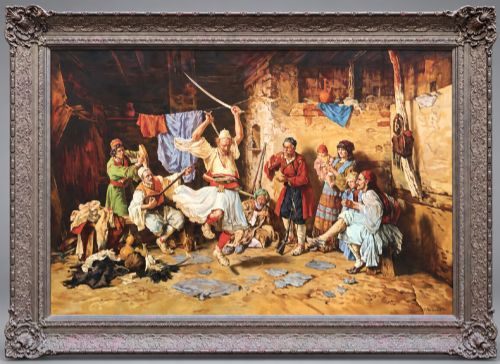
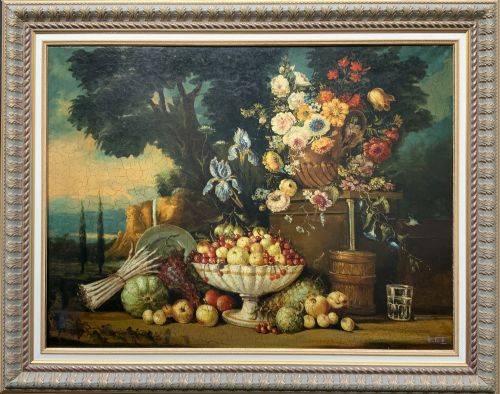
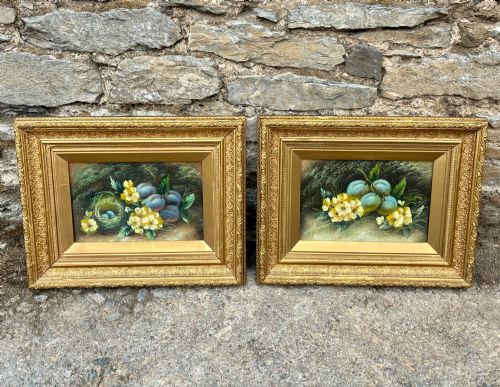
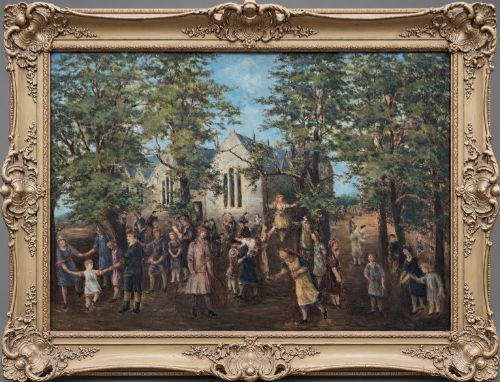
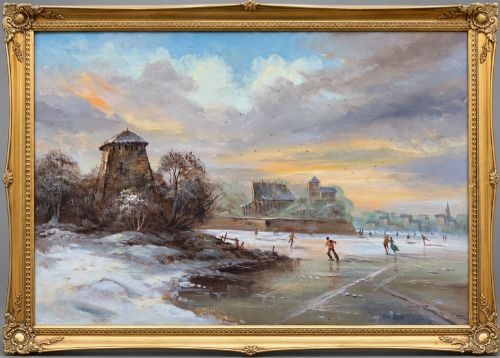
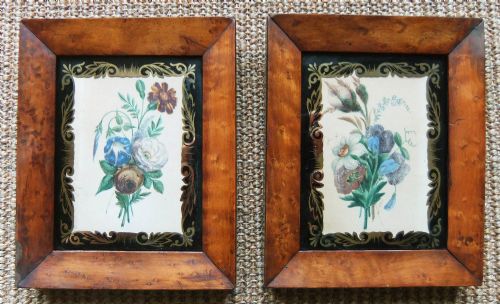
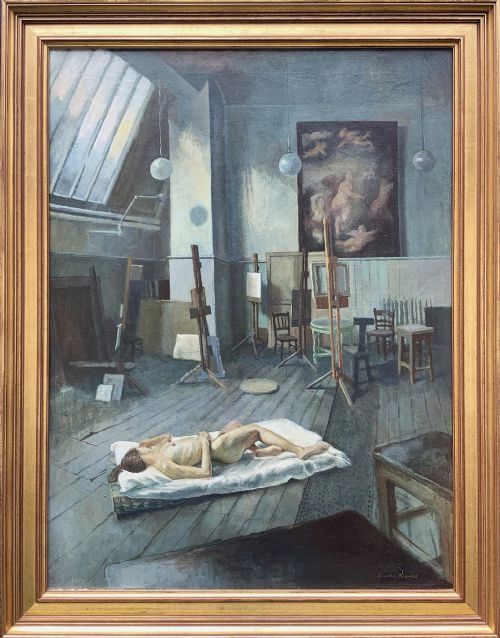
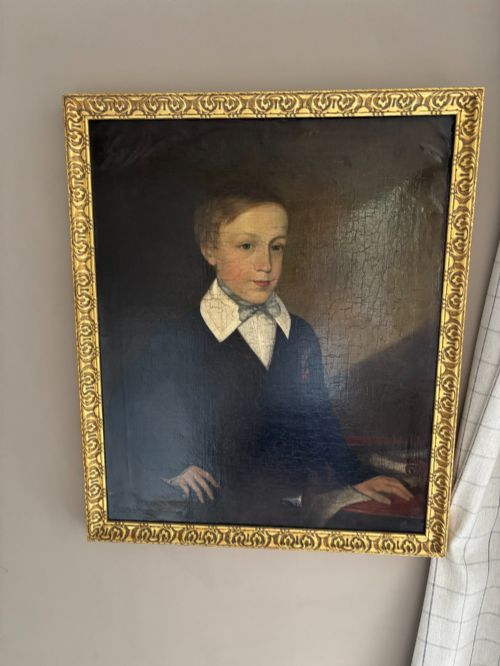
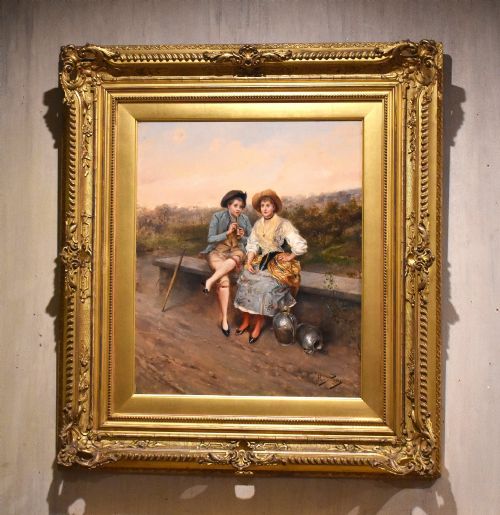
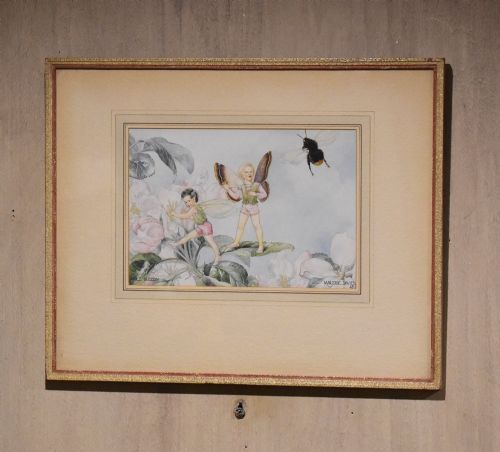
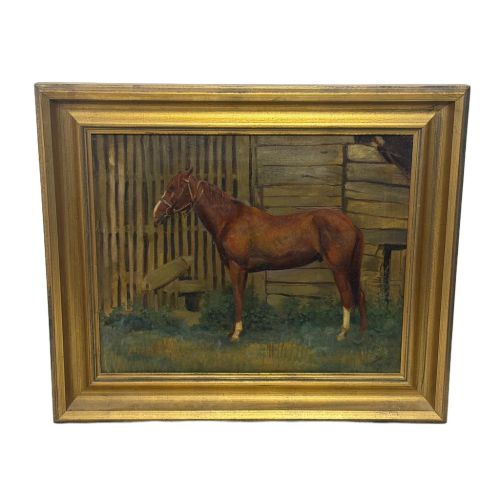
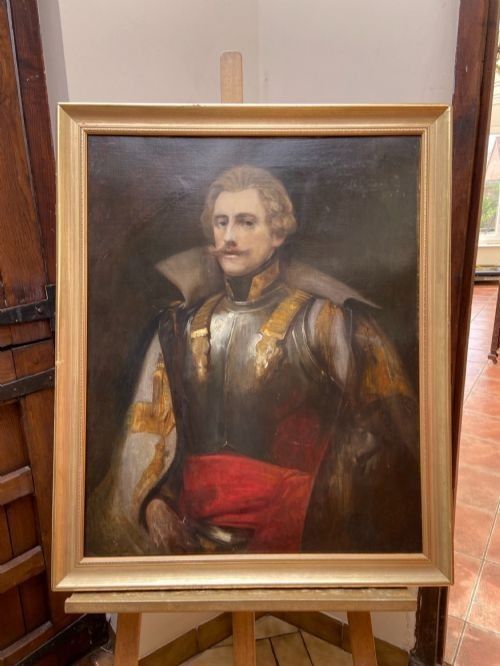
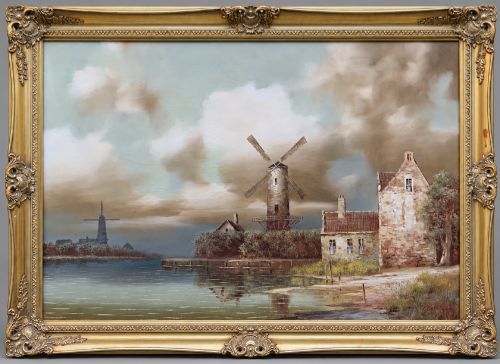
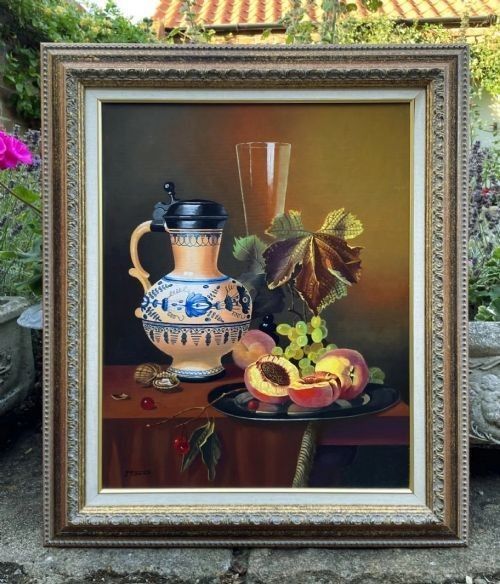
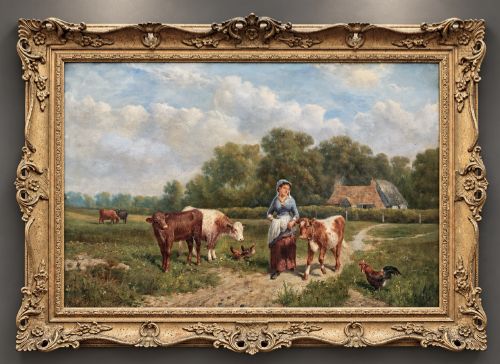
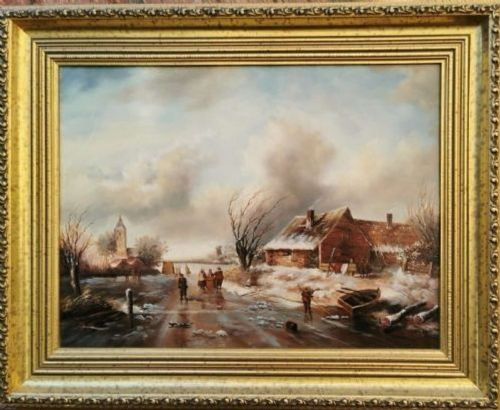
Gilt framed wall artwork brings together historic paintings, drawings and prints held within gleaming wooden frames.
Gilt Framed Wall Artwork
Gilt framed wall artwork encompasses oil paintings, watercolours, pastels and engravings dating from the seventeenth century through to the mid-twentieth century. Buyers encounter portraits, marine scenes, landscapes and classical studies housed within decorative borders.
The selection ranges from grand oil paintings on canvas and panel to delicate works on paper and period prints. Many feature historical subjects, romantic landscapes and detailed portraiture produced by named artists and regional schools.
Frames play a primary role in defining this group, utilising carved and gilded wood to enclose the picture surface. These surrounds often reflect periods such as the Victorian, Georgian, Baroque and French Rococo eras.
How they were made
Makers constructed the primary supports using wood for stretched canvas, solid panels and paper sheets. Artists applied oil paint, watercolour, pastel and ink to create the pictorial layer.
Frames utilise wood carved into decorative profiles and finished with layers of gilt or gold leaf. Glazing protects works on paper while exposed surfaces preserve oil paints applied to canvas.
Several portraits preserve the intense gazes of eighteenth-century admirals, architects and literary figures who stared firmly across the centuries to watch us browse.
What varies in quality
Quality rests upon the skill of the artist in handling paint, pastel or ink to render proportion, light and depth. Finer examples display precise brushwork, assured draughtsmanship and strong compositional balance.
The integrity of the gilt frame contributes significantly to the overall merit of the piece. Hand-carved wooden surrounds retaining original gilding command greater appreciation than later replacements.
Henry Barraud·Sir Joshua Reynolds·Katsukawa Shunshō·Charles-Antoine Coypel
The Gilt Framed Wall Artwork Glossary
- Giltwood
- Wood that has been coated with gold leaf or a gold-coloured metallic finish. This material forms the decorative borders characteristic of these frames.
- Oil on Canvas
- Pigments mixed with drying oils applied to a woven fabric stretched across a wooden frame. This method allows for rich colour blending and durability.
- Watercolour
- A paint consisting of water-soluble pigments applied to paper. It produces translucent washes of colour common in nineteenth-century works.
- Engraving
- A printmaking technique where an image is incised into a metal plate using a sharp tool. The recessed lines hold ink to transfer the design onto paper.
- Pastel
- A dry drawing medium composed of powdered pigment and a binder. Artists utilise these sticks of colour to achieve soft tones on paper.
Gilt Framed Wall Artwork: Frequently Asked Questions
How do I hang heavy gilt framed artwork?
These pieces require secure fixings screwed directly into structural wall studs or heavy-duty wall anchors designed to support the combined weight of the wood frame and canvas.
Using two hanging points distributed evenly across the frame width helps maintain level placement and reduces strain on the hanging wire.
Where should I place these artworks at home?
Displaying these works away from direct sunlight and damp environments protects the delicate pigments, paper and gilded wooden frames from fading or warping over time.
Interior walls with stable ambient temperatures provide the ideal setting for exhibiting oil paintings, watercolours and historic prints.
How do I identify the period of a frame?
Frame styles often correspond to the prevailing design movements of their era, ranging from elaborate Baroque and Rococo carvings to simpler Victorian and Edwardian profiles.
Examining the construction joints, timber type and application method of the gilt layer reveals manufacturing techniques specific to particular centuries.
How should I clean a gilt frame?
Dusting the carved wooden surfaces gently with a soft, dry brush prevents the accumulation of particles without disturbing fragile areas of gold leaf.
Water and chemical cleaning agents should be avoided entirely, as moisture strips the historical gilding from the wooden substrate.