
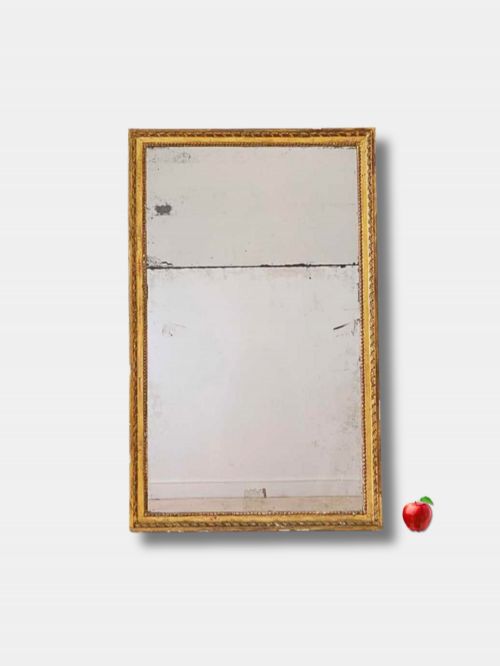


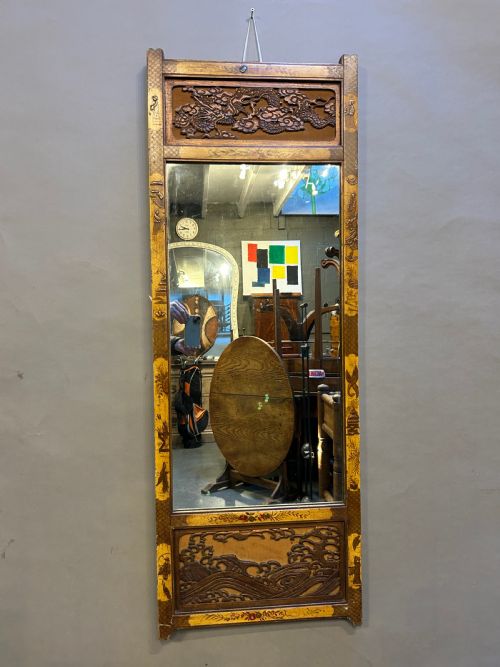

Gilt Framed Trumeau Mirror
A gilt framed trumeau mirror brings together carved woodwork, gilded surfaces and integrated oil paintings or panels to create a grand wall centrepiece.
Gilt Framed Trumeau Mirror
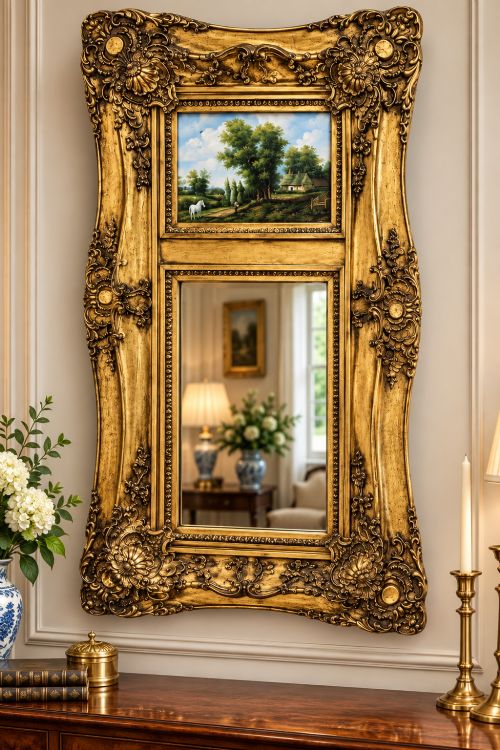
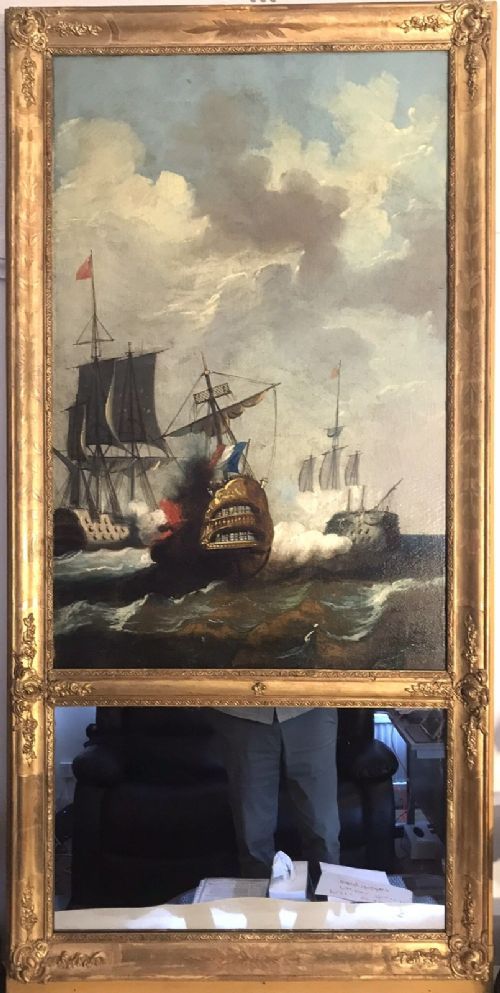
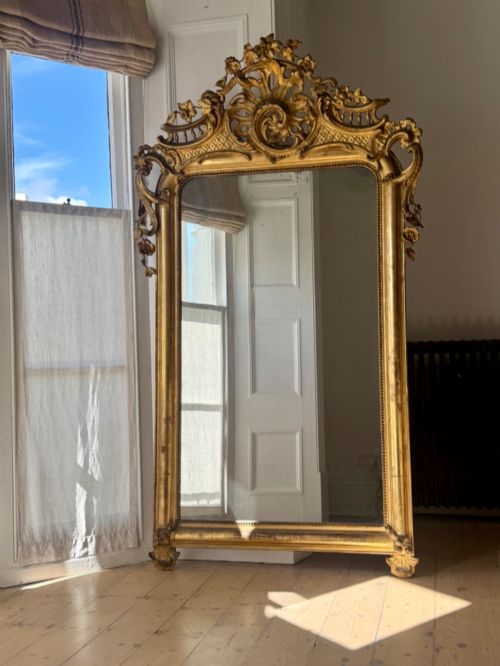
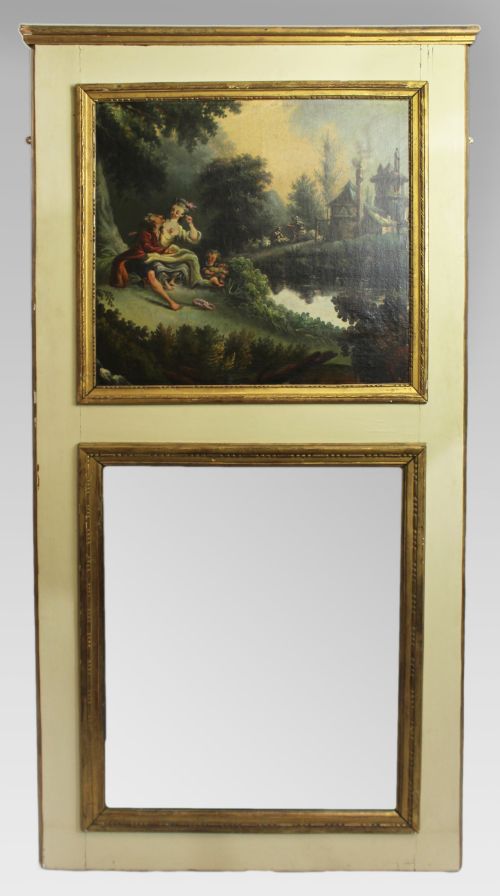
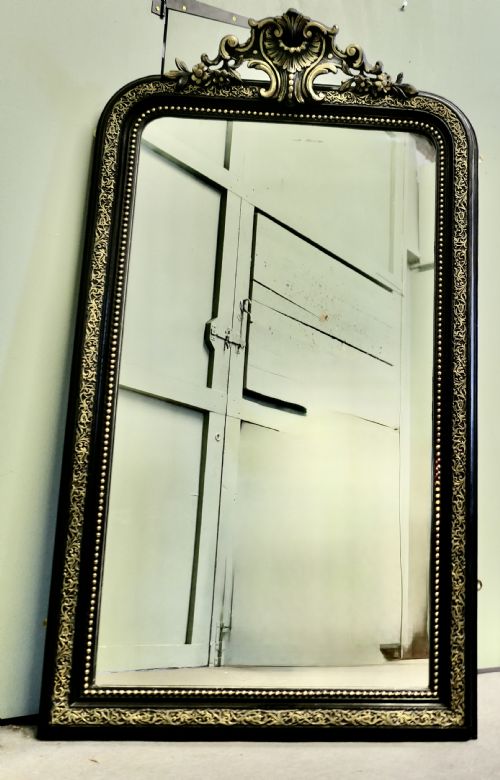
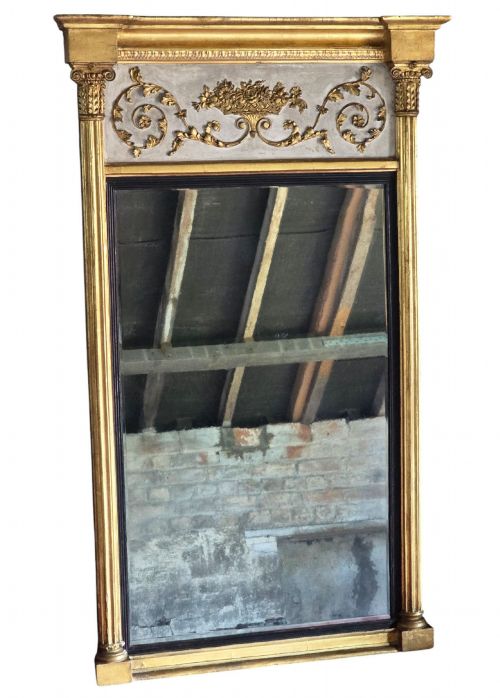
A gilt framed trumeau mirror combines a vertical looking glass with an upper decorative panel, frequently incorporating an oil painting depicting pastoral or marine scenes, or a carved relief panel. These architectural wall fixtures originate primarily from French traditions, spanning periods from the eighteenth century through the nineteenth century, alongside later revival styles.
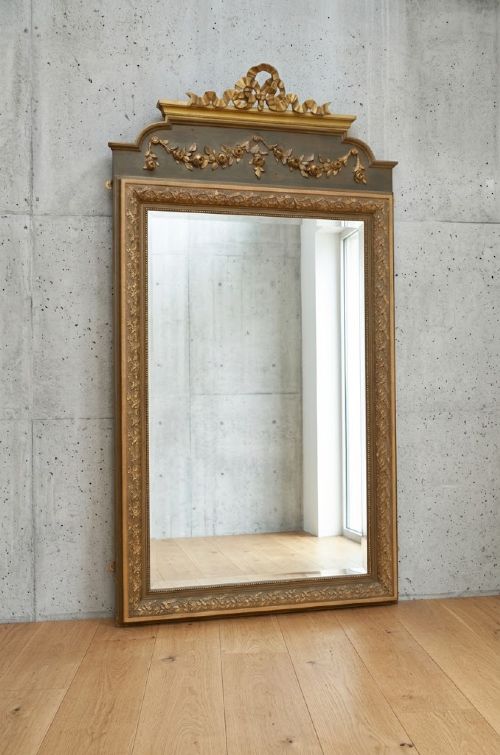
The selections available here lean heavily toward nineteenth century French examples, alongside eighteenth century originals and twentieth century interpretations. Common forms include tall pier mirrors designed for narrow wall spaces between windows, and larger overmantle formats intended for placement above fireplaces.
How they were made
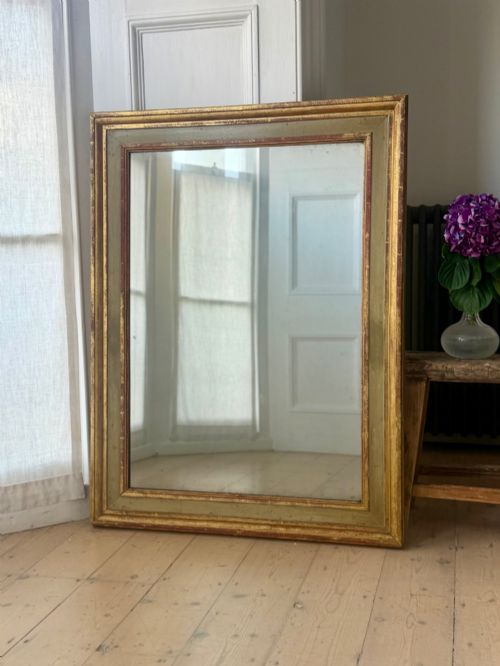
Craftsmen built the structural frames from timber such as wood, applying layers of gesso to create crisp mouldings and carved details before gilding the surfaces with gold leaf or paint. Many examples incorporate original mercury glass plates, identifiable through their characteristic mottled oxidation and deep reflectivity.
Upper panels often contain canvas oil paintings, verre eglomise panels, or decorative relief work depicting classical motifs, floral designs, or figural scenes such as Bacchus and cherubs.
Materials recorded across the inventory include giltwood, gesso, painted wood, canvas, and mercury glass plates.
What varies in quality
The depth and intricacy of the carved wooden and gesso ornament separate standard decorative pieces from exceptional sculptural examples. Hand-carved relief work and well-preserved original gilding demonstrate superior craftsmanship compared to composite mouldings.
The integrity of the internal components also determines value, particularly the presence of an untouched original mercury glass plate and an authentic integrated oil painting rather than a later replacement.
The Gilt Framed Trumeau Mirror Glossary
- Trumeau mirror
- An architectural mirror featuring an upper panel containing a painted scene or decorative carving integrated above the glass plate. This form gained popularity in eighteenth-century French interior design.
- Mercury glass
- A silvered glass type produced by pouring a liquid mercury amalgam between double-walled blown glass before sealing. This technique creates a distinctive speckled mirror plate with mottled dark spots.
- Gesso
- A plaster-like mixture applied to wood frames to provide a smooth base for intricate carved details and subsequent gilding. Artisans mould and shape this material before applying gold leaf.
- Verre eglomise
- A cold decoration technique where artists apply design elements and gold or silver leaf to the reverse side of glass. This creates a mirrored, luminous finish often used in decorative panels.
- Giltwood
- Timber that has been covered with a thin layer of gold leaf or gold paint. This finish provides a bright, reflective surface characteristic of formal period frames.
Gilt Framed Trumeau Mirror: Frequently Asked Questions
Where should I hang a trumeau mirror?
These mirrors suit locations with sufficient vertical wall space, such as between tall windows or above a fireplace mantel.
Their elongated proportions help reflect light into rooms with high ceilings.
What is mercury glass?
Mercury glass refers to double-walled blown glass silvered with a liquid substance between the layers during manufacture.
Over time, this material develops a dark, mottled oxidation that distinguishes antique plates from modern float glass.
Are the paintings original?
Many trumeau mirrors retain their original canvas oil paintings, which typically depict pastoral landscapes, seascapes with galleons, or classical figures.
Some examples feature decorative relief panels or painted wooden inserts instead of canvas artwork.
How do I identify a pier mirror?
Pier mirrors are tall, narrow looking glasses specifically constructed to hang on the wall space between two windows.
They often incorporate candle sconces or console tables designed to sit directly beneath the frame.