


Nineteenth Century Trumeau Mirror
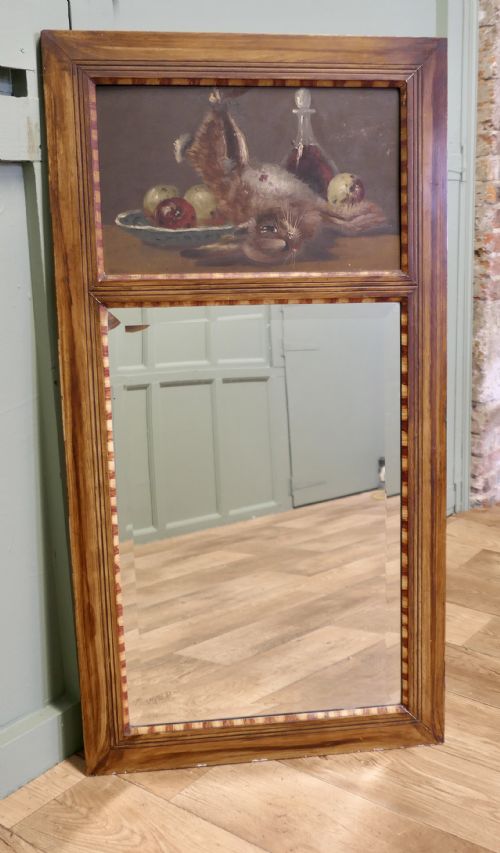
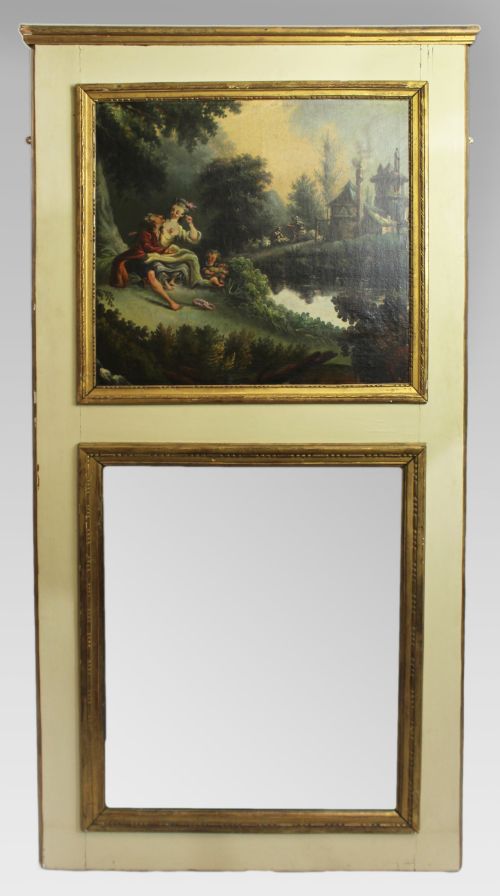
These nineteenth century trumeau mirror pieces are tall wall fixtures combining glass plates with painted panels or prints, sought after for vertical grandeur.
Nineteenth Century Trumeau Mirror
When you search for a nineteenth century trumeau mirror, you encounter tall wall mirrors, pier mirrors, and table mirrors spanning the nineteenth century, Regency, and Victorian periods. The most common format is a tall vertical wall or pier glass designed to fit the wall space between windows.
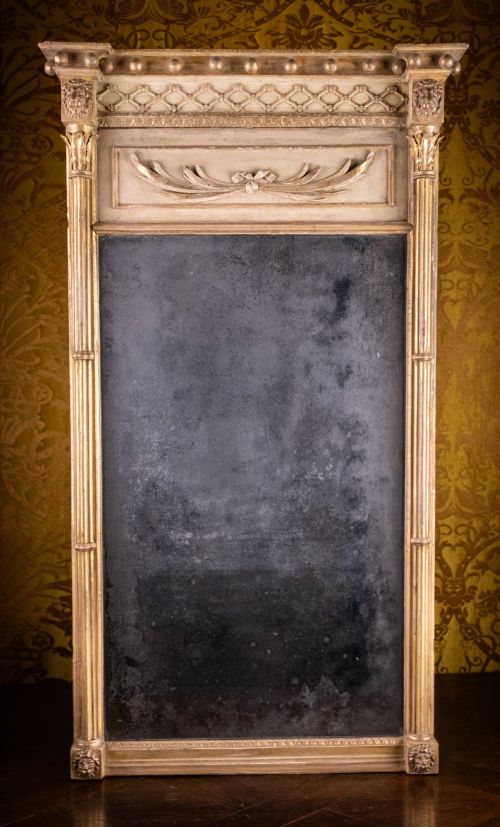
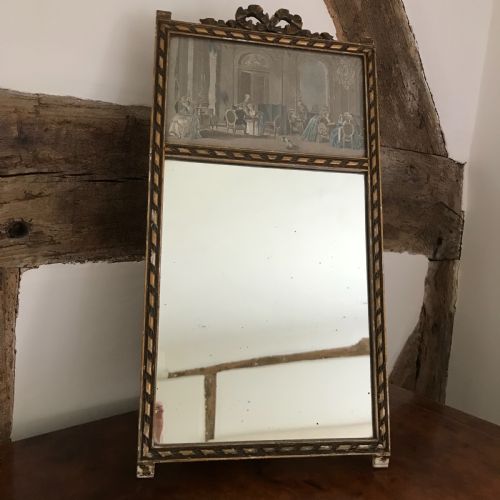
Origins range across French Country, Regency, Grand Regency, French Empire, Louis XVI Style, Louis XV Revival, and Empire aesthetics. Pieces incorporate painted panels, pastoral oil paintings, reverse glass prints, and decorative lion masks to create a formal presence.
Proportions run from standard wall heights to impressive eight-foot constructions. Frames originate in workshops from France, Italy, and Sweden, utilising diverse regional decorative schemes from the era.
Materials and construction
Construction relies on wood frameworks shaped from maple, walnut, and mahogany, finished with painted surfaces or ebonised details. Giltwood, gesso, and gilded wood treatments provide metallic brilliance across the frame mouldings.
Visual interest is added through specialised glazing techniques like verre eglomise and mirror glass plates. Painted oil scenes and reverse glass prints occupy the upper sections above the main reflective glass.
Listings feature periods from the 19th Century, Regency, and Victorian eras, alongside specific dates like 1870 and 1890.
Qualities of craftsmanship
Distinctions in quality rest upon the crispness of the giltwood and gesso carving, particularly around decorative motifs like lion masks. Finer examples display harmonious integration between the upper artistic panel and the lower mirror plate.
The sophistication of the painted elements, whether a pastoral oil painting or a reverse glass print, dictates the visual merit of the piece. Material selection, such as figured mahogany or maple framing, also elevates the stature of the mirror.
The Nineteenth Century Trumeau Mirror Glossary
- Verre eglomise
- A cold decoration technique where design elements are painted and gilded on the rear face of glass. This method produces a reflective metallic sheen with deep visual texture.
- Pier mirror
- A tall vertical mirror specifically built to hang on the narrow wall pier between windows. These mirrors often stand above low console tables or mantelpieces.
- Gesso
- A plaster-like mixture applied to wood frames to create a smooth surface for gilding. Skilled application allows for sharp, intricate relief mouldings.
Nineteenth Century Trumeau Mirror: Frequently Asked Questions
Where should I hang a trumeau mirror?
These tall mirrors suit placement on blank walls or between large windows where their vertical proportions command attention.
Historically, pier mirrors occupied the wall space between windows to reflect incoming daylight back into the room.
What is verre eglomise?
Verre eglomise is a method of applying gold leaf and paint to the reverse side of glass panels.
This technique creates a rich, decorative upper panel above the main mirror glass.
Are these mirrors purely French?
While many examples reflect French Country, Empire, and Louis XVI styles, production extended across other regions.
Listings include Italian walnut pieces and Swedish ebonised designs alongside French works.
What features define an Empire style mirror?
Empire style mirrors often incorporate architectural strength, dark woods like mahogany, and classical motifs.
They carry a formal presence developed during the nineteenth century.