
Gilt Framed Sporting Art
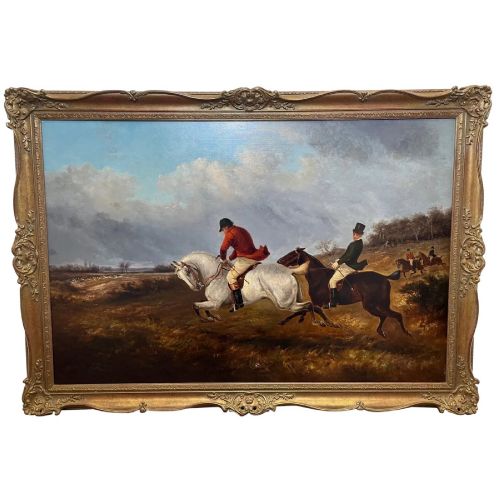
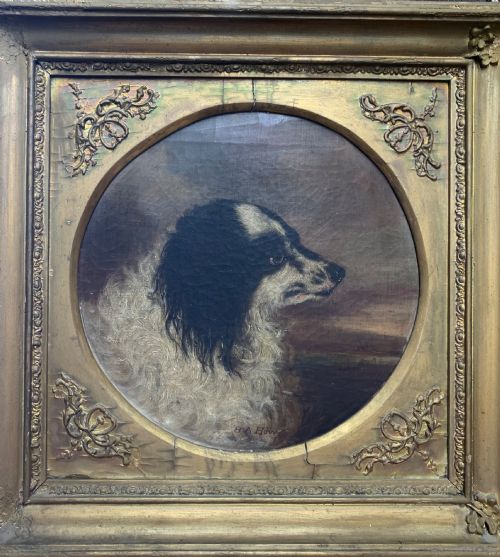
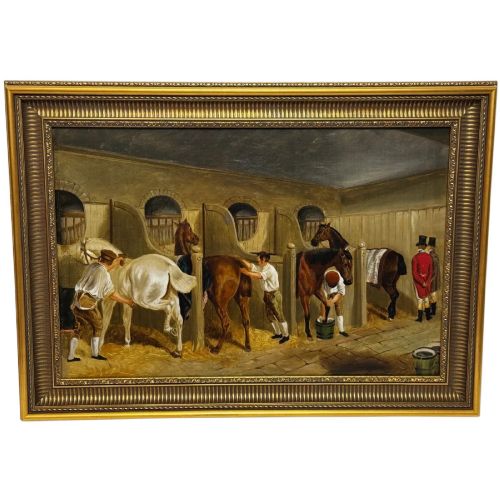
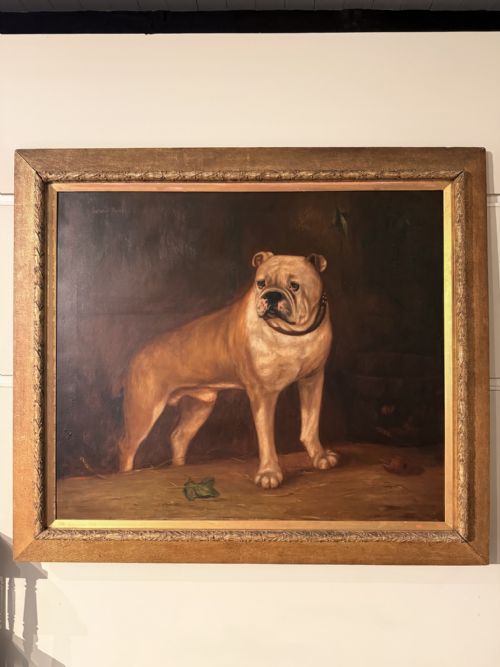
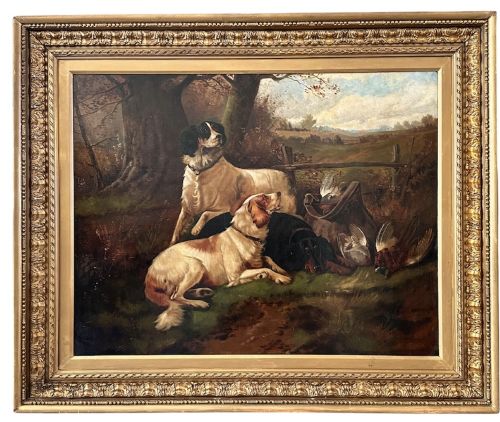
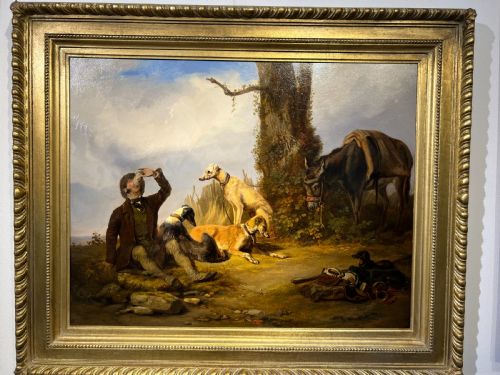
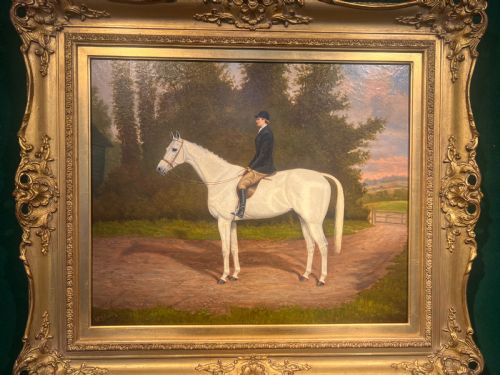
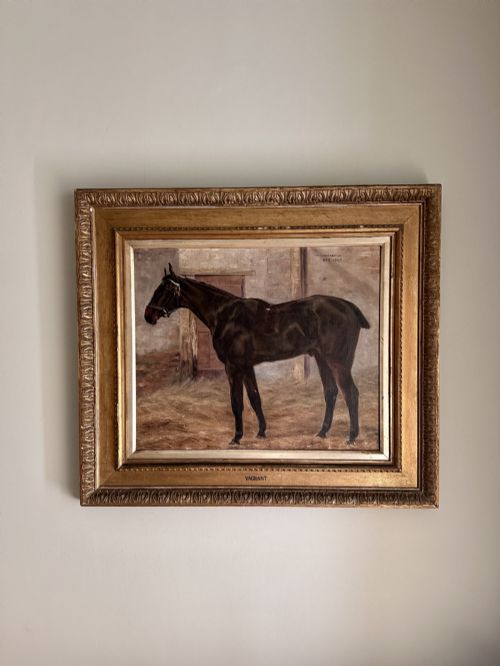
Gilt framed sporting art brings together canvas and country pursuits, capturing horses, hounds and field sports in period frames.
Gilt Framed Sporting Art
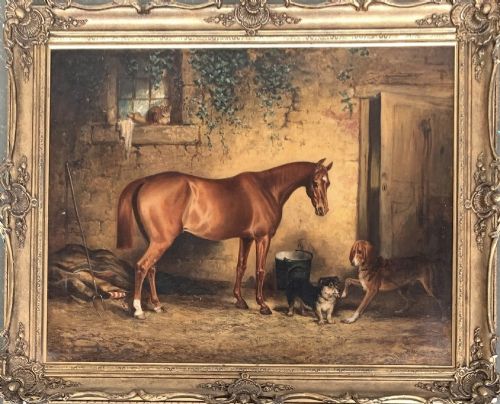
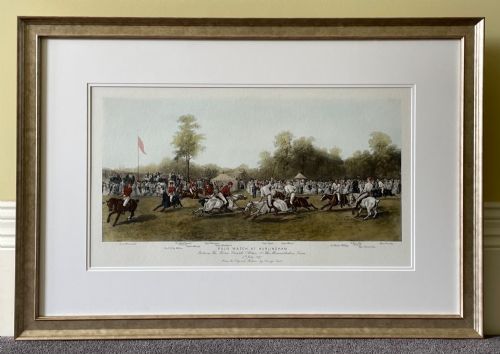
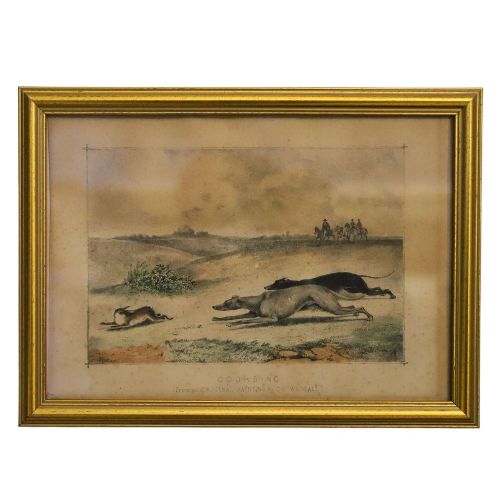
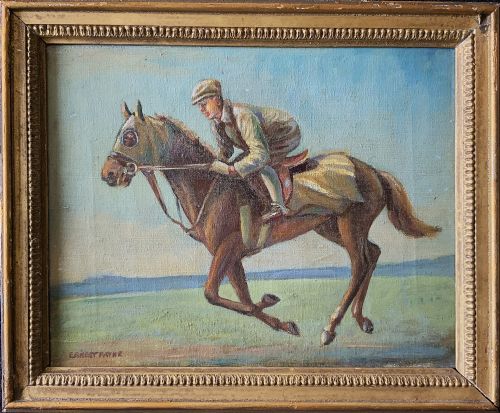
Gilt framed sporting art encompasses oil paintings, watercolours, lithographs and engravings depicting horses, hunting dogs, racehorses and coaching scenes. These works capture the animals and field sports of past centuries through various artistic mediums.
The pieces on this page lean heavily into Victorian and Edwardian works, alongside nineteenth century interpretations of rural life and equine portraits. Oil on canvas works dominate the selection, accompanied by paper prints and watercolours.
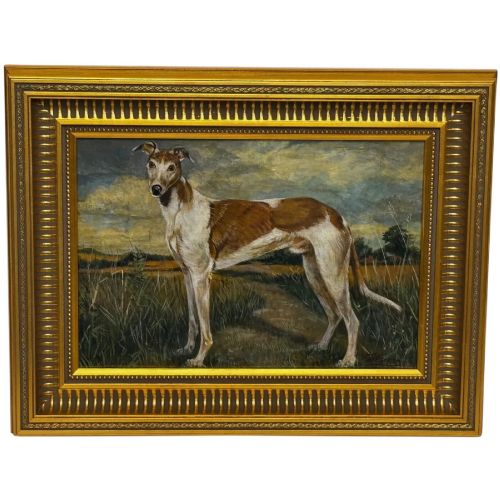
Subjects range from individual dog portraits and racehorse studies to wide hunts and coaching processions. Many carry signatures or attributions to recognised painters of animal and sporting subjects.
How they were made
Artists worked primarily in oil paint upon canvas or applied watercolours and inks to paper for prints and lithographs. The physical support typically consists of wood stretched frames or rigid mounting for paper works.
Mouldings of giltwood or wood finished with gold leaf form the traditional surrounds for these pictures. The frames rely on carved or applied ornamentation, often gilded to catch the light around the artwork.
Listings span from the 1850s to the 1960s, using oil on canvas, wood, giltwood, gold leaf and paper.
What varies in quality
The skill of the draughtsman dictates the anatomical accuracy of horses and hounds, separating competent records from masterly life studies. Handling of light and texture in animal coats and surrounding landscapes also marks out finer canvases.
Frame construction and the preservation of original gilding play a major role in the overall integrity of the piece. Period frames that complement the painting without later alteration retain greater cohesion.
Henry Barraud·George Armfield·Thomas Smythe·Sir Edwin Henry Landseer·Fred Fitzpatrick·C. H. Weigall·Ernest Payne·George Rankin·Philip Rideout·Thomas Walker Bretland·John Frederick Herring Snr·John Emms·Benjamin Blake·John Arthur Lomax·Arthur Wardle·Albert Clark·Gertrude Halsband·George Wright·Basil Nightingale·William Barraud·Edward Lloyd of Ellesmere
The Gilt Framed Sporting Art Glossary
- Giltwood
- Wood that has been treated with gold leaf or metallic gilt coating. This material provides the bright decorative borders characteristic of traditional picture framing.
- Lithograph
- A print made from a stone or metal plate using a chemical process that repels water and holds ink. This technique allowed multiple reproductions of sporting scenes.
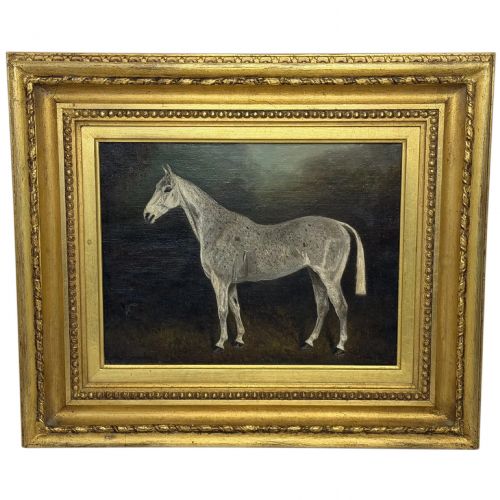
- Equine portrait
- A painting or drawing focused primarily on a specific horse, often recording a notable race winner or hunter. These works frequently document named animals with detailed provenance.
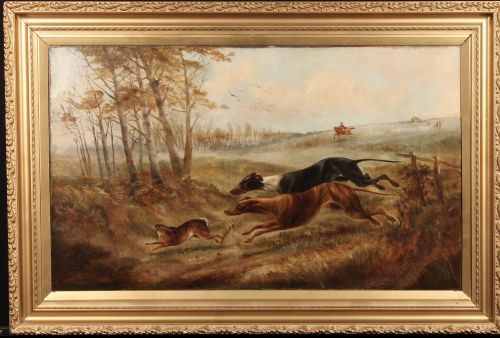
- Hare coursing
- A traditional field sport involving hounds chasing hares by speed and sight. It appears as a frequent narrative subject in nineteenth century sporting prints and paintings.
- Provenance
- The documented history of ownership and origin of an artwork. This trail connects a painting to past estates, galleries or specific collections.
Gilt Framed Sporting Art: Frequently Asked Questions
What subjects appear most often?
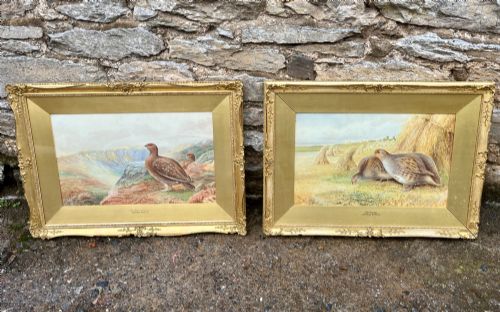
Horses and dogs dominate the imagery, appearing as individual portraits, hunting packs or racing participants. Coaching scenes and game birds also feature frequently across the selection.
These subjects reflect the country pursuits and rural interests popular during the Victorian and Edwardian eras.
Are these works original paintings?
The selection includes a mix of original oil paintings, watercolours, lithographs and engravings. Each listing specifies whether the piece is a hand-painted canvas or a period print.
Original works showcase the brushwork of individual artists, while prints offer traditional reproductions of popular sporting subjects.
How do I date a piece?
Dates often appear within the title, artist lifespan or recorded creation year provided by the dealer. Stylistic clues and framing techniques also help place pieces within the nineteenth or mid twentieth century.
Many works carry specific decade markers ranging from the 1830s through to the 1960s.
How should I hang these artworks?
These pieces suit traditional wall placements where the gilt frame can catch natural light. Pairing smaller animal portraits or grouping coaching scenes together creates a strong visual display.
Ensure the hanging fixings match the weight of the wooden frames and canvas supports.