
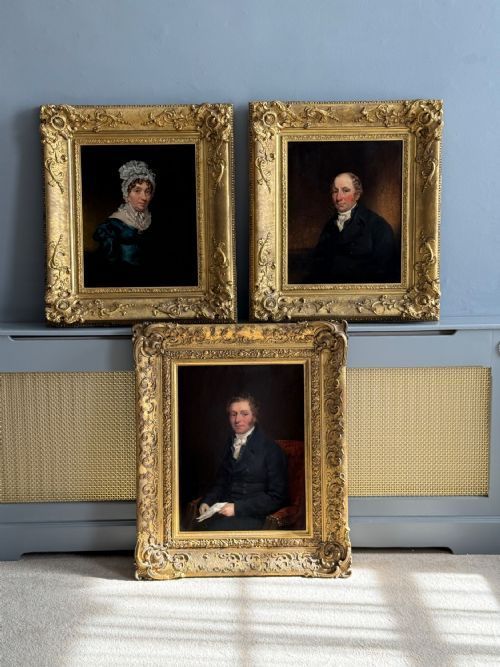
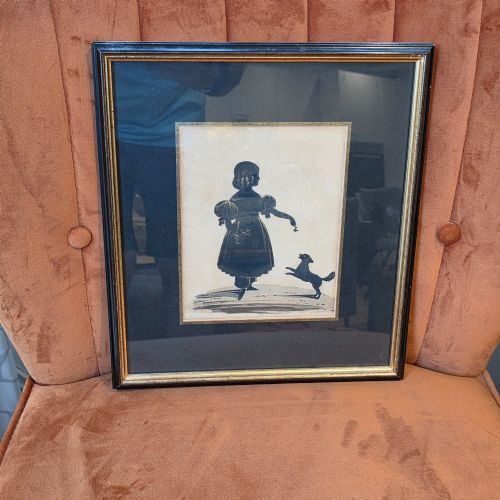
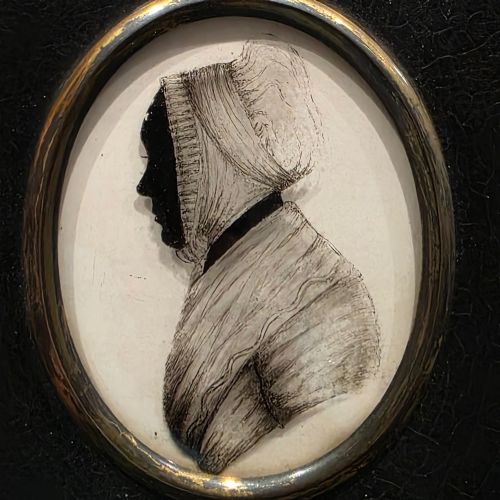
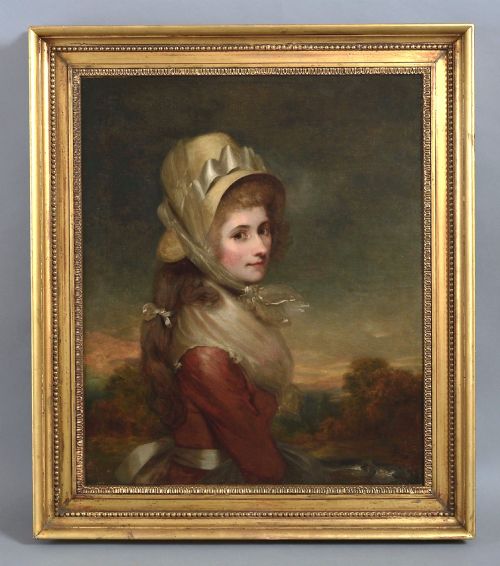

Gilt Framed Regency Portraits
Gilt framed regency portraits capture the distinctive character of the period through oils, watercolours, and silhouettes housed within polished metallic surrounds.
Gilt Framed Regency Portraits
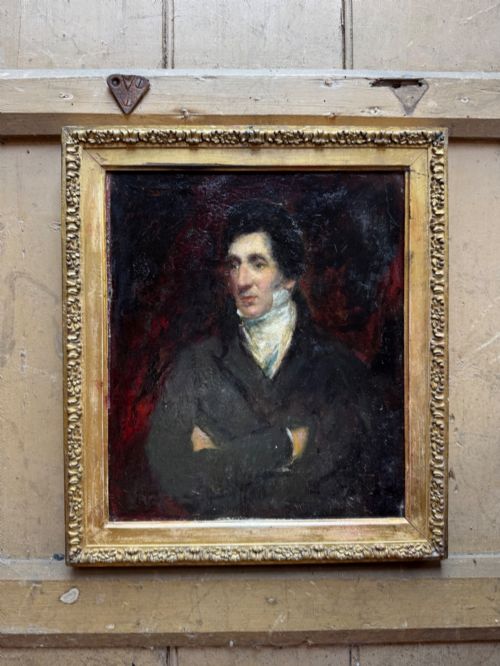
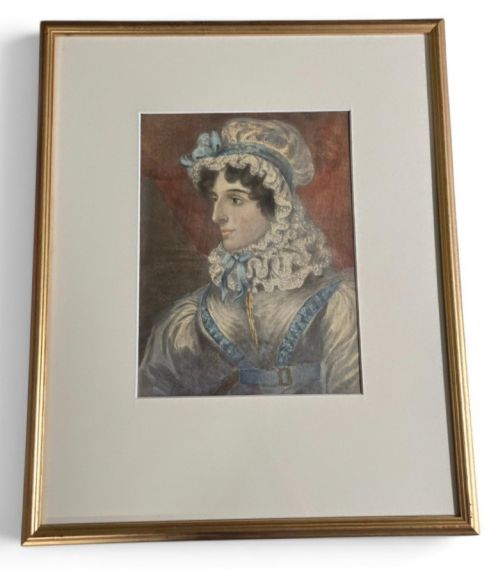
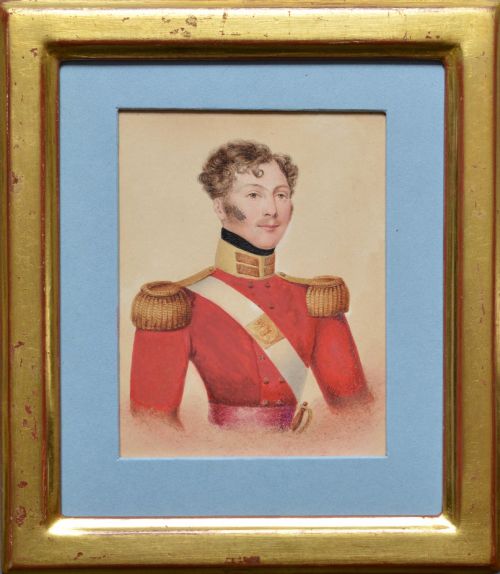
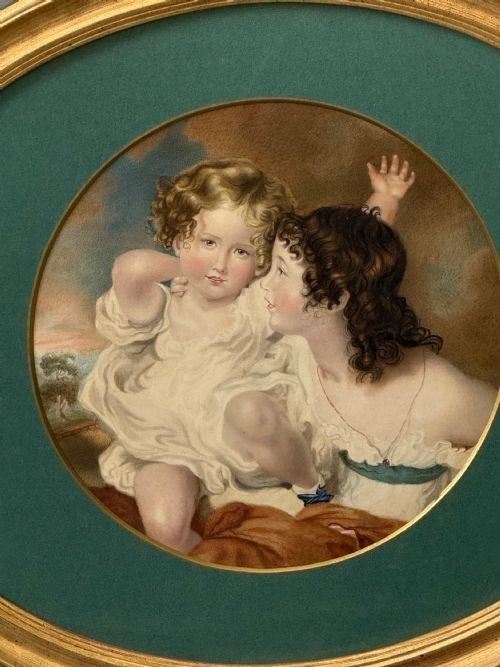
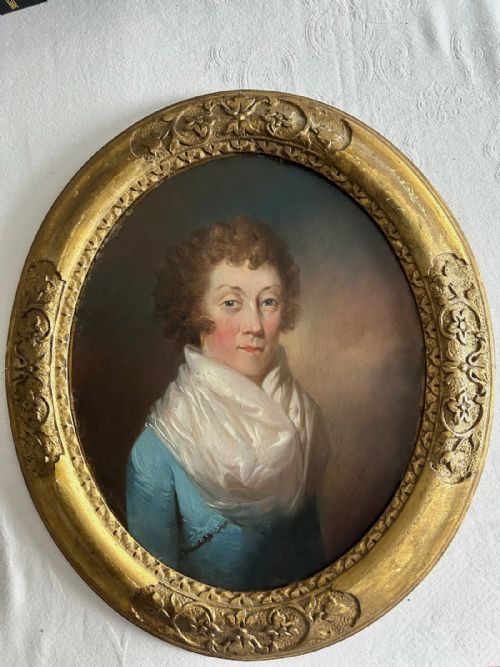
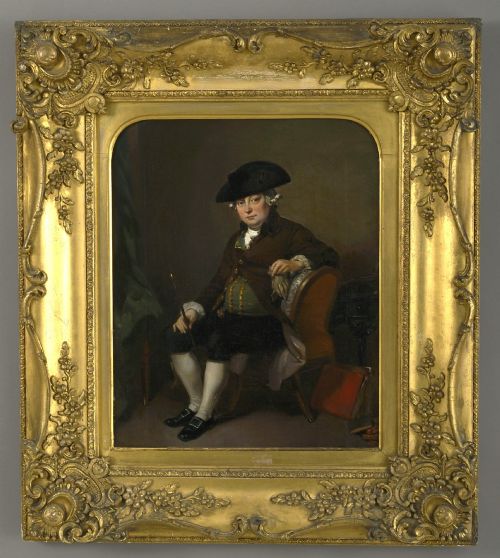
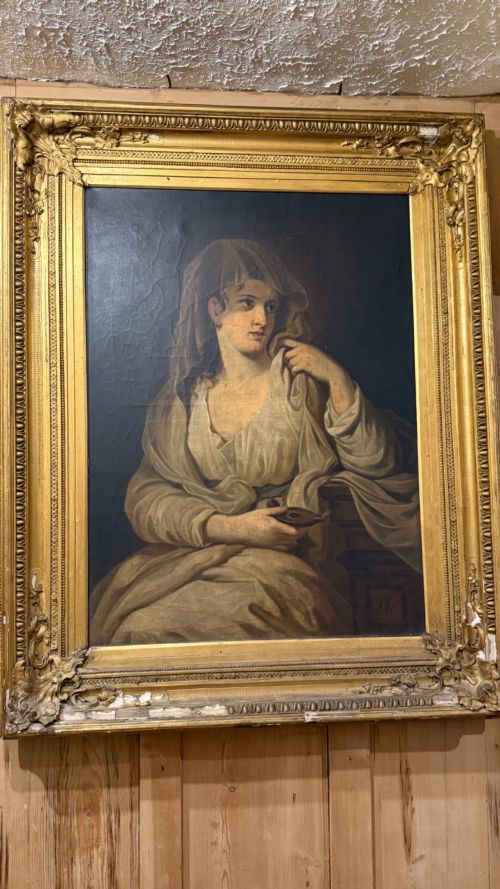
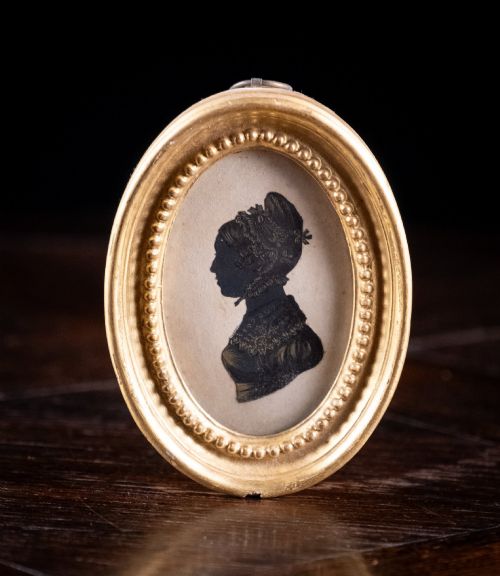
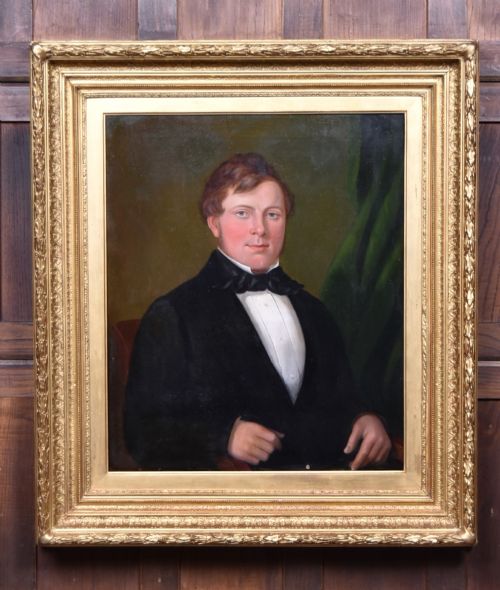
When browsing gilt framed regency portraits, collectors encounter oil paintings on canvas and panel, delicate watercolours, and profile silhouettes from the Georgian and 19th Century eras. These works range from intimate portrait miniatures of officers and ladies to large canvases depicting notable figures.
The most common pieces on this page are 19th Century watercolours and oil paintings housed in period wooden frames finished with gold leaf. Subjects include military officers, children, actors, and members of landed families rendered in neoclassical and realist styles.
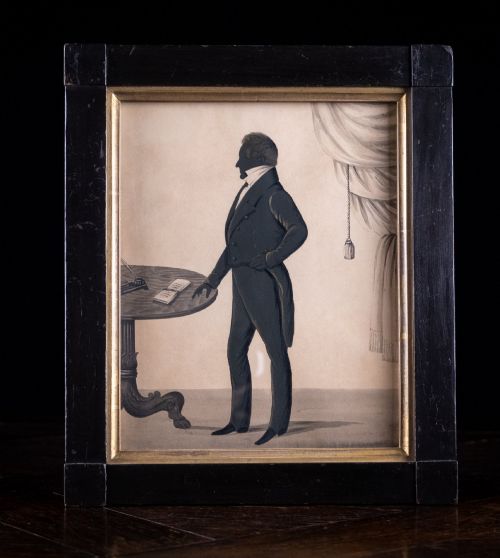
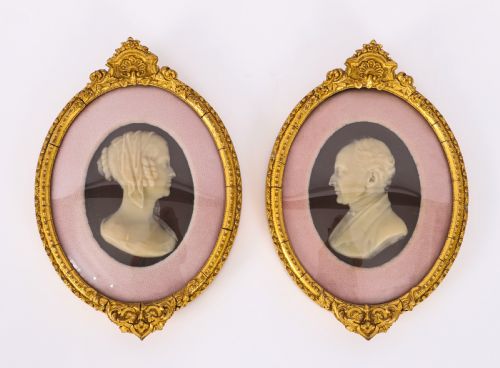
Buyers also find cut paper silhouettes and wax relief portraits that reflect the diverse visual arts of the Regency epoch. These varied formats provide a comprehensive view of portraiture from the late 18th Century through the mid-19th Century.
Materials and construction
Makers applied oil paints to canvas and wooden panels or worked with watercolours and pastel on paper, often protected beneath glass. Silhouettes combined cut paper with watercolour highlights, while other pieces utilised moulded wax relief inside timber surrounds.
Frames consist of wood substrates treated with gesso before receiving layers of gold leaf or giltwood finishes. Glazing methods varied from simple flat glass to convex bubbles on portrait miniatures designed to protect the delicate pigments underneath.
Listings feature works in oil, watercolour, pastel, wax relief, and cut paper across 18th and 19th Century periods.
Factors determining quality
Quality rests upon the skill of the execution, from the subtlety of facial modelling in oil and watercolour to the precision of the knife work in cut paper silhouettes. Works attributed to named artists or documented schools display superior handling of light, proportion, and psychological depth.
The integrity of the original gilt frame contributes significantly to the piece, particularly where period gilding and joinery remain undisturbed. Condition issues such as paint flaking, foxing on paper, or replaced framing materials alter the overall standing of an artwork.
Joseph Clover RA·William James Hubard·Sir Martin Archer Shee·James Sharples·John Russell RA·John Opie RA·James Howe·Adam Buck·George Watson
The Gilt Framed Regency Portraits Glossary
- Silhouette
- A profile portrait filled in with a solid colour, most often cut from black paper or painted on card or glass.
- Giltwood
- Timber carved and coated with gold leaf or metallic powder to create a bright, reflective surface on picture frames.
- Portrait miniature
- A small, highly detailed painting executed on ivory, vellum, or card, intended for intimate display or personal wear.
- Gesso
- A plaster mixture applied to wooden frames as a smooth base before the application of gold leaf.
- Regency
- The period from 1811 to 1820, characterised by neoclassical aesthetics, though the style often extends across the broader early 19th Century.
Gilt Framed Regency Portraits: Frequently Asked Questions
What periods do these portraits cover?
The selection spans from the late 18th Century through the Georgian and Regency eras into the mid-19th Century.
Most items date from the early 1800s, reflecting the neoclassical taste of the Regency period.
Are the frames original to the art?
Many works retain their period giltwood or rosewood frames, which match the aesthetic of the painting date.
Some pieces have been reframed over time using compatible period mouldings to protect the artwork.
What subjects appear most frequently?
Portraits depict military officers, Regency gentlemen, ladies in bonnets, children, and theatrical performers in character.
Many subjects represent identified historical figures or members of British regiments.