
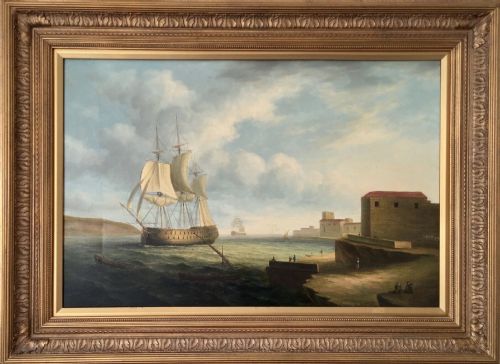


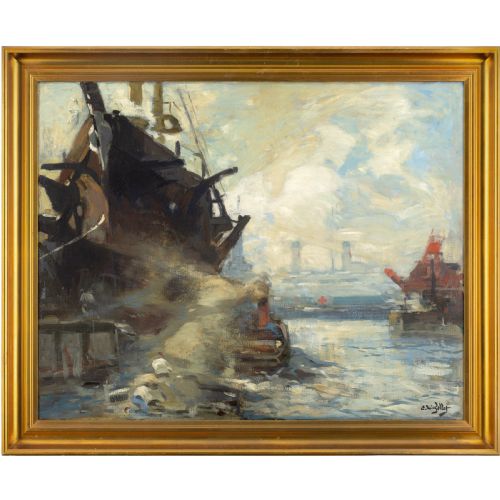
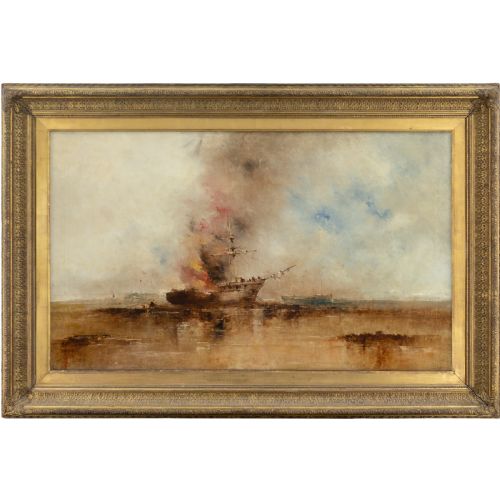
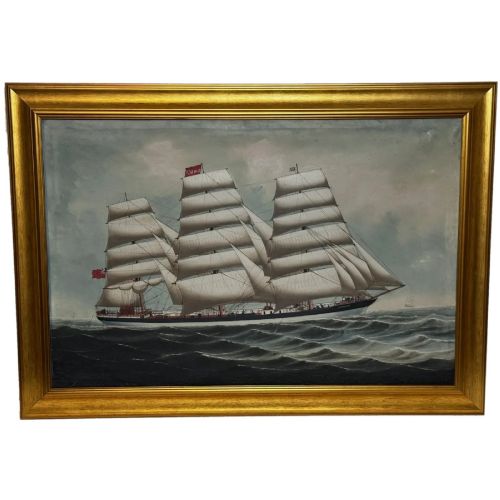

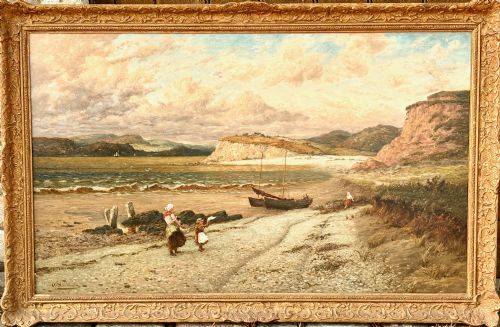
Gilt Framed Marine Art
Gilt framed marine art brings the motion of the open sea and coastal harbours into a room through historic depictions of ships and coastal views.
Gilt Framed Marine Art
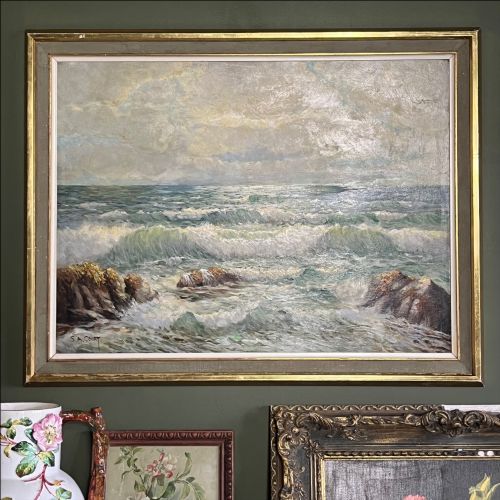
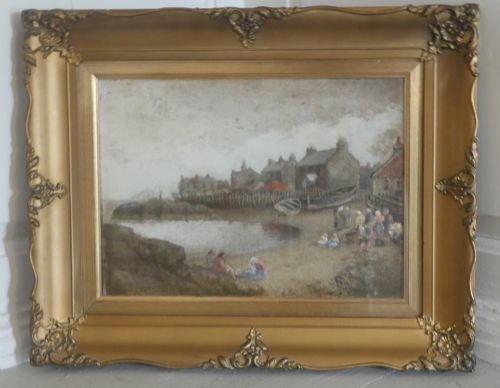
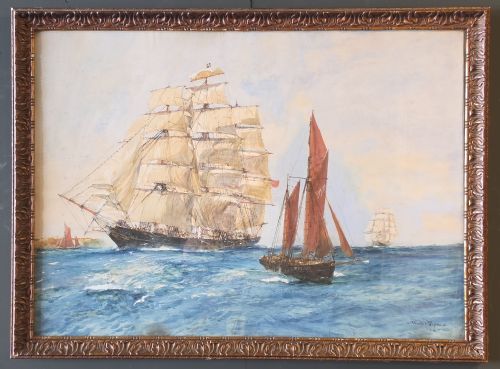
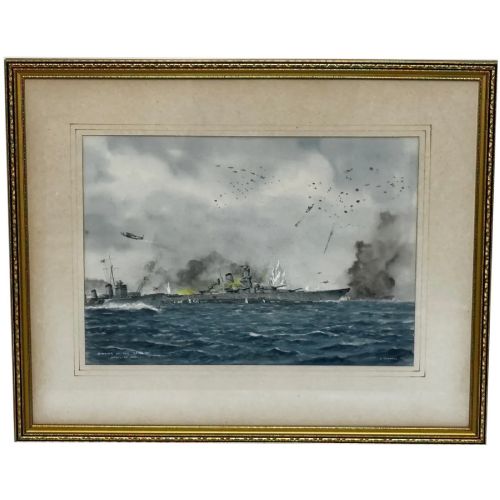
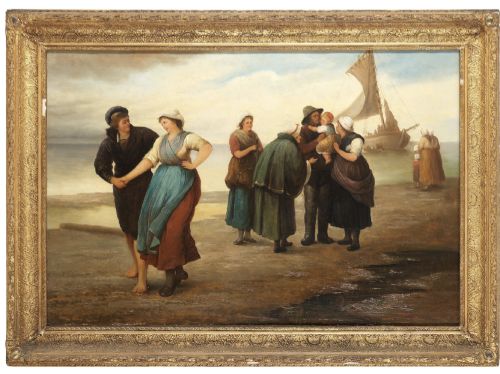
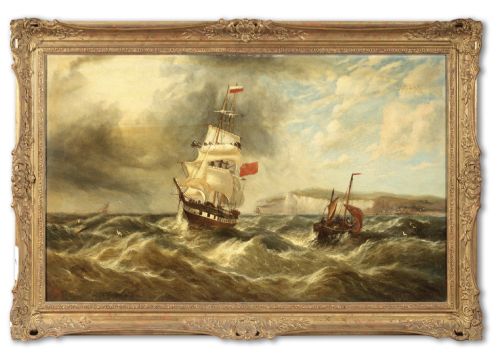
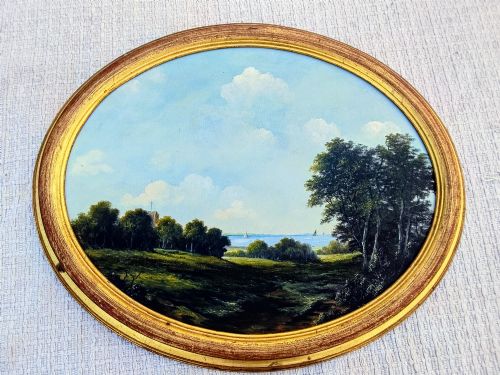
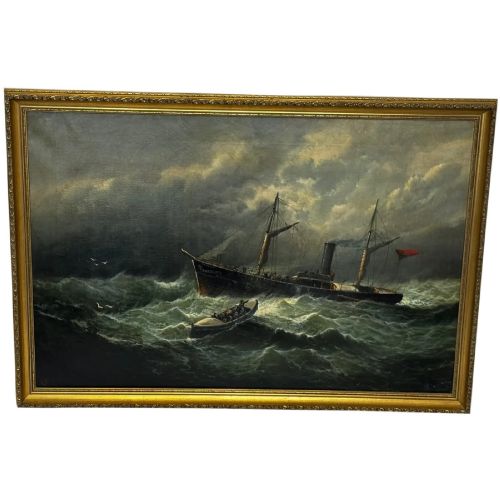
When you search for gilt framed marine art, you encounter historical oil paintings, watercolours, and works on board depicting ships, harbours, and seascapes. These works span the nineteenth century, the Victorian era, and into the twentieth century, presenting naval vessels, rescue scenes, and quiet coastal inlets.
The most common formats on this page are nineteenth-century oil paintings on canvas or panel and watercolours housed within decorative gilt wood frames. Subjects range from dramatic shipwrecks and stormy gales to calm river canals and en plein air coastal views.
How they were made
Artists painted these marine scenes utilising oil paint on canvas, board, and panel, or applied watercolour to paper. Canvases were stretched across wooden frames, capturing maritime subjects with varied brushwork.
The accompanying frames are constructed from wood finished with gilt or giltwood, adding reflective brilliance around the edge of the painting.
Gilt Framed Marine Art Retail Price Guide 2026
Typical asking prices for gilt framed marine art among the pieces listed under this phrase on Sellingantiques today, from the lower quarter to the upper quarter. They describe what is for sale here now, not the wider market.
Listings feature wood, oil on canvas, paper, and giltwood applied to Victorian maritime art and nineteenth-century marine oil paintings.
What varies in quality
Quality in these maritime works rests on the artist's handling of light, water movement, and atmospheric tension within the composition. Masterly depictions convey the heavy weight of ocean swells and accurate rigging on vessels, whereas lesser works remain stiff and formulaic.
The craftsmanship of the gilt frame also influences the overall piece, with deeply moulded, ornate wooden surrounds showing superior artistry compared to plain or later replacements.
Eugène-Louis Gillot·William McAlpine·Reginald Arthur Borstel·Sidney A Court·Edward Mills·Charles Edward Dixon·Eric Tufnell·William Banks Fortescue·John Rose Miles·William Broome·Bonaventura Peeters·Peter Brannan·Francis Moltino·Bernard Benedict Hemy·Thomas Creswick·Willem Bos·John Wilson Carmichael·Joseph Farquharson·John Moore of Ipswich·Nicholas Condy·Richard B Spencer·William Henry Williamson
The Gilt Framed Marine Art Glossary
- Giltwood
- Wood carved and coated with gold leaf or a gold-coloured metallic finish. This material forms the ornate frames typical of traditional marine paintings.
- En plein air
- Painting outdoors to directly capture natural light and atmospheric conditions. This technique appears in coastal scenes where artists recorded real-time weather and sea states.
- Seascape
- A work of art depicting the sea, coast, or marine vessels. These compositions form the core subject matter of maritime collections.
- Provenance
- The documented history of ownership for a piece of art. Clear provenance helps verify the origin and authenticity of older paintings.
Gilt Framed Marine Art: Frequently Asked Questions
What periods do these paintings come from?
The collection spans the nineteenth century, the Victorian era, and twentieth-century modern movements. Artists worked across these decades to record evolving maritime technology and coastal life.
Earlier nineteenth-century pieces often depict dramatic tall ships and historic naval engagements, while later twentieth-century examples lean towards impressionistic coastal views.
How do I hang a heavy gilt frame?
Gilt wooden frames carry considerable weight due to their dense timber construction and decorative mouldings. Secure fixings driven directly into wall studs provide the necessary support.
Using picture wire rated well above the weight of the artwork ensures the piece hangs safely without shifting over time.
Are the frames original to the paintings?
Many works retain their period gilt frames, which age synchronously with the canvas or panel. Matching wear patterns often indicate an original pairing.
Other pieces have been reframed at later dates to suit changing interior tastes while still providing the classic gold-leaf presentation.
How should I clean a gilt frame?
Dust accumulation on ornate giltwood requires gentle removal with a soft, dry brush to protect the delicate metallic leaf. Avoid liquid cleaners and chemical sprays entirely.
Moisture can strip the gilding or damage the underlying wood, so dry maintenance remains the safest approach for antique frames.