
Gilt Frame Pier Mirror
A gilt frame pier mirror brings vertical elegance and reflected light to a room, historically hung between windows or above mantelpieces.
Gilt Frame Pier Mirror
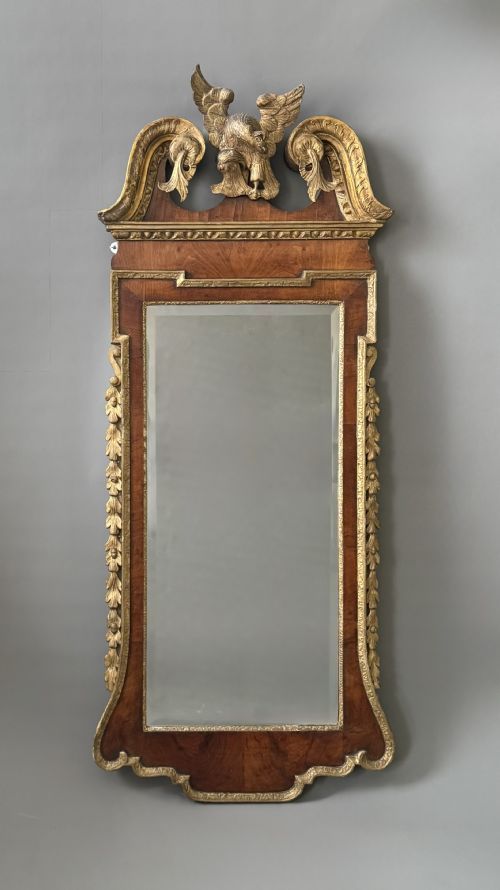
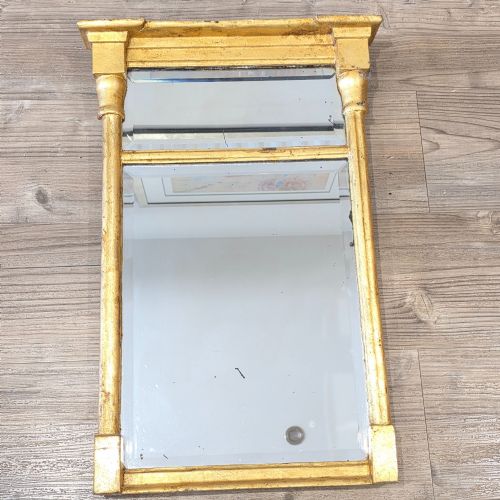
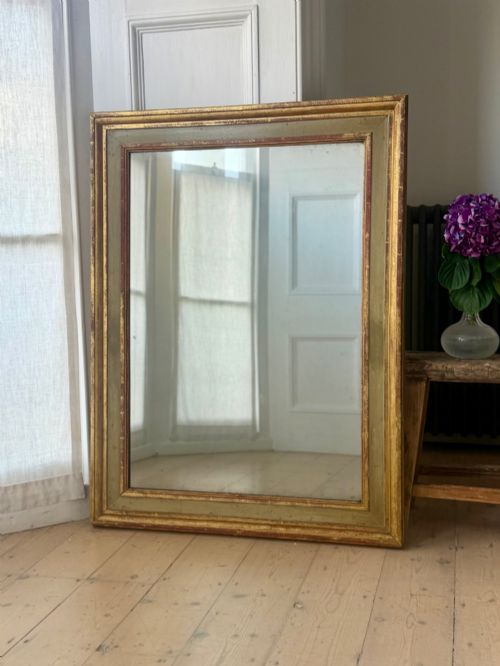
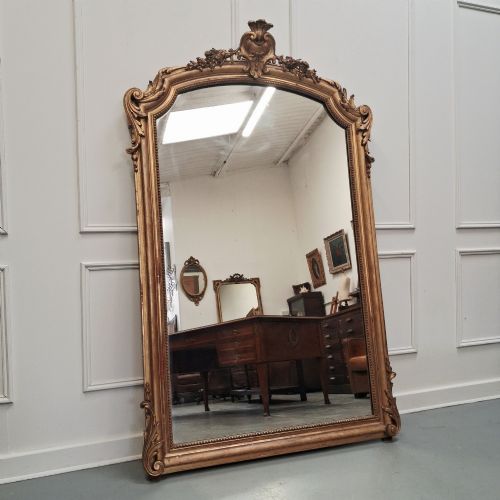
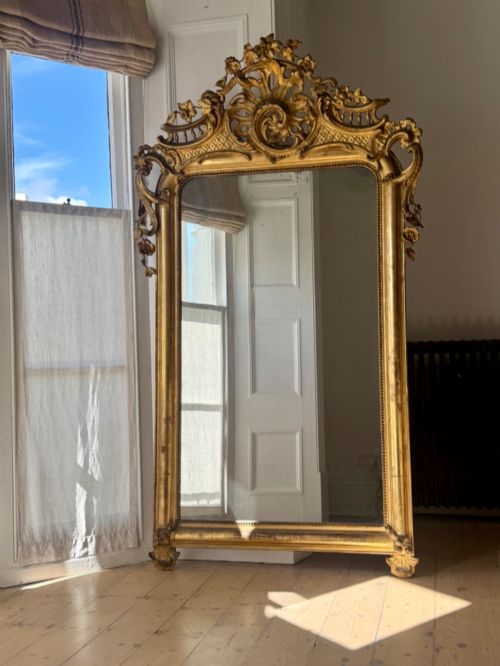
A gilt frame pier mirror is a tall, narrow wall-hanging glass designed to occupy the architectural wall space between two windows, known traditionally as the pier. These objects date across the eighteenth and nineteenth centuries, taking influences from Georgian, Regency, and French Rococo aesthetic traditions.
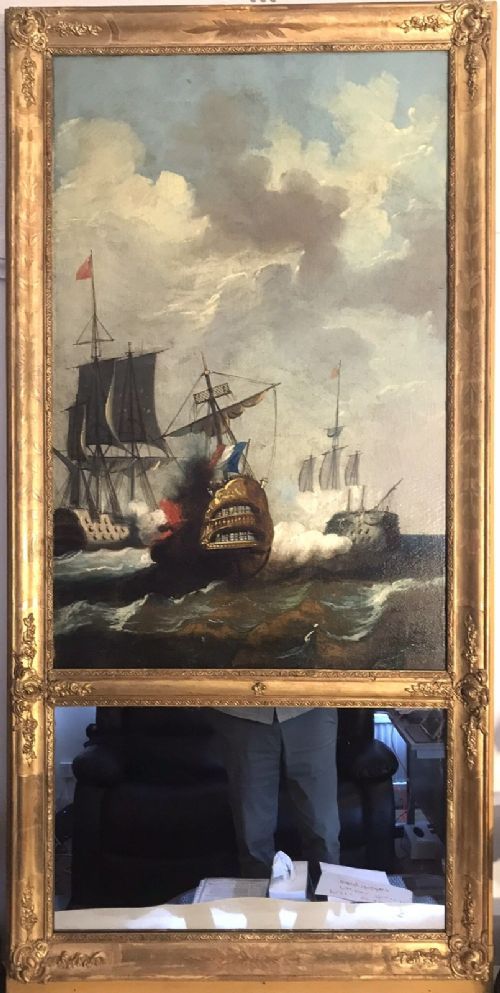
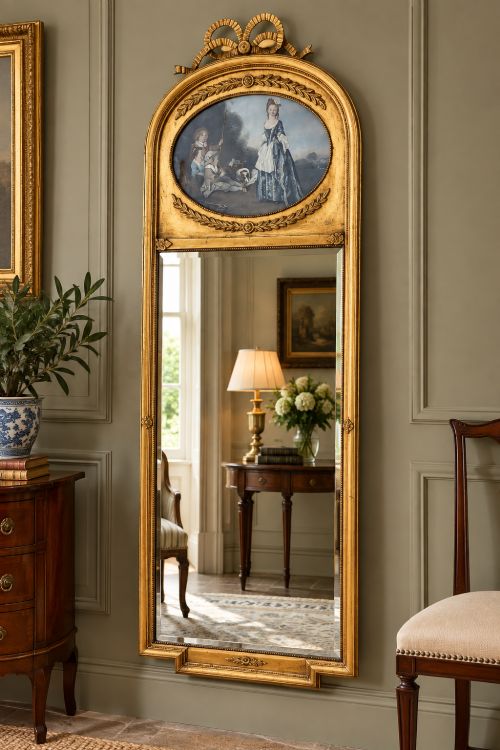
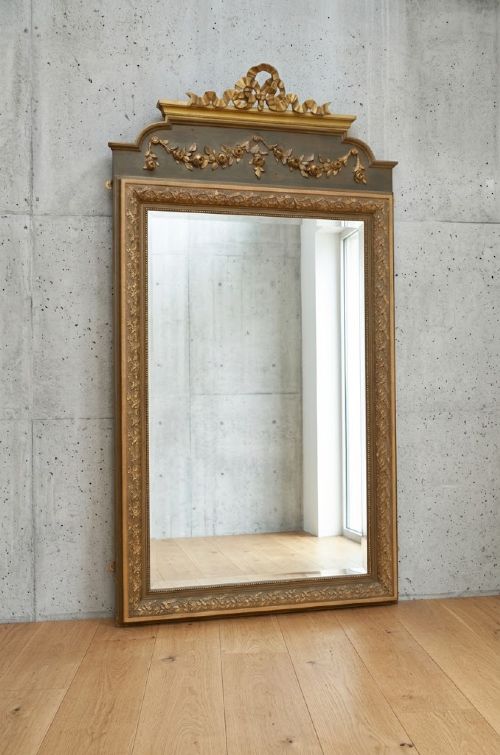
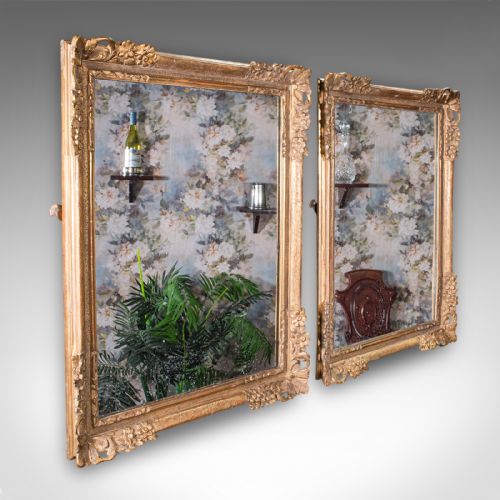
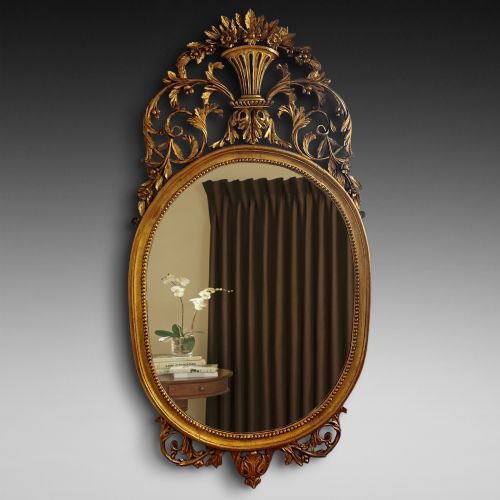
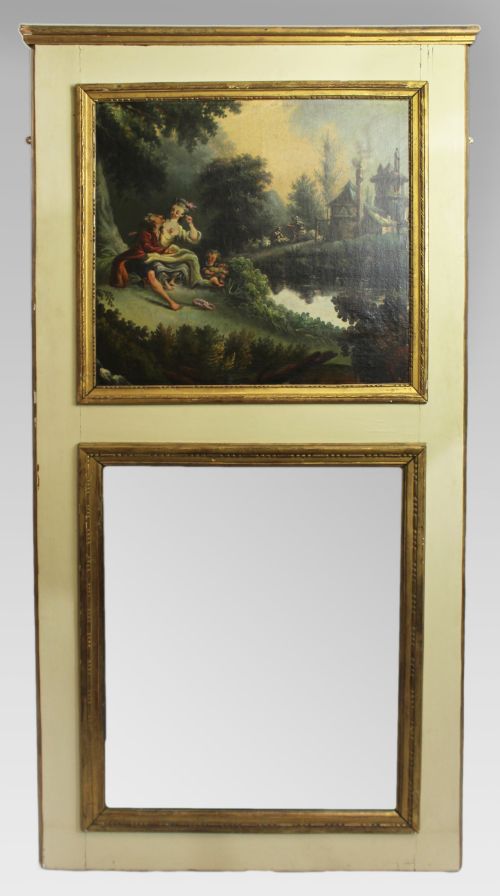
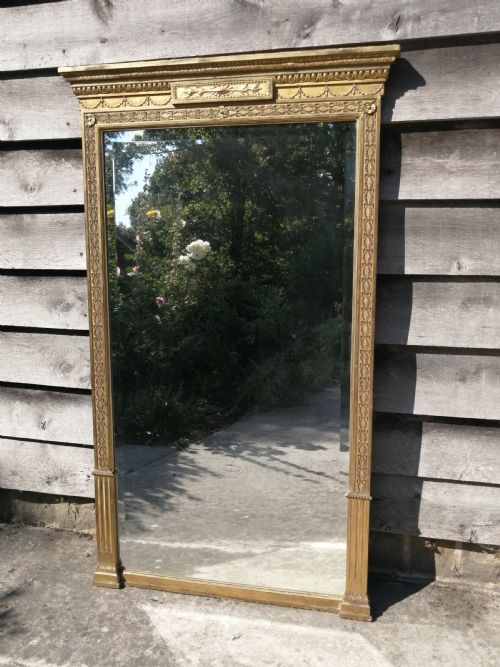
The versions most frequently met on this page span the nineteenth century, including grand French trumeau examples with integrated oil paintings and robust English or Italian giltwood designs. Makers often constructed these pieces to maximise natural light in formal reception rooms.
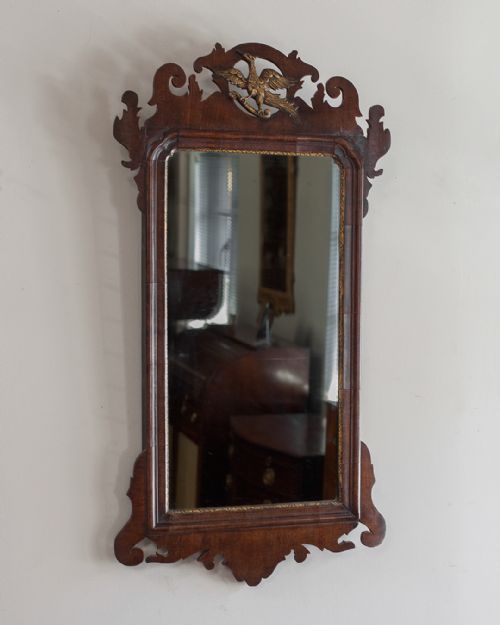
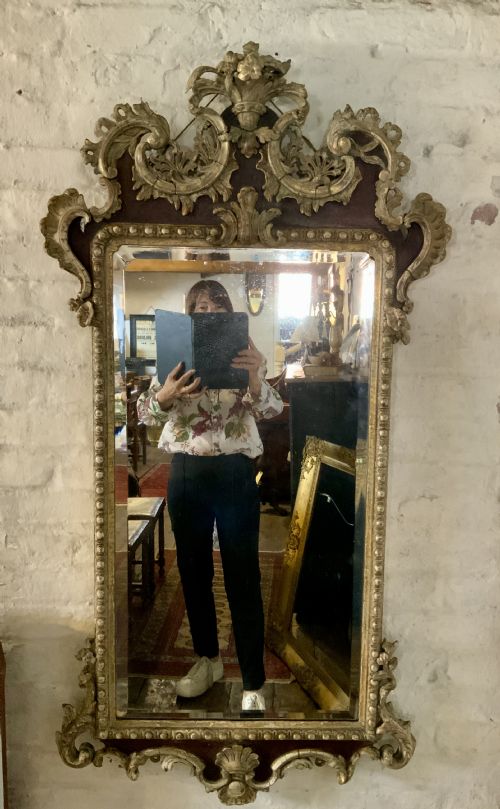
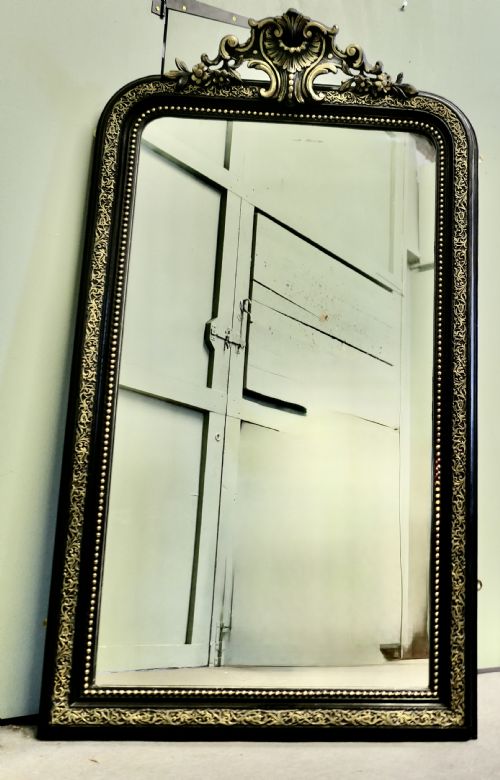
Surviving examples range from modest domestic dressing mirrors to towering architectural statements featuring ebonised details, parcel-gilt walnut, and intricate gesso ornaments. Collectors encounter both original mercury glass plates and later replacements fitted within the historical timber frames.
Materials and construction methods
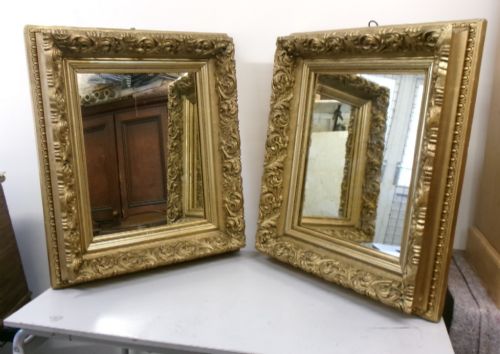
Carved timber frames form the primary structural support, utilising woods such as pine, oak, walnut, and mahogany beneath the decorative surface layers. Craftsmen applied multiple coats of gesso, a fine plaster mixture, directly onto the wood to build up relief details and floral motifs before gilding.
Finishing involved the application of genuine gold leaf or metal leaf, burnished to achieve a brilliant metallic sheen, sometimes contrasted with painted wood or ebonised highlights. Early glass plates were silvered using mercury or hand-blown methods, resulting in characteristic minor imperfections and soft reflections.
Several mirrors retain maritime oil paintings of galleons tossed at sea, transforming a simple reflection into an epic nautical voyage.
Assessing craftsmanship and condition
Quality rests primarily in the crispness of the hand-carved wood and gesso ornamentation, where deep, undercut foliage distinguishes superior workshops from moulded plaster substitutes. The integrity of the original gilding and the presence of period mirror plates further elevate an object's status.
Structural stability matters significantly, as tall frames bear considerable weight and joints can weaken over decades. The survival of secondary elements, such as original backboards, parcel-gilt accents, and inset pastoral oil paintings on trumeau panels, indicates a well-preserved piece.
John Belchier·William Kent
The Gilt Frame Pier Mirror Glossary
- Pier glass
- A large mirror specifically made to hang on the narrow pier of wall between two windows. It often reflects additional daylight into darker interiors.
- Gesso
- A plaster mixture applied to wood frames as a base for gilding. Skilled carvers incised and moulded this surface into intricate decorative reliefs.
- Parcel-gilt
- Partially gilded woodwork where specific carved details or mouldings are highlighted in gold leaf against a contrasting painted or polished wood background.
- Trumeau
- An architectural wall panel containing a mirror combined with an upper oil painting or decorative carving. These French pieces frequently incorporate pastoral scenes.
- Mercury glass
- An early mirror-making technique using a tin and mercury amalgam poured behind the glass plate. This process creates a characteristic mottled, cloudy reflection.
Gilt Frame Pier Mirror: Frequently Asked Questions
Where should I hang a pier mirror?
Traditionally, these mirrors hang on the narrow wall space between two windows, where they bounce natural daylight back into the centre of a room.
They also sit comfortably above mantelpieces or console tables, where their tall proportions add a sense of height to rooms with high ceilings.
How do I identify original mercury glass?
Original mercury glass displays a characteristic soft, speckled appearance with subtle dark spots and a slightly warmer reflection than modern silvered glass.
Examining the edges and the reverse reveals the aged backing, distinguishing authentic historic plates from later twentieth-century replacements.
How do I care for antique gilding?
Dust the giltwood frame gently using a soft, dry brush to prevent accumulating dirt from settling into the delicate gesso and carved crevices.
Avoid liquid cleaners, chemical sprays, and direct sunlight, as moisture and UV exposure degrade historic gold leaf and underlying plaster.