


Gilt Frame Landscape Art
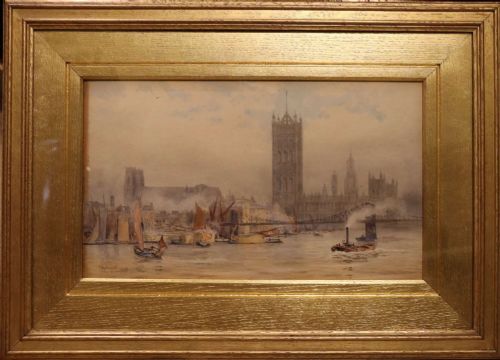
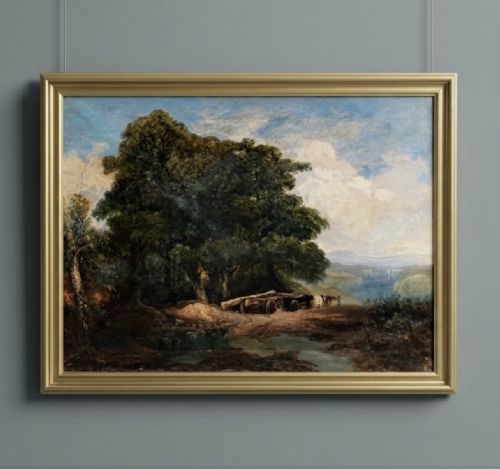
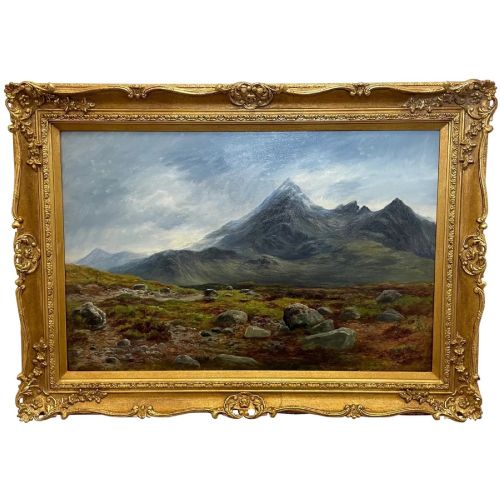
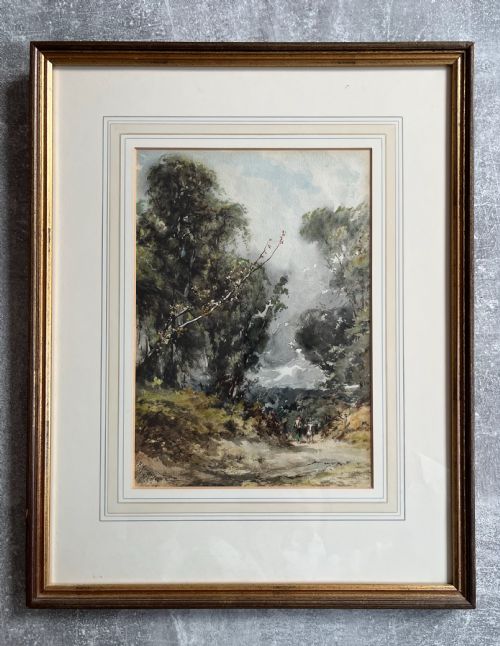
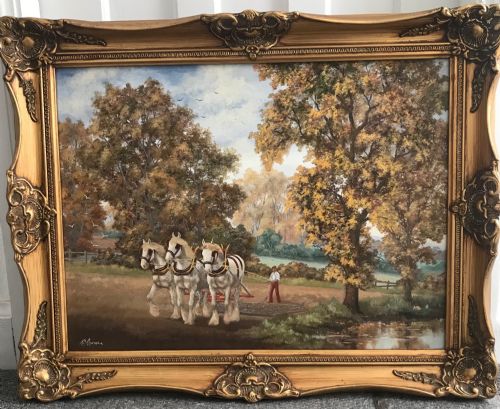
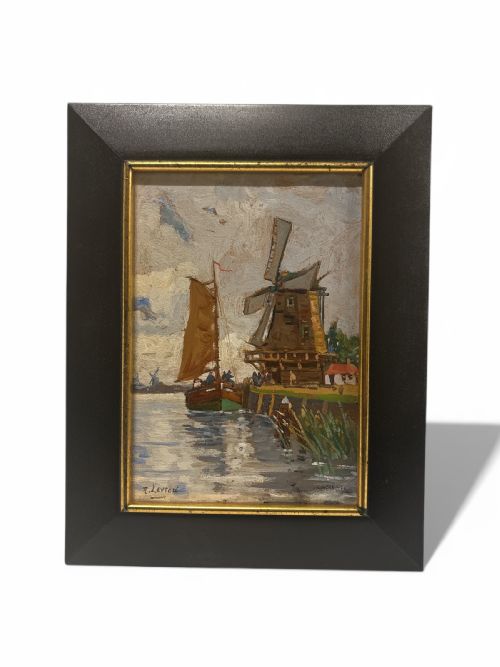
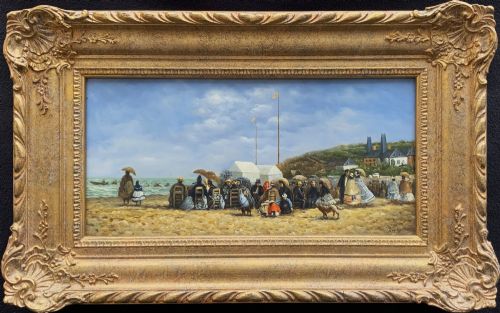
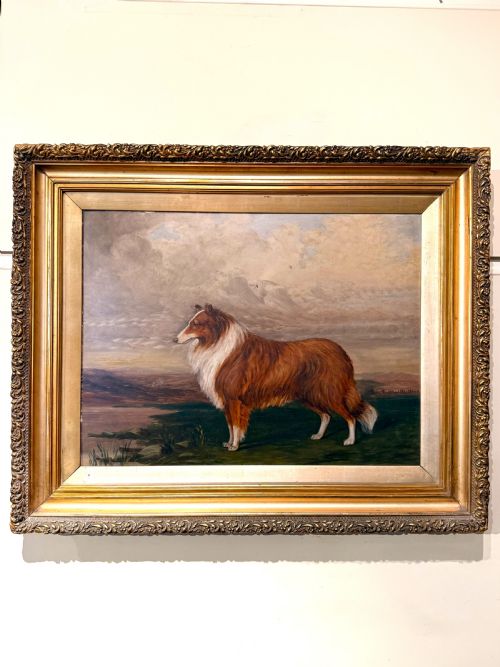
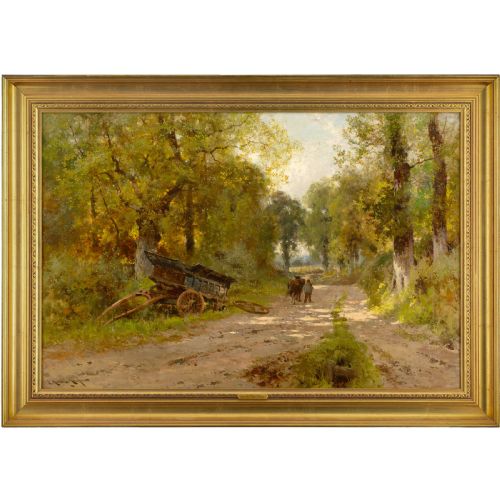
Gilt frame landscape art captures sweeping rural views, coastal scenes and pastoral life encased in shimmering wooden surrounds.
Gilt Frame Landscape Art
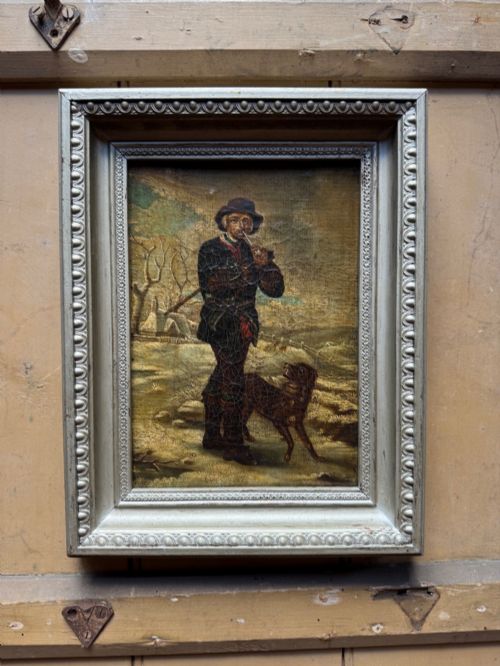
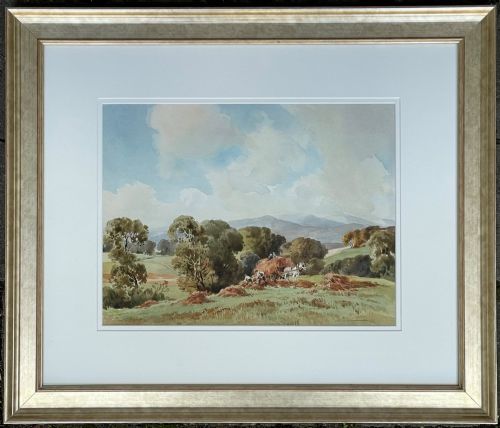
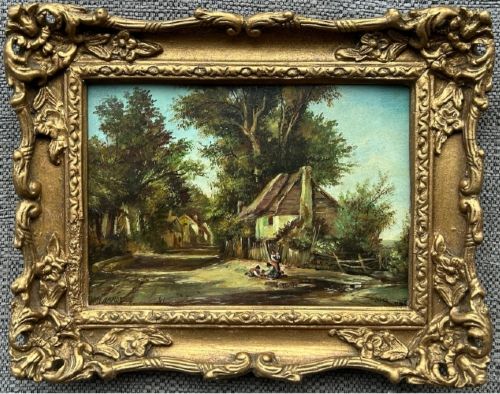
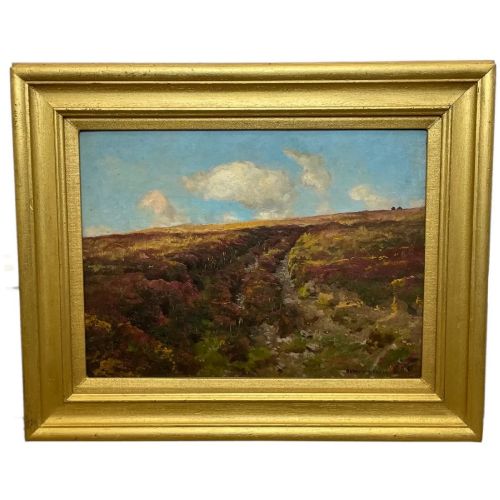
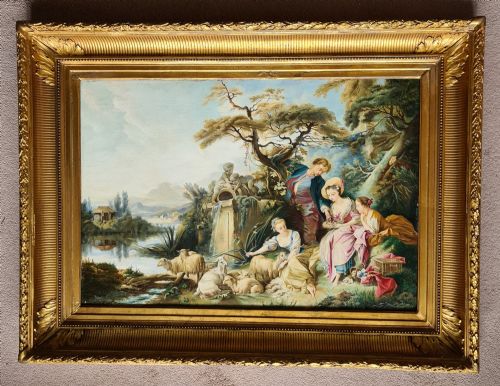
Gilt frame landscape art encompasses framed oil paintings, watercolours and pastels depicting countryside vistas, marine scenes and rural life. Buyers searching this phrase look for pictorial works that combine scenic subject matter with decorative metallic framing.
The selections available range from 19th-century Victorian pastoral works and Edwardian watercolours to later Impressionist pieces and Dutch-influenced winter views. The most common iteration encountered on this page is the oil painting on canvas or board housed within a traditional gilded wooden mount.
Makers and artists represented span British and European schools, capturing subjects from Scottish mountains to Cornish harbours. These works serve as focal points for interior spaces, bringing historic atmosphere and visual depth to a room.
How They Were Made
These works rely primarily on oil paint applied to canvas, wood panels or paper supports, alongside watercolour and pastel on paper. Artists utilised these mediums to capture light, atmosphere and texture in open-air settings and studio compositions.
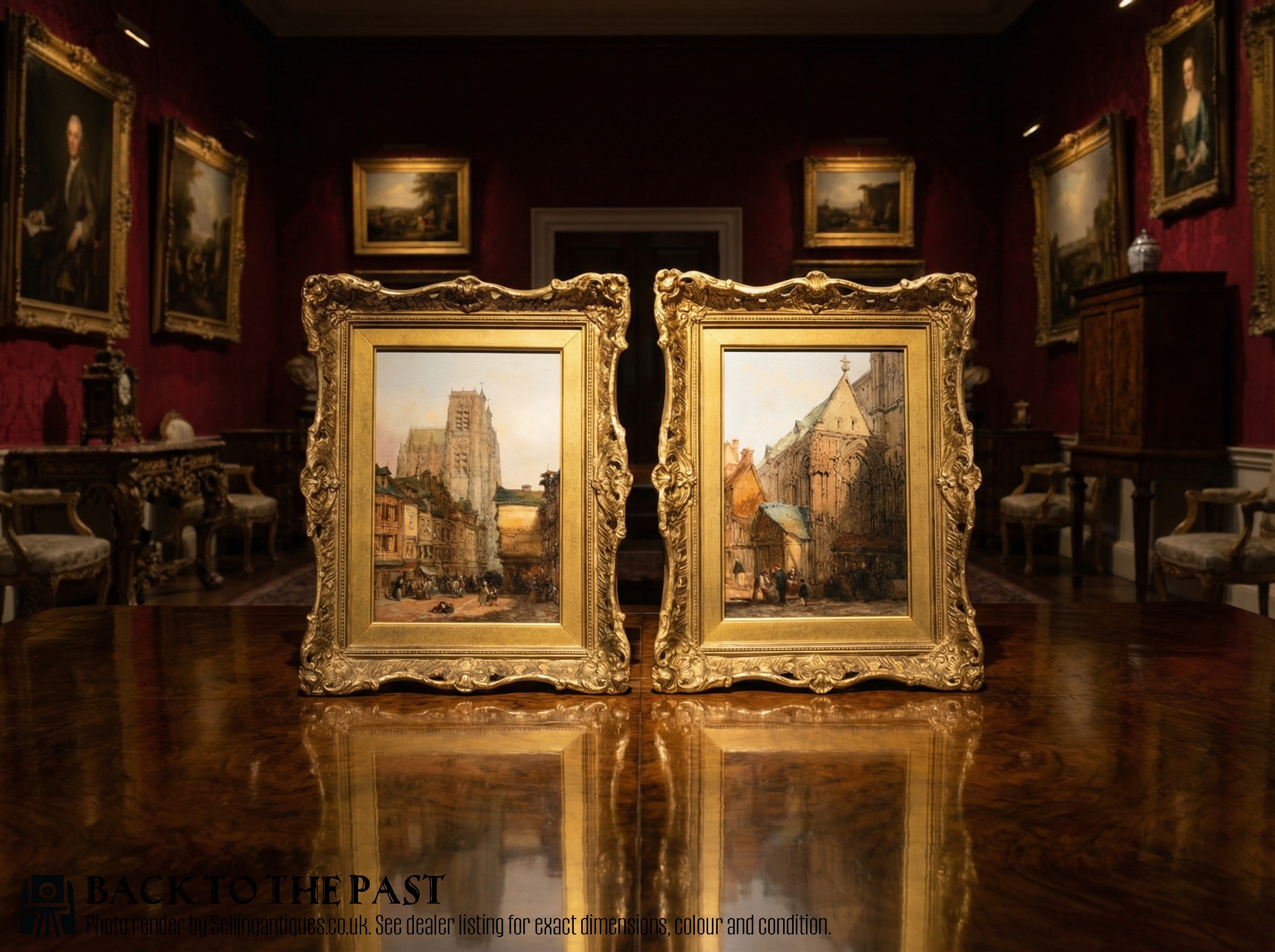
The accompanying frames are constructed from wood, often finished with layers of gesso and gold leaf or metallic paint to create a luminous surface. Moulded plaster details and decorative swept profiles frequently adorn these borders to complement the artwork within.
Listings incorporate works from the 19th Century, Edwardian and Victorian periods, executed in oil paint, watercolour, pastel and gilt wood.
What Varies in Quality
The distinction between standard and superior pieces rests on the handling of light, brushwork confidence and compositional balance by the artist. Masterful depictions display subtle tonal gradations and convincing depth, whereas lesser works remain flat and formulaic.
Framing quality also dictates overall merit, separating factory-produced surrounds from hand-gilded wooden mouldings with intricate plaster ornamentation. Original mountings that harmonise with the age and scale of the painting elevate the desirability of the piece.
Richard Sebastian Bond·William Beattie-Brown·George Fotherly Hargitt·Percy Lancaster·William Howard Hardy·Arthur Wardle·John Horace Hooper·Reginald Arthur Borstel·A. Marie Parsons·William Joseph Shayer Senior·Alfred Fontville de Breanski Jr·Sidney A. Court·Kershaw Schofield·George Houston·William Banks Fortescue·Thomas W Lascelles·James Kay·Augusto Alberici·Gabriel Mathieu·David Bates·Thomas Smythe·Julius Hare
The Gilt Frame Landscape Art Glossary
- Gilt wood
- Wood coated with gold leaf, metal powder or gold-coloured paint. This technique provides a reflective, ornate border designed to catch interior light and enhance the artwork.
- Oil on canvas
- Pigment suspended in drying oil applied to a stretched woven fabric support. This traditional medium allows for rich blending of colour and enduring texture.
- Pastel on paper
- Artworks created using dry pigment sticks rubbed onto a paper surface. These delicate pieces require glass protection to prevent the loose pigment from disturbing.
- Watercolour
- Pigment mixed with water-soluble binders applied to paper. This translucent medium creates luminous washes that define skies and water in landscape scenes.
- Swept frame
- An ornate frame moulding featuring flowing, curved corner ornaments and deep scrolling profiles. These decorative surrounds often house large 19th-century paintings.
Gilt Frame Landscape Art: Frequently Asked Questions
What periods do these artworks originate from?
The listings span from the early 19th century through the Victorian and Edwardian eras up to mid-century 1960s creations.
Victorian and 19th-century works appear most frequently, reflecting traditional British and European pastoral and marine schools.
How are these landscapes usually painted?
Most works utilise oil paint applied to canvas, wooden panels or board, capturing natural light and texture.
Watercolour and pastel on paper also feature regularly, offering softer tones and lighter atmospheric effects.
What subjects do these landscape paintings show?
Common subjects include rural countryside vistas, coastal harbours, woodland tracks, and agricultural scenes with figures or animals.
Maritime views, winter landscapes, and topographical studies of locations in Britain and Europe also appear across the collection.