



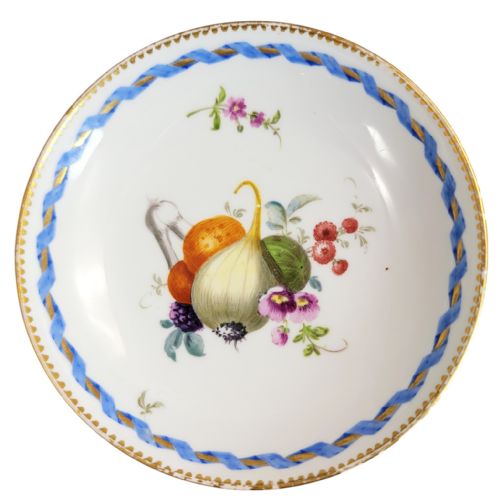


Gilt Edge Plate
A gilt edge plate brings table service and display cabinets together through painted porcelain and applied metallic trim.
Gilt Edge Plate
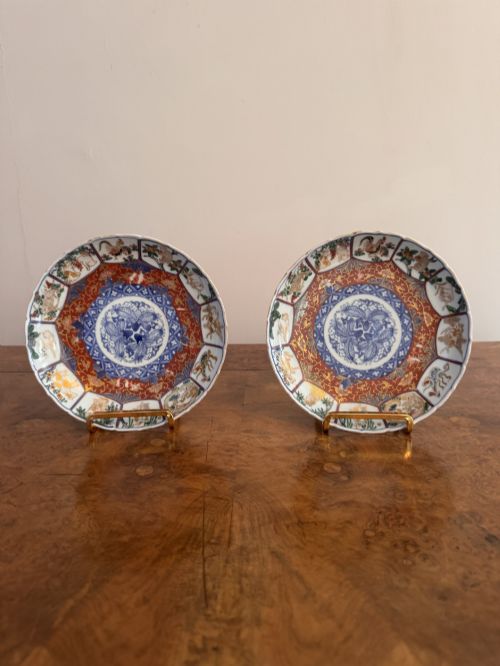
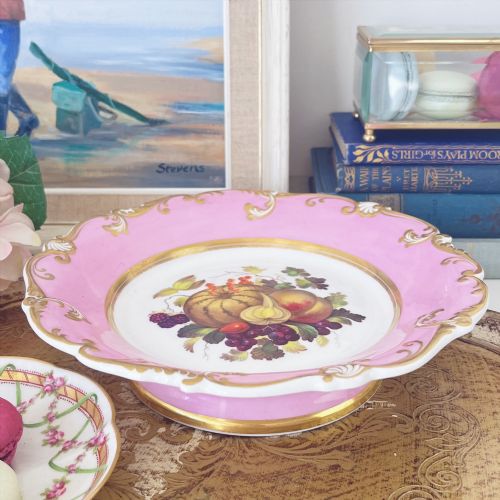
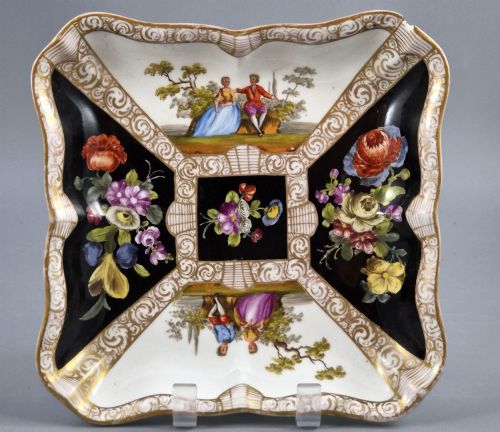
A gilt edge plate unites serving wares and cabinet pieces through painted ceramic bodies finished with metallic outlines. When searching for a gilt edge plate, buyers encounter items ranging from eighteenth-century soft-paste porcelain to twentieth-century bone china and earthenware. These dishes serve decorative and functional roles, appearing as dessert plates, cabinet dishes, large chargers, and footed comports.
The objects stem from diverse origins across England, France, Germany, Austria, and Japan. English factories such as Royal Worcester, Derby, and Coalport sit alongside continental houses like Meissen and Sèvres, plus Japanese Imari and Kutani workshops. This variety spans periods from the eighteenth century through the Edwardian era to the mid-twentieth century.
Materials and Craftsmanship
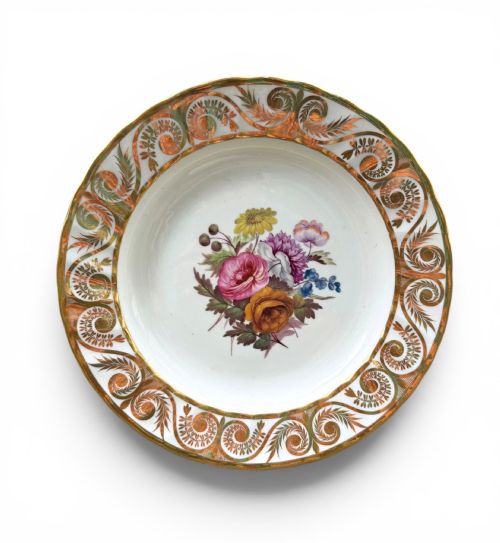
Makers shaped these wares from hard-paste porcelain, soft-paste porcelain, bone china, ironstone, and earthenware. Potters formed the bodies on wheels or pressed them into moulds, adding scalloped, rope, or shaped edges before firing. Artisans then applied enamel paints by hand, depicting botanical studies, figures, birds, and classical scenes.
Craftsmen finished the borders using gold leaf, gilding, or plain gilt to highlight the rims. Some pieces incorporate specialist techniques like pâte-sur-pâte, building up translucent layers of slip to create low-relief white designs against coloured grounds.
Gilt Edge Plate Retail Price Guide 2026
Typical asking prices for gilt edge plate among the pieces listed under this phrase on Sellingantiques today, from the lower quarter to the upper quarter. They describe what is for sale here now, not the wider market.
Listings feature plates spanning the eighteenth, nineteenth, and twentieth centuries, using bone china, hard-paste porcelain, and ironstone.
Assessing Quality and Execution
The standard of painting drives the distinction between ordinary production and superior execution. Hand-painted botanical studies or figural scenes by named artists display greater precision and brushwork control than standard transfer-printed or generic floral borders.
The application and preservation of the metallic edge also determine overall merit. Dense, burnished gold leaf retains its brilliance more effectively over time than thin painted washes, while crisp moulding on scalloped or rope-edged rims preserves definition through the glaze firing.
Royal Worcester·Meissen·Coalport·Derby·Chantilly·Mason·Royal Doulton·Vienna
The Gilt Edge Plate Glossary
- Cabinet plate
- A decorative ceramic dish intended for display in a cabinet rather than for dining use. These items often feature detailed hand-painted scenes and elaborate gilding.
- Imari palette
- A decorative scheme employing underglaze blue, iron red, and gold, originating in Japanese porcelain and adopted by European factories. This palette creates a strong contrast against white ceramic grounds.
- Soft-paste porcelain
- A ceramic composition containing glass frit and white clay, fired at lower temperatures than hard-paste porcelain. It produces a warm, slightly creamy body favoured by eighteenth-century European factories.
- Comport
- A raised serving vessel or tazza used for fruit or sweetmeats at the table. These objects often stand on a central foot or pedestal.
- Pâte-sur-pâte
- A ceramic technique where wet white slip is built up layer upon layer on a coloured body to form a low-relief cameo effect. This method requires considerable skill to achieve subtle translucent shading.
Gilt Edge Plate: Frequently Asked Questions
How do I display a cabinet plate safely?
Cabinet plates require wall-mounted hangers with coated prongs or dedicated display stands that support the base securely without putting pressure on the rim. Keep them away from direct sunlight and high moisture areas to protect the enamel colours and gold leaf.
Ensure the mounting hardware fastens firmly into a wall stud if hanging heavier chargers or ironstone dishes. For surface display, select stable ledges or enclosed cabinets that prevent accidental knocks.
Can I use antique plates for dining?
Most antique cabinet and dessert plates feature delicate lead glazes, soft pastes, and hand-applied metallic leaf that deteriorate under modern cutlery and dishwashing cycles. Using them for display preserves the painted surfaces and fragile gilt borders from scratching and wear.
If you choose to use nineteenth-century earthenware or ironstone for dining, wash them gently by hand in lukewarm water using mild detergent. Avoid soaking pieces with porous bodies or old hairline cracks.
What is the difference between porcelain and earthenware?
Porcelain is fired at high temperatures until the body vitrifies, making it non-porous, resonant when tapped, and frequently translucent. Earthenware uses coarser clays fired at lower temperatures, resulting in an opaque, more absorbent body that requires an impervious glaze to hold liquids.
Many English factories developed refined bone china or ironstone as durable alternatives to traditional soft-paste porcelain. These hybrid bodies combine the strength of earthenware with the smooth white surface of porcelain.
How do I identify the period of a ceramic piece?
Makers' marks stamped, impressed, or painted on the underside provide the most reliable guide to a piece's origin and date. Reference books and registry numbers map out how factory ciphers and pattern codes changed across decades.
Stylistic indicators such as colour palettes, moulding shapes, and the character of the paste also assist with dating unmarked items. Comparing the weight, glaze texture, and hand-painting style to documented examples narrows down the production window.