



Gilt Ebonised Seat
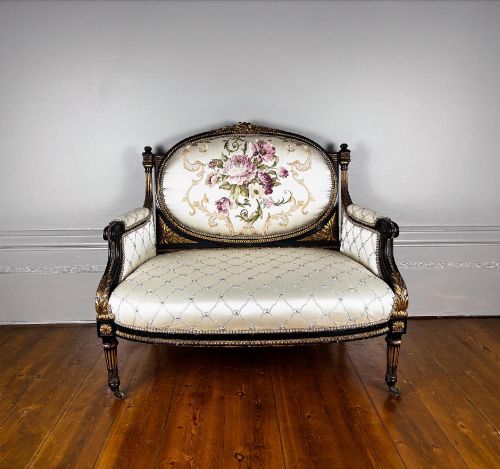
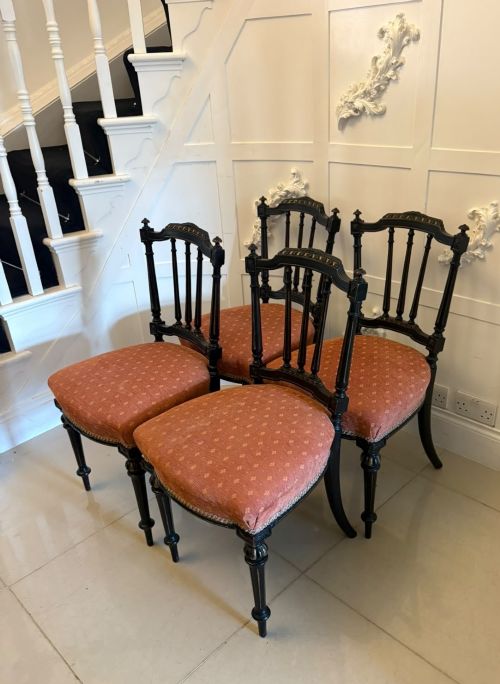
A gilt ebonised seat brings high-contrast drama to a room, pairing dark blackened wood with brilliant metallic leaf for a striking, decorative punch.
How they were made
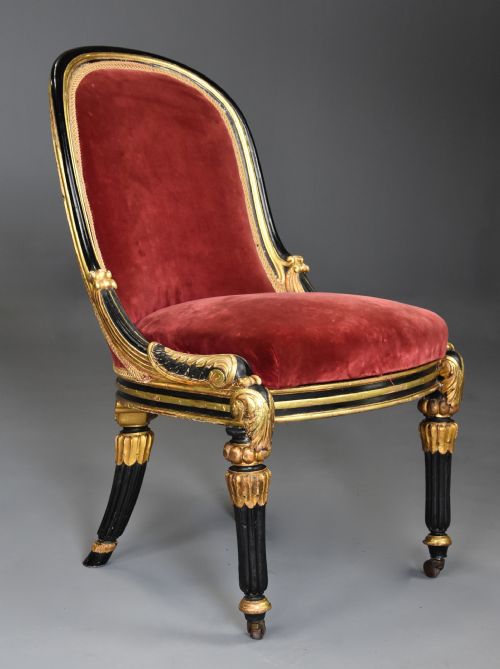
The underlying timber, often selected for its density and grain, is treated with a chemical stain or pigment to achieve an ebonised finish that mimics ebony. Artisans then apply gold leaf or parcel gilt highlights by hand to raised carvings, fluting, and incised lines.
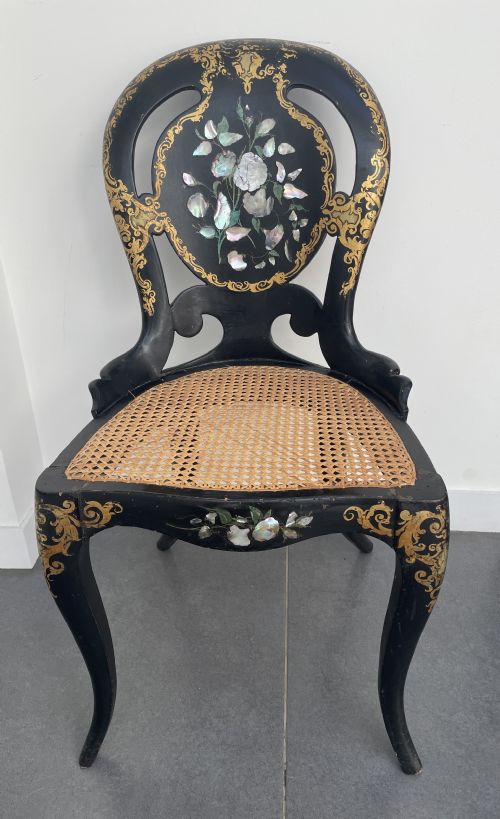
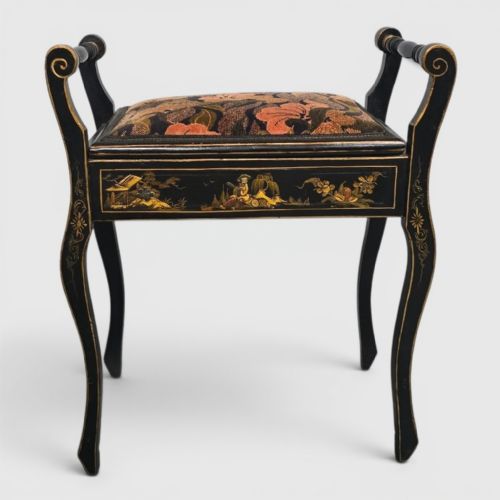
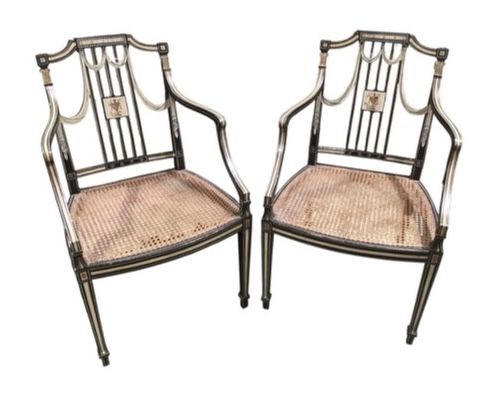
Seating surfaces incorporate traditional methods, utilising woven cane, horsehair stuffing beneath velvet and fabric, or intricate mother-of-pearl inlay set directly into papier-mâché or wooden panels. Brass mounts and stretcher supports occasionally reinforce the structural framework of chairs and sofas.
What varies in quality
Quality rests in the crispness of the carving, the depth of the ebonised finish, and the precision of the gilding applied to the woodwork. Finer examples display meticulous hand-applied gold leaf rather than metallic paint, alongside superior joinery that maintains structural rigidity over generations.
The sophistication of the design dictates the tier of the piece, with works by documented makers exhibiting more refined proportions and integrated decorative motifs. Original canework, intact mother-of-pearl inlay, and preserved upholstery details further elevate the standing of an individual seat.
Gilt Ebonised Seat Retail Price Guide 2026
Typical asking prices for gilt ebonised seat among the pieces listed under this phrase on Sellingantiques today, from the lower quarter to the upper quarter. They describe what is for sale here now, not the wider market.
Listings feature ebonised wood combined with materials such as brass, cane, velvet, mother-of-pearl, and gold leaf across multiple periods.
Gillows·Holland & Son
The Gilt Ebonised Seat Glossary
- Ebonised
- Wood treated with stain, dye, or paint to imitate expensive ebony. This dark finish provides a stark background for metallic decoration.
- Gilt
- Covered with gold leaf or a thin layer of gold paint. Parcel gilt describes pieces where only specific carved elements receive this golden treatment.
- Canework
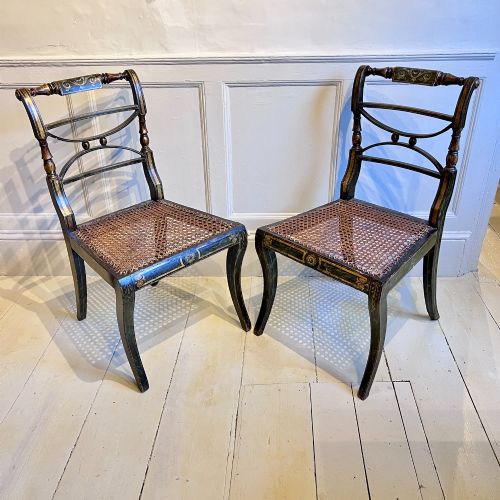
- Woven rattan material utilised for chair seats and backs. It offers lightweight flexibility and a textured contrast to solid ebonised frames.
- Aesthetic Movement
- A nineteenth-century design style prioritising beauty over narrative or moral function. Pieces often feature stylized natural motifs like sunflowers and Japanese-inspired details.
- Canape
- An upholstered sofa or settee with an exposed wooden frame. These Continental and Victorian forms frequently combine ebonised wood with rich textiles.
Gilt Ebonised Seat: Frequently Asked Questions
How do I clean an ebonised and gilt surface?
Dust the wood gently with a soft, dry cloth to prevent abrasion to the delicate metallic leaf. Avoid modern chemical polishes, which can strip the black finish and dull the underlying gilding.
For stubborn marks, consult a professional restorer rather than applying moisture or solvents directly to the timber. Preserving the original surface requires a light touch and stable environmental conditions.
Were these seats meant for daily use?
Many of these chairs and settees served specific social functions in nineteenth-century drawing rooms, parlours, and bedrooms. Lighter forms like nursing chairs and piano stools were tailored for specific postures and domestic tasks.
While structurally sound, antique seating benefits from mindful placement and gentle handling today. Historic joints and delicate canework require care compared to modern mass-produced furniture.
How do I tell a Regency piece from a Victorian one?
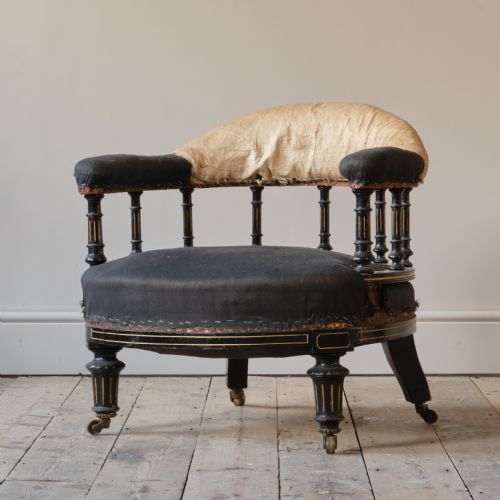
Regency seats typically feature clean neoclassical lines, saber legs, and restrained parcel gilding influenced by ancient Greek and Roman forms. Victorian and Aesthetic Movement examples often display heavier proportions, turned supports, and more eclectic decorative elements like incised floral motifs.
Examining the construction methods, joinery, and secondary woods helps clarify the period of manufacture. Stylistic overlaps occur, particularly during revival periods at the turn of the twentieth century.
Can I reupholster a historic armchair or sofa?
Upholstery can be updated using traditional materials and methods appropriate to the period of the piece. Retaining the original webbing and padding structure ensures the internal integrity remains undisturbed.
Selecting historic textile reproductions, velvets, or complementary fabrics enhances the aesthetic harmony of the chair. Professional upholsterers experienced in antique frames should handle delicate ebonised edges to prevent accidental damage.