

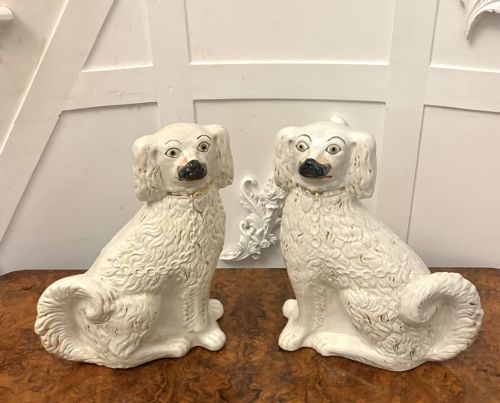


Gilt Earthenware Statue
A gilt earthenware statue brings Victorian and Art Deco character into a room through hand-painted details and gleaming metallic leaf.
Gilt Earthenware Statue
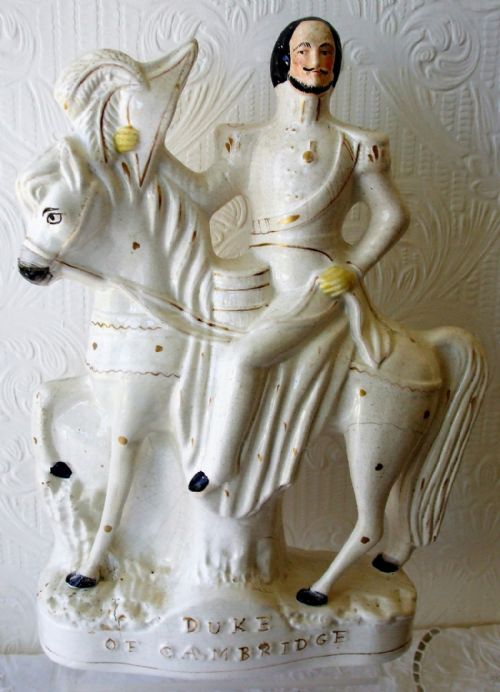
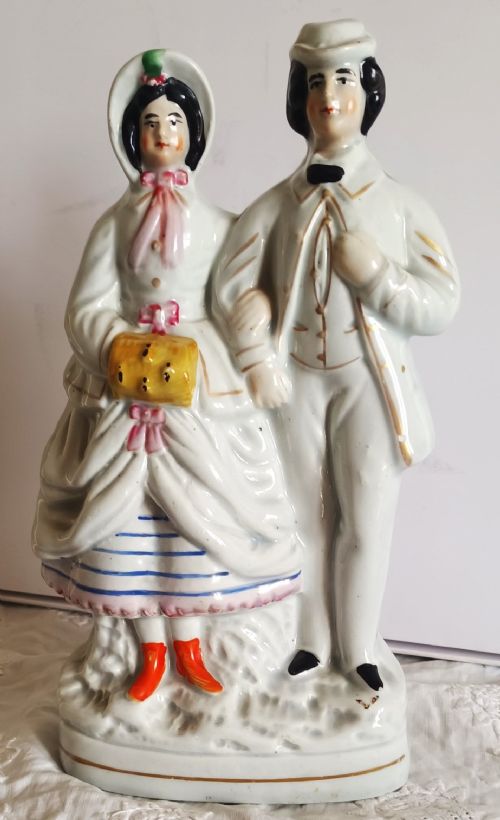
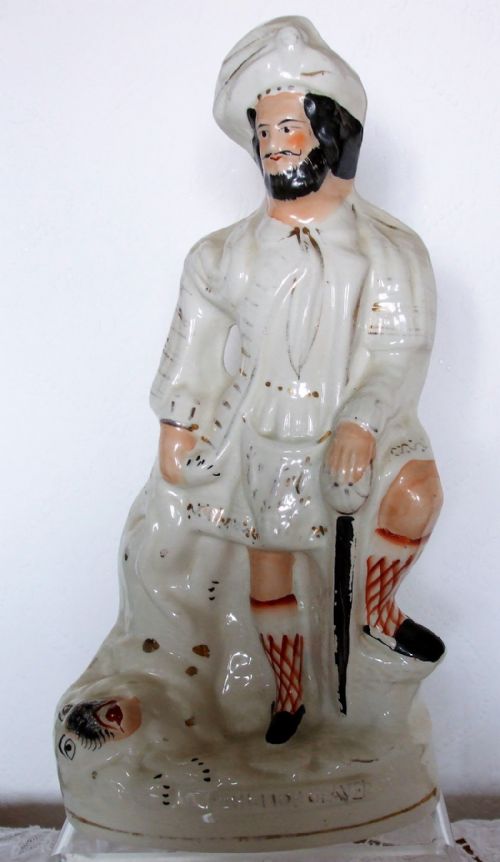
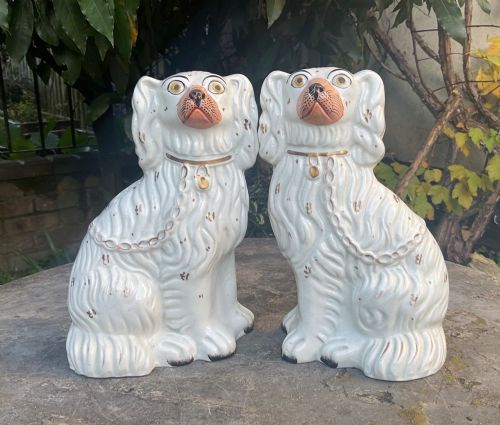
A gilt earthenware statue encompasses decorative figurines, sculptures, and ceramic figures created during the nineteenth and early twentieth centuries. These pieces typically take the form of English Staffordshire pottery, including portrait figures, literary characters, and animal pairs.
The pieces represented in these listings span the Victorian era, the year eighteen hundred and sixty, eighteen hundred and eighty, nineteen hundred, and the Art Deco period of nineteen hundred and twenty. Buyers encounter both single portrait subjects and matched pairs of dogs or pugs.
English traditional styles dominate the earlier Victorian offerings, while later works embrace the distinct geometric lines of Art Deco ceramic sculpture. Each iteration reflects the popular domestic ornaments of its respective decade.
Construction and materials
Firing techniques of the nineteenth and early twentieth centuries left distinct characteristics in the ceramic body and glaze finish. Lead glaze provides the characteristic glossy sheen across Victorian Staffordshire dogs and portrait subjects.
Gilt Earthenware Statue Retail Price Guide 2026
Typical asking prices for gilt earthenware statue among the pieces listed under this phrase on Sellingantiques today, from the lower quarter to the upper quarter. They describe what is for sale here now, not the wider market.
Listings span the nineteenth century to nineteen twenty, featuring earthenware, glaze, and gold leaf.
Markers of quality
The sculptural definition of the earthenware body distinguishes finer figures from simpler production pieces. Matched pairs showing balanced modelling and consistent glaze coverage represent the higher tiers of domestic ceramic manufacture.
Le Manceau·Beswick
The Gilt Earthenware Statue Glossary
- Earthenware
- A porous type of pottery fired at lower temperatures, requiring a glaze to achieve water resistance and a smooth surface. It forms the structural base for the majority of nineteenth-century Staffordshire figures.
- Gilt
- A thin layer of gold applied to the surface of the ceramic sculpture to provide metallic highlights. This technique elevates plain enamel decoration with bright reflective accents.
- Lead glaze
- A glossy coating containing lead compounds, utilised on historic ceramics to seal the porous clay body. It creates the characteristic luminous shine seen on Victorian figures.
- Enamel
- A durable coloured glass coating fused to the ceramic body during firing or secondary low-temperature kilns. It provides the vivid reds, blacks, and blues found on traditional Staffordshire pottery.
Gilt Earthenware Statue: Frequently Asked Questions
What periods do these figures come from?
The available pieces originate from the nineteenth century, including specific years such as eighteen hundred and sixty, eighteen hundred and eighty, and nineteen hundred. Later examples extend into the Art Deco period around nineteen hundred and twenty.
Victorian Staffordshire works represent the primary focus of these listings, accompanied by twentieth-century ceramic interpretations.
What materials make up these statues?
These decorative objects consist of earthenware ceramic bodies finished with lead glaze and hand-painted enamel colours. Artisans added gold leaf or gilt to highlight specific decorative elements.
The combination of porous clay, glossy glaze, and metallic leaf defines the physical composition of both Victorian portrait figures and Art Deco animal sculptures.
How were these statues displayed?
Victorian households traditionally placed pairs of Staffordshire dogs or portrait figures upon mantelpieces and side tables. They served as prominent decorative ornaments in British parlours.
Portrait figures often commemorated national events or public figures, while animal pairs provided symmetrical decoration for the home.