


Gilt Dressing Glass
When you search for a gilt dressing glass, you are looking at mirrors built for the bedroom and dressing room, shaped by centuries of craftsmanship.
Gilt Dressing Glass
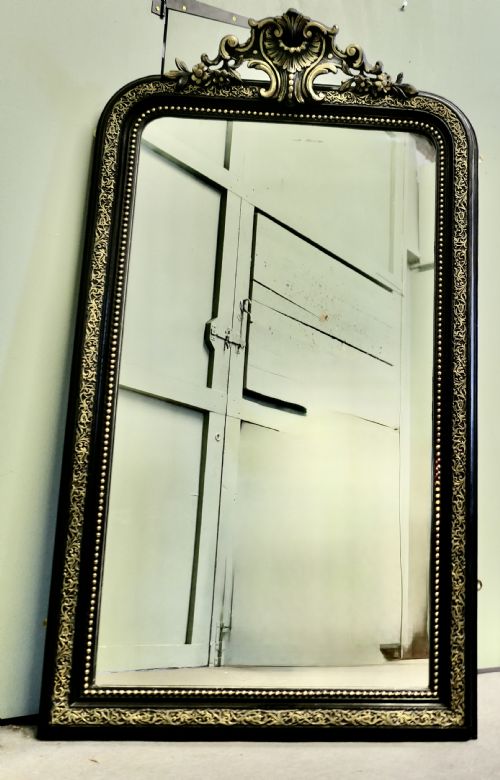
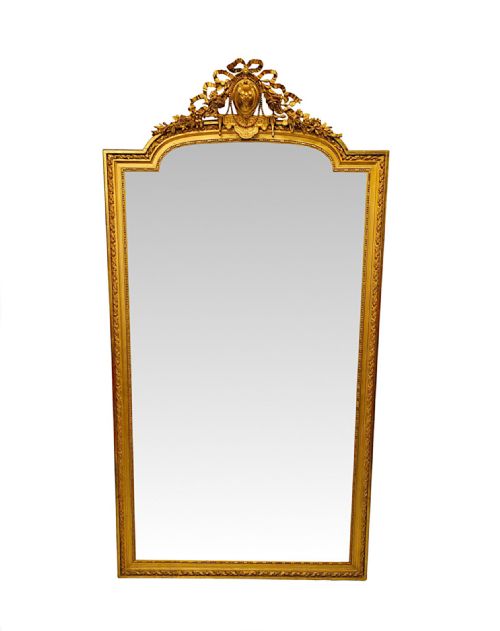
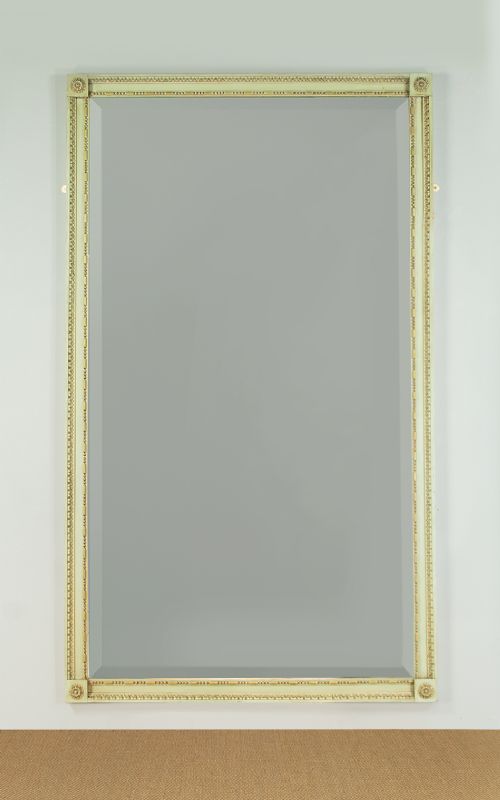
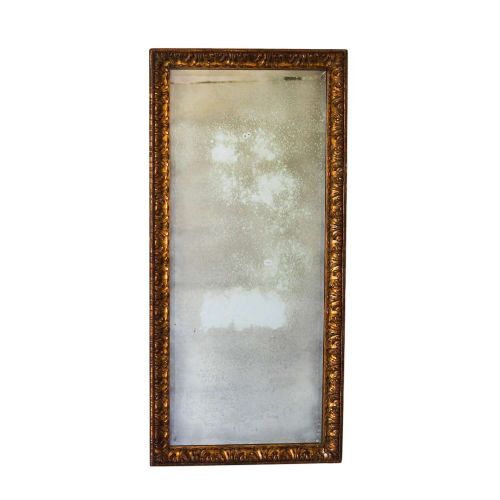
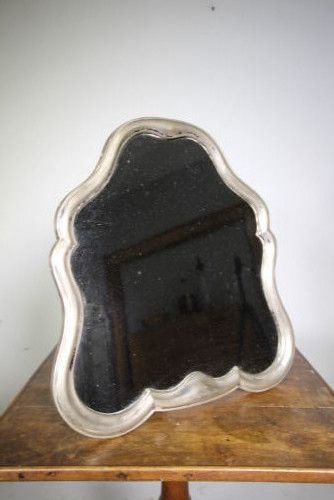
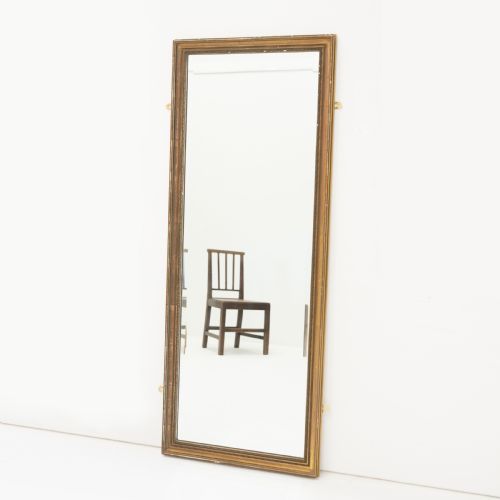
A gilt dressing glass is a mirror designed for personal grooming, appearing primarily in nineteenth-century forms alongside earlier eighteenth-century examples. These pieces range from compact table-top toilet mirrors in mahogany and walnut to tall cheval mirrors and wall-mounted pier glasses.
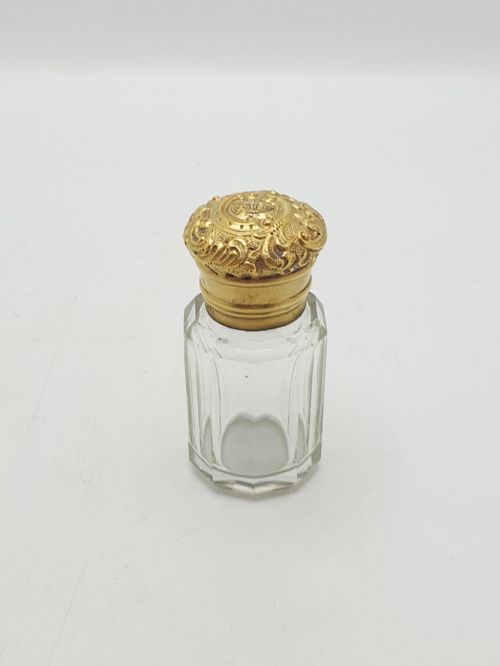
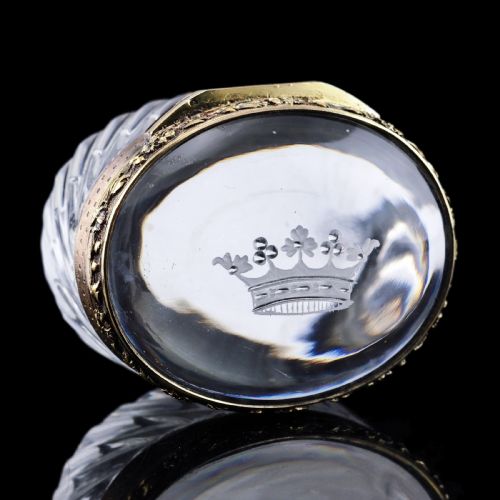
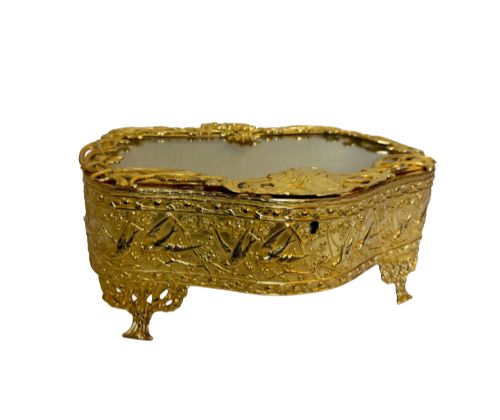
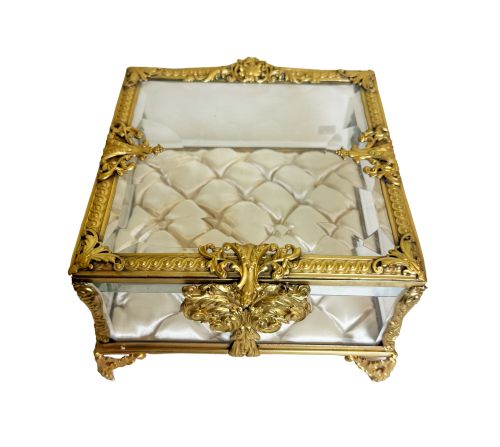
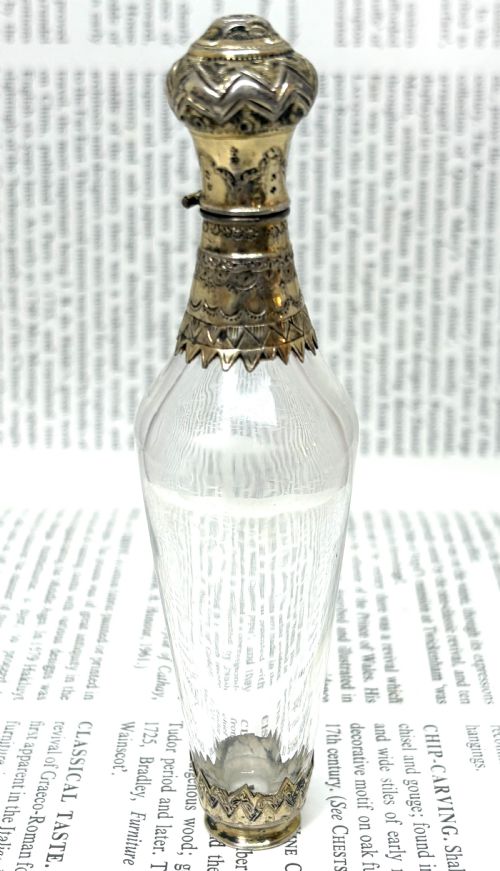
The selection includes cheval mirrors for full-length reflection and smaller dressing table mirrors supported on shaped stands. Alongside mirrors, related dressing items such as scent bottles, jewellery boxes, and vanity sets frequently share the same gilded vocabulary.
Materials and Construction
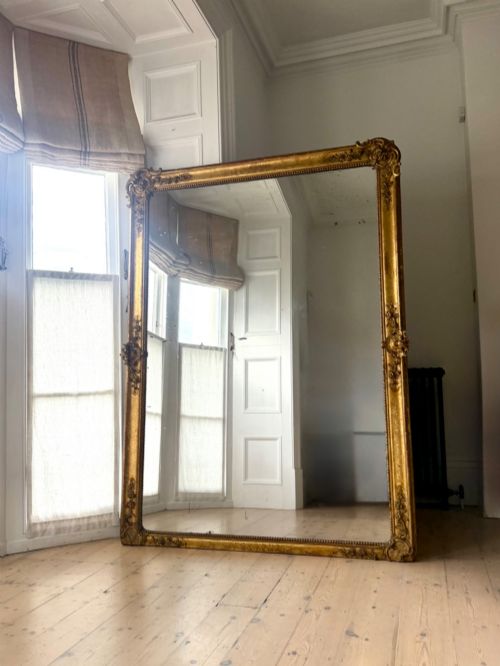
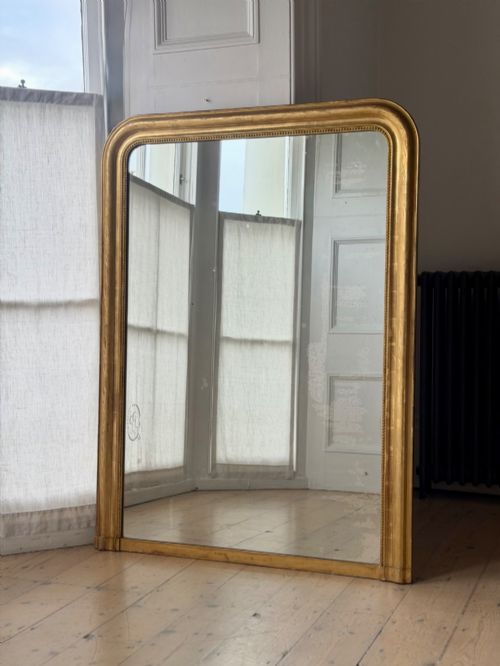
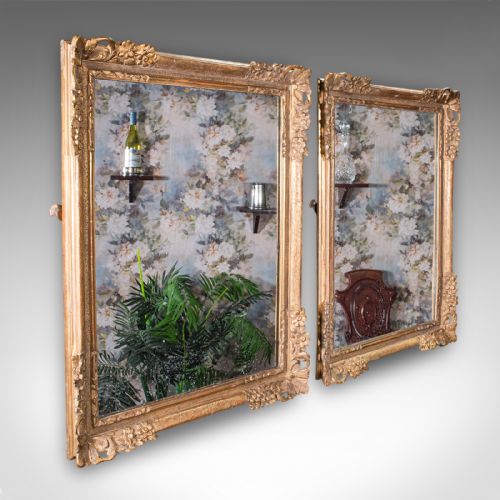
Construction relies heavily on carved timber frames finished with gesso and gold leaf or silver gilt to create a luminous surface. Glass plates are integrated into the frames, often featuring bevelled edges designed to catch the light.
Metalwork complements the wood and glass, utilising bronze, ormolu, and sterling silver mounts on boxes and bottles. Secondary woods such as mahogany and walnut provide sturdy internal framing for the smaller toilet mirrors.
Listings span from George II walnut toilet mirrors of the mid-eighteenth century to ornate French Belle Epoque and Victorian cheval glasses.
Assessing Quality
Quality rests upon the depth of the carving and the application of the gold leaf or gesso, where crisp detail distinguishes superior work from softer castings. The integrity of the glass plate, particularly the retention of original bevels, dictates the authenticity and visual clarity of the piece.
Hardware and secondary elements, from silver mounts to hinges and locking mechanisms on scent caskets, separate standard production items from exhibition-grade examples signed by notable makers.
S Morden and Co·Jenner and Knewstub·Joseph Meissonnier·Asprey
The Gilt Dressing Glass Glossary
- Giltwood
- Timber that has been coated with gold leaf or a gold-coloured finish. This material defines the bright, reflective frames typical of French and English mirrors.
- Cheval mirror
- A full-length mirror hung in a frame that allows it to swing. These tall freestanding pieces emerged strongly during the nineteenth century for dressing rooms.
- Pier glass
- A tall, narrow mirror designed to hang on the wall between windows or above a console table. They amplify natural light within a room.
- Gesso
- A plaster-like mixture applied to wood frames to create a smooth surface for gilding. Detailed ornamentation is often modelled directly in this compound.
- Silver gilt
- Silver objects that have been coated with a thin layer of gold. This technique combines the strength of silver with the warm appearance of gold.
Gilt Dressing Glass: Frequently Asked Questions
What is a dressing glass?
A dressing glass is a traditional term for a mirror used during personal grooming and toilet. They were placed on tables or made freestanding to assist with dressing.
Over time, the designation expanded to include various forms from small toilet mirrors to large cheval glasses found in nineteenth-century chambers.
Where were these mirrors placed?
These mirrors found their primary homes in bedrooms and dressing rooms, positioned to catch morning light near windows. Tall pier glasses were often hung between windows above console tables.
In grander interiors, they served both a practical purpose for reflection and an aesthetic role in balancing the room's symmetry.
How do I care for giltwood?
Giltwood requires gentle maintenance to protect the delicate gold leaf and underlying gesso. Dusting should be done lightly with a dry, soft cloth without applying moisture or chemical cleaners.
Avoiding direct sunlight and stable humidity levels will help preserve the gilded surface and prevent the wood from shifting.
How do I identify the period?
Dating these pieces involves examining the wood species, joinery techniques, and the composition of the glass plate. Georgian pieces often utilise walnut or mahogany, while nineteenth-century items introduce heavier gesso and elaborate revival styles.
Maker marks, signatures on mounts, and the presence of original bevelled glass provide further chronological markers.