



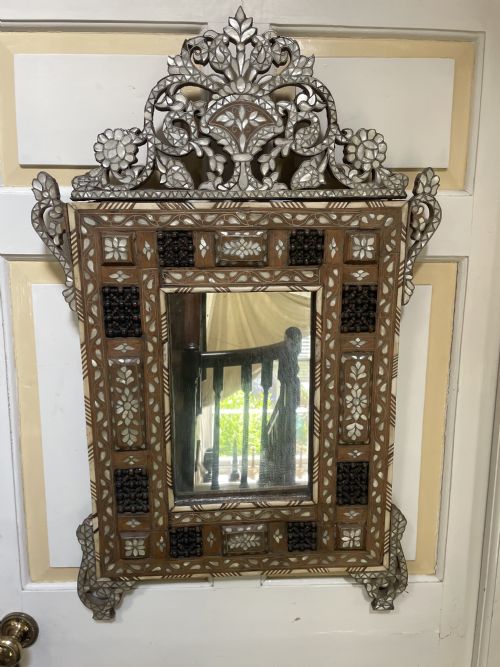


19th Century Hand Mirror
A 19th century hand mirror brings tactile nineteenth-century craftsmanship straight to your dressing table.
19th Century Hand Mirror
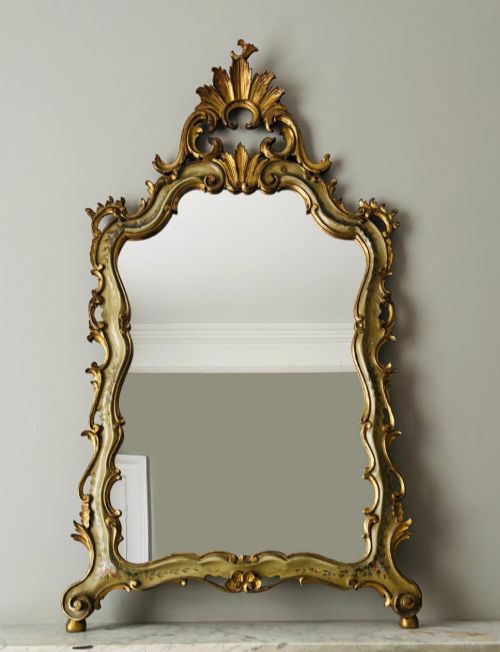
A 19th century hand mirror represents personal vanity items from the nineteenth century, most frequently encountered here in forms shaped by Victorian tastes and French rococo revival designs. These objects combine practical mirror glass with decorative frames designed to be held or displayed.
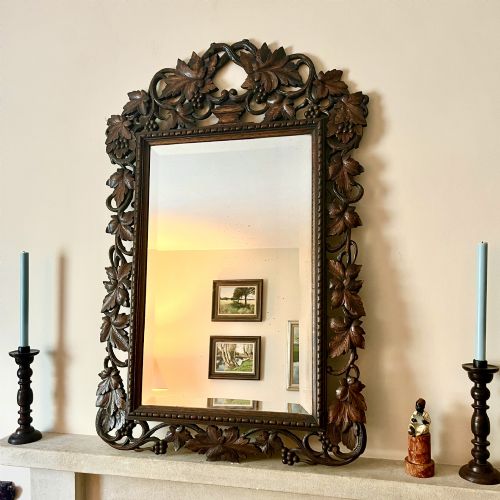
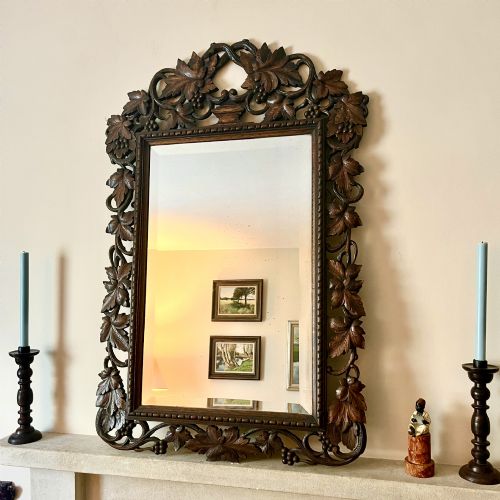
The selection ranges across carved wood, ebonised finishes, and gilt bronze mounts, reflecting the diverse materials favored by makers of the period. While many items function as wall mirrors or vanity sets, handheld examples stand out for their intricate detail.
Materials and Techniques
Makers utilised solid timbers such as oak, walnut, and limewood, shaping them through detailed hand carving to create high-relief ornamentation. Ebonised wood and birds eye maple also appear, showing the variety of timber treatments favored during the period.
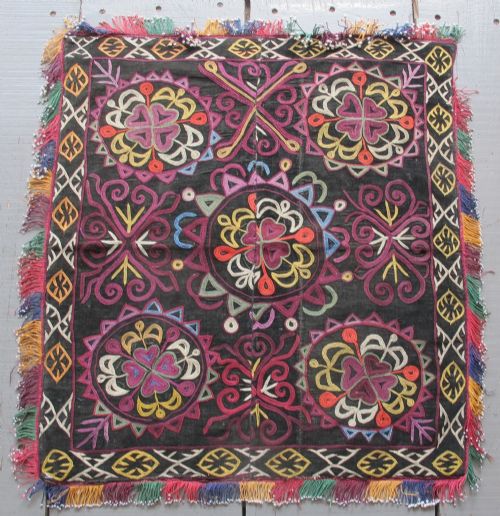
Metalwork played a key role, particularly in French pieces that incorporate gilt bronze and champleve enamel alongside glass plates. Silk and cotton textiles occasionally accompany these works, providing soft contrast to the hard surfaces of wood and metal.
One portrait even captures a languorous lady gazing intently into her own hand mirror.
Judging Quality
Quality rests upon the depth and precision of the hand carving, where deeply undercut foliage and figures separate superior works from simpler mouldings. The crispness of chased details in gilt bronze or ormolu similarly distinguishes finer examples.
The integrity of the materials, from the selection of figured walnut or oak to the clarity of the mirror glass, dictates the standing of each piece. Original mounting and the preservation of delicate carved elements further define the better specimens.
Joseph Meissonnier
The 19th Century Hand Mirror Glossary
- Ebonised wood
- Timber treated to imitate ebony through staining or painting. This dark finish was popular in Victorian aesthetic movement design.
- Champleve
- An enamelling technique where trenches are gouged into metal and filled with vitreous paste before firing. It appears on French metal frames.
- Ormolu
- Gilt bronze ornamentation applied to furniture and decorative objects. The technique involves coating bronze with a finely ground gold-mercury amalgam.
- Limewood
- A soft, pale timber favoured by carvers for its fine grain and lack of splintering. It allows for extremely detailed high-relief work.
19th Century Hand Mirror: Frequently Asked Questions
How do I clean a 19th century hand mirror?
Clean the glass with a gentle glass cleaner applied to a cloth rather than directly onto the frame, avoiding moisture on old wooden or gilt surfaces.
Dust carved wooden frames carefully with a soft, dry brush to protect the aged patina and any delicate raised details.
Were these mirrors meant for travel?
Most surviving examples were designed for static use on dressing tables or boudoir surfaces rather than frequent transport in luggage.
Their substantial mounts of gilt bronze, carved oak, or walnut made them decorative display pieces within the home.
How can I tell a French piece from an English one?
French examples frequently employ gilt bronze, champleve, or ormolu mounts with rococo revival curves and intricate metalwork.
English pieces more commonly rely on solid carved oak, walnut, or ebonised wood reflecting Victorian aesthetic preferences.
Can these mirrors be used daily?
These pieces function well for gentle daily use, provided they are handled with care given their age and delicate construction.
Many owners prefer to display them on vanity sets or walls to protect the original mirror glass and frames from wear.