
Gilt Crest Overmantel
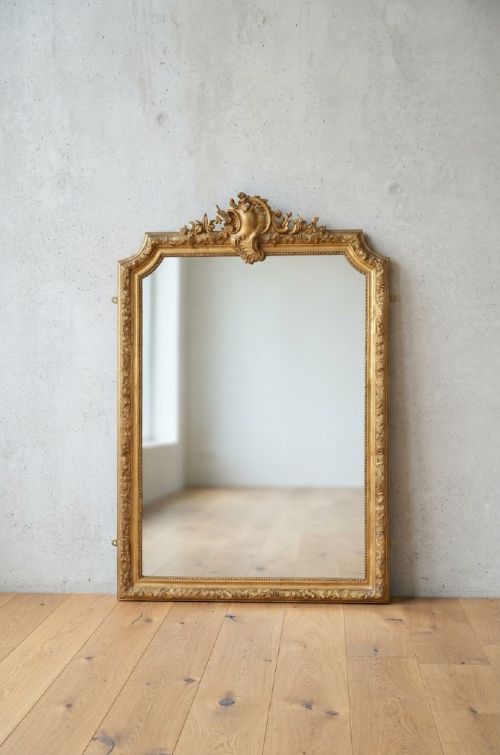
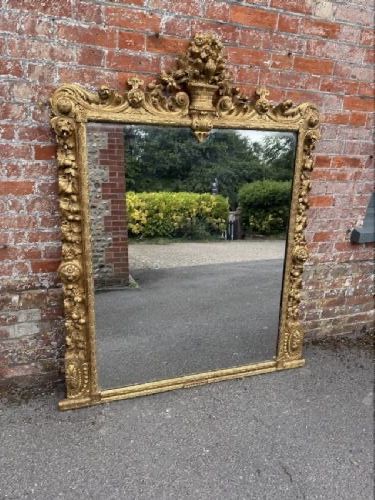
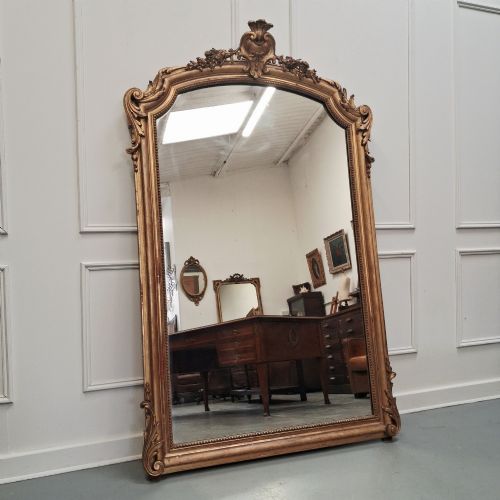
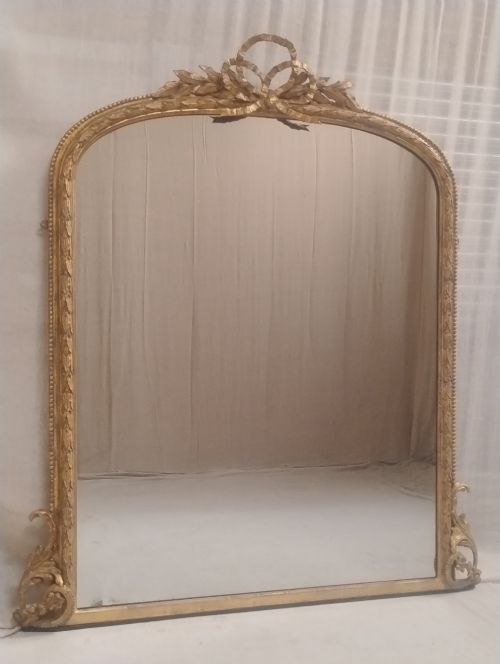
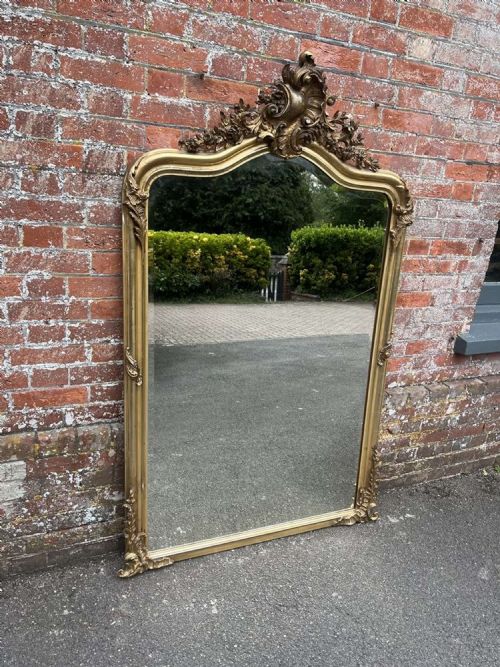
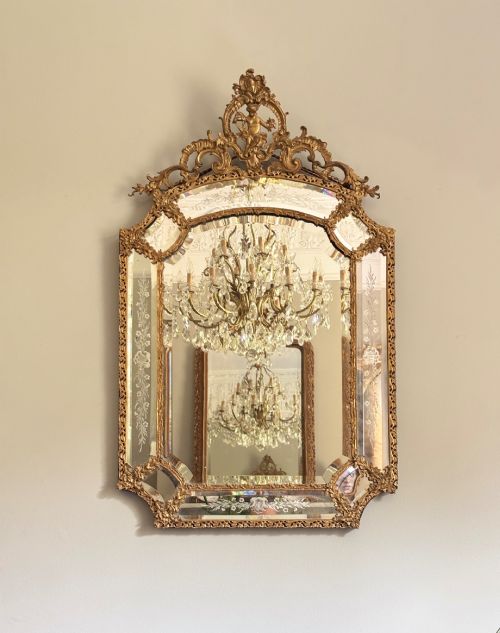
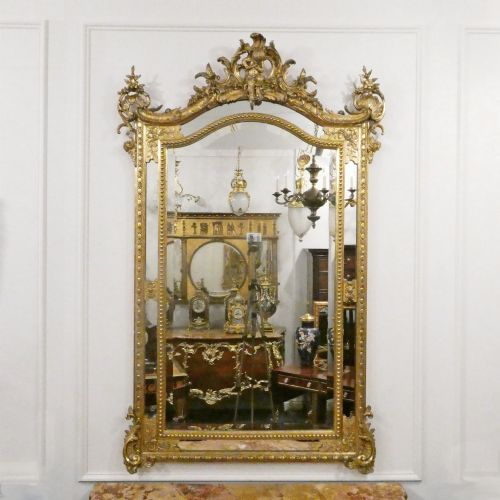
A gilt crest overmantel provides a grand architectural focal point above a fireplace, defined by substantial scale and ornate cresting.
Gilt Crest Overmantel
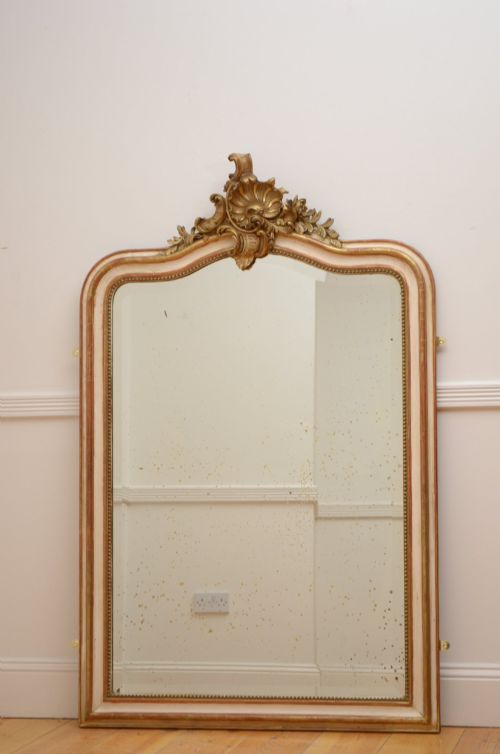
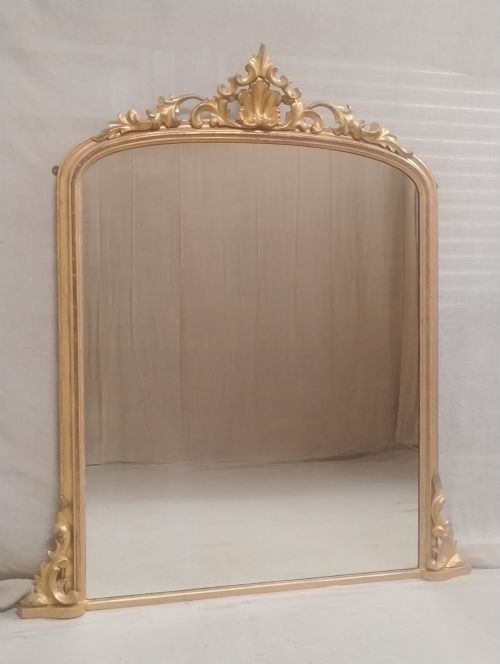
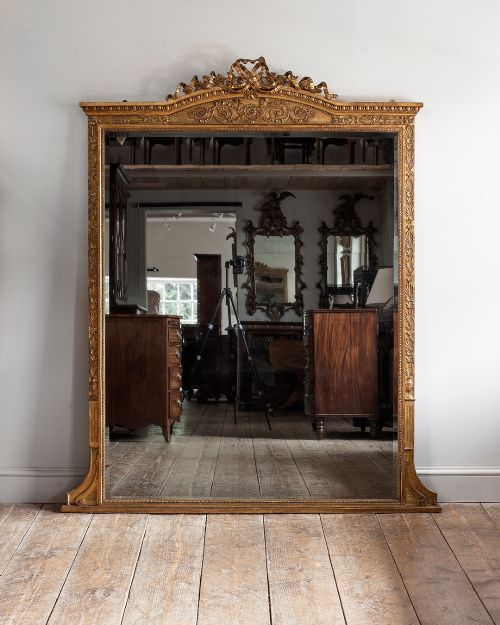
A gilt crest overmantel is a large decorative mirror designed to sit directly upon a mantelpiece, featuring an elaborate crest or pediment at the upper frame. These pieces span the eighteenth, nineteenth, and early twentieth centuries, with a strong representation of nineteenth-century French and English manufacture.
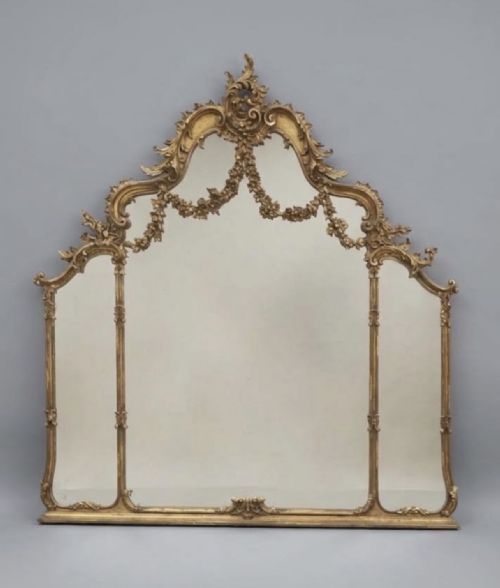
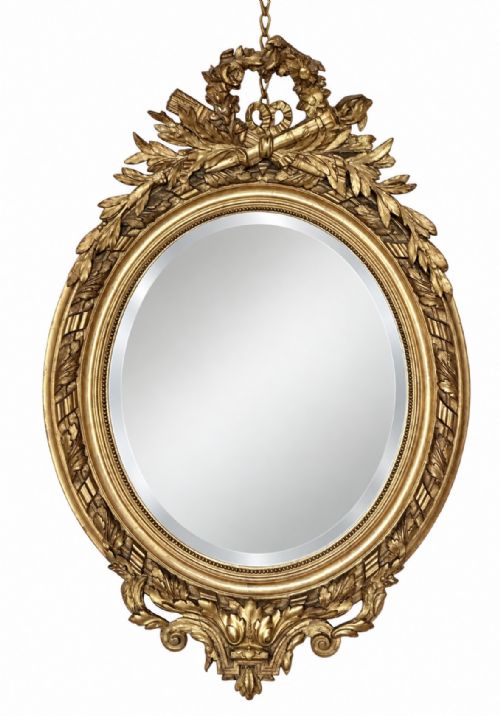
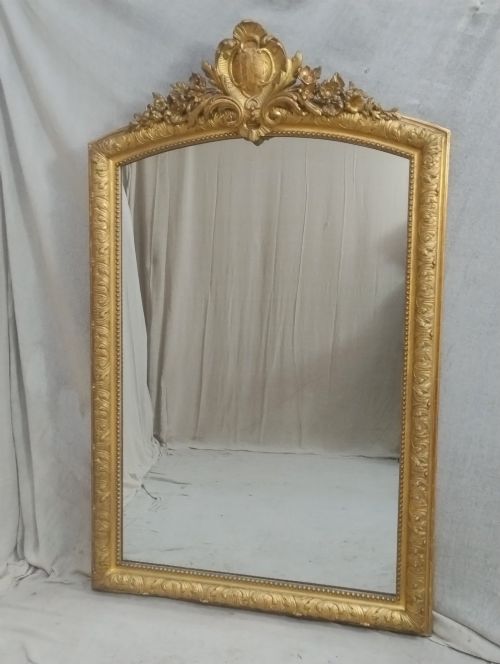
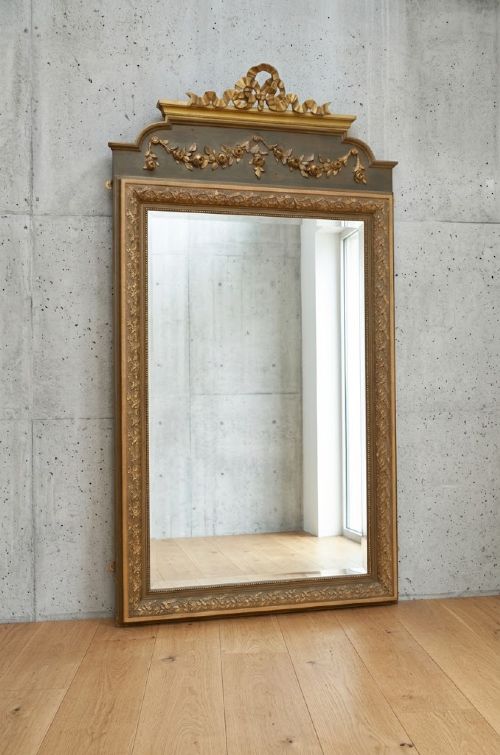
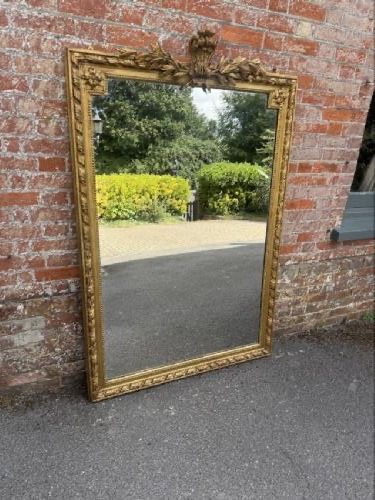
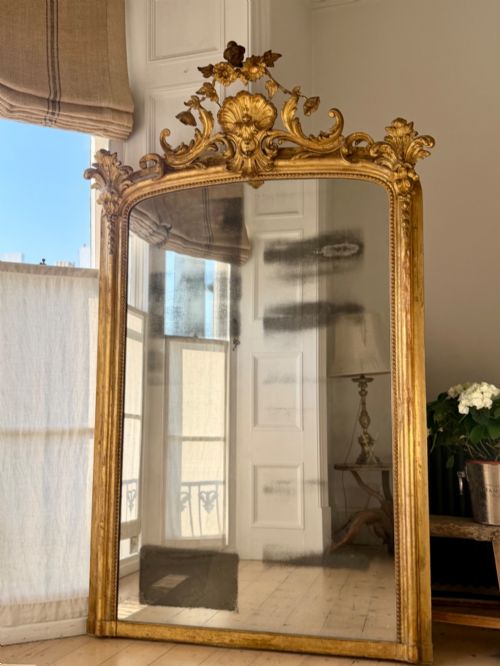
The most common version met on this page is a nineteenth-century French or English piece, frequently displaying Louis XV, Rococo, or Adam revival styling with arched or shaped tops. Examples range from simple architectural frames to massive carved wood and gesso mirrors with central cartouches or ribbon crests.
Earlier eighteenth-century variants and later Edwardian interpretations also appear, alongside specialised forms such as triptych overmantels and pier mirrors with distinct cresting. Proportion and crest design dictate the overall character of each piece, whether intended for a formal chateau drawing room or a Victorian parlour.
Materials and construction
Carved timber forms the foundational structure of these mirrors, utilising woods such as mahogany, pine, and composite elements. Artisans applied moulded gesso over the wooden base to build up intricate scrollwork, floral motifs, and crest details before gilding.
Finishes typically involve gold leaf or gilt paint applied to the gesso surface, sometimes combined with parcel-gilt ebonised frames or olive green accents. Mirror glass plates are set within the rabbet, occasionally retaining original foxed mercury plates in eighteenth-century examples.
Several Victorian designs incorporate a Ho-Ho bird cresting, bringing a mythical Chinese phoenix perched atop the mirror frame.
Craftsmanship and condition
Quality rests in the depth and sharpness of the hand-carving upon the wooden frame and the crispness of the moulded gesso ornament, particularly around the crest. Superior pieces display harmonious proportions where the weight of the crest balances the expanse of the glass.
The integrity of the original gilding and the character of the mirror plate itself distinguish finer examples from standard production. Frames that retain their original primary gilding without extensive modern restoration hold greater depth of surface texture.
The Gilt Crest Overmantel Glossary
- Gesso
- A plaster-like mixture applied to wood frames to create a smooth surface for relief ornamentation and gilding. Artisans carved and moulded this material to form intricate floral and scroll details.
- Overmantel
- A mirror or decorative panel specifically scaled to hang or rest on the wall immediately above a mantelpiece. These pieces anchor the fireplace elevation within a room scheme.
- Cartouche
- An ornamental tablet or frame resembling a rolled-up scroll, frequently placed centrally on the crest of a mirror. It often serves as a focal point for carved armorials or symmetrical foliage.
- Foxing
- Small dark spots and speckling that develop in the silvering of antique mirror glass over time. This age-related patina is characteristic of older mercury plates.
- Pier glass
- A tall, narrow mirror designed to hang on the wall space between two windows. They share stylistic traits with overmantel mirrors but are proportioned for vertical wall spaces.
Gilt Crest Overmantel: Frequently Asked Questions
Where should an overmantel mirror be hung?
These mirrors are traditionally positioned to rest directly on the mantelpiece shelf, anchored securely to the wall for safety. Their scale allows them to reflect light and anchor the lower half of the chimney breast.
Alternatively, they can be hung slightly above the mantel shelf depending on the height of the fireplace surround and the ceiling height of the room.
How do I identify a French style mirror?
French style pieces from the nineteenth century often exhibit fluid Rococo Revival asymmetry, Louis XVI neoclassical straight lines, or Louis Philippe rounded upper corners. Look for carved ribbon crests, olive green accents, and rich gesso moulding.
English variants from the same eras tend to follow Chippendale or Adam revival idioms with more formal symmetry and carved mahogany elements.
What is foxed glass?
Foxed glass refers to the natural oxidation and degradation of the silver backing behind the mirror glass, resulting in speckled dark spots. This chemical ageing process occurs over decades or centuries.
Many collectors prize genuine foxed mercury glass for the authentic antique atmosphere and soft reflection it brings to a room.