



Gilt Ceramic Planter
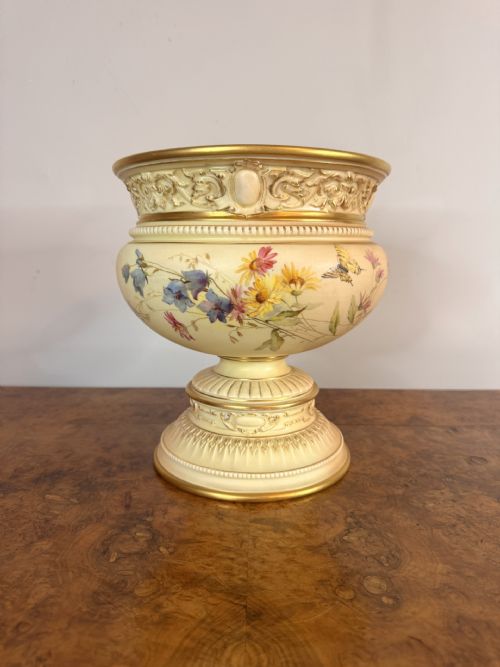
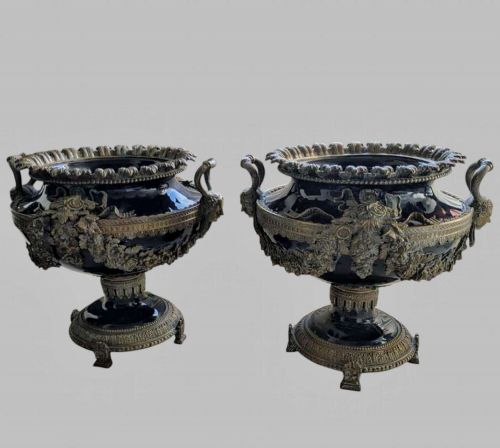
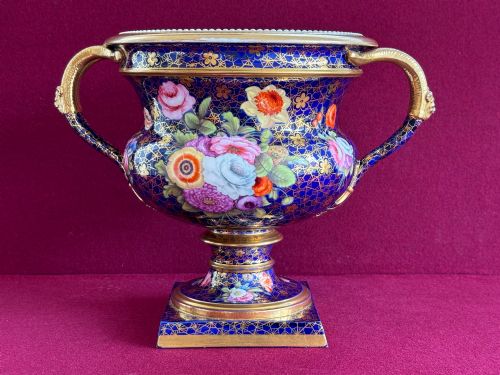
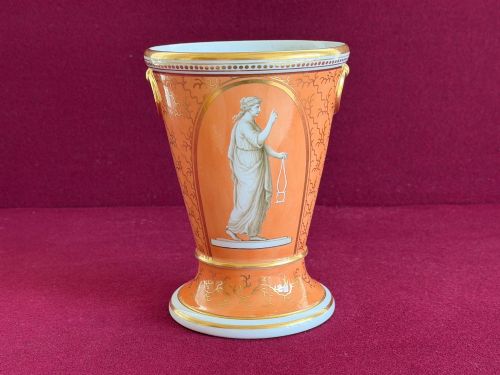
These gilt ceramic planters bring instant botanical elegance to a room, offering grand porcelain and earthenware vessels rich in historic gilding.
Gilt Ceramic Planter
A gilt ceramic planter combines fired clay bodies with metallic gold decoration, creating vessels designed specifically to house plants and floral arrangements. When searching for a gilt ceramic planter, buyers encounter diverse forms ranging from large footed jardinieres to classic urns and decorative bowls.
The selections span multiple historic eras, most notably the nineteenth century, alongside Georgian, Regency, and early twentieth-century pieces. European factories and Japanese workshops alike produced these works, employing styles from French Neoclassical and Victorian to Art Nouveau and Meiji periods.
Jardinieres and cachepots dominate the available forms, often accompanied by classical vases and ormolu mounts. These pieces served as indoor garden ornaments for grand interiors, holding potted palms or floral displays.
Materials and construction
Makers utilised fine porcelain and earthenware as the foundational ceramic base, shaping them into substantial vessels, bowls, and urns. These bodies were hand-painted or glazed before receiving their decorative metallic layers.
Gilding techniques involved the application of gold leaf or gilt bronze mounts, known as ormolu, to enhance the ceramic surfaces. Factories such as Royal Worcester, Spode, and Meissen combined these rich metal accents with intricate hand-painted details.
Gilt Ceramic Planter Retail Price Guide 2026
Typical asking prices for gilt ceramic planter among the pieces listed under this phrase on Sellingantiques today, from the lower quarter to the upper quarter. They describe what is for sale here now, not the wider market.
Listings feature works from nineteenth-century France, England, and Japan, spanning porcelain, earthenware, and gilt bronze.
Qualities of distinction
The refinement of the ceramic body and the precision of the hand-painted details separate standard production from masterworks. Superior pieces display crisp moulding, delicate brushwork, and harmonious integration of metallic gilding with the underlying glaze.
The presence of renowned factory marks, original ormolu mounts, or distinct stylistic periods elevates a piece's standing. Exemplary execution in the gilding and preservation of the ceramic surface dictate the upper tier of these vessels.
Royal Worcester·Spode·Flight and Barr·Staffordshire Adams·Royal Dux·Coalport·Samson·Minton·Meissen
The Gilt Ceramic Planter Glossary
- Jardiniere
- An ornamental ceramic or metal pot or stand for flowers or plants. These large vessels formed a focal point in nineteenth-century interiors.
- Ormolu
- Gilded bronze mounts applied to furniture, clocks, and ceramic pieces. This decorative technique added substantial weight and classical splendour.
- Cachepot
- An ornamental container used to conceal an ordinary flowerpot. They protect interior surfaces while displaying botanical arrangements.
- Majolica
- Opaque tin-glazed earthenware decorated with brightly coloured enamels. This technique produced vivid surfaces popular during the nineteenth century.
Gilt Ceramic Planter: Frequently Asked Questions
How were antique jardinieres used?
These vessels held potted plants or floral arrangements to bring nature indoors. Wealthy households placed them on pedestals, tables, or hearths during warmer months.
They functioned primarily as decorative cachepots to hide plain clay nursery pots. Their substantial size allowed for large, dramatic botanical displays in principal rooms.
Where should I place a ceramic planter?
Position these vessels where their painted surfaces and gilt details catch natural light. Console tables, sideboards, and large pedestals provide sturdy foundations for heavy ceramic bodies.
Ensure they rest away from heavy household traffic to protect delicate ormolu mounts and hand-painted glazes. Using a modern inner liner preserves the historic interior ceramic.
How do I date a porcelain jardiniere?
Examine the base for factory marks, impressed ciphers, and painted signatures. Different makers altered their backstamps across decades, providing reliable chronological markers.
Consider the artistic style, such as Art Nouveau curves or Regency classical proportions. Material composition and gilding techniques also correspond to specific manufacturing eras.