
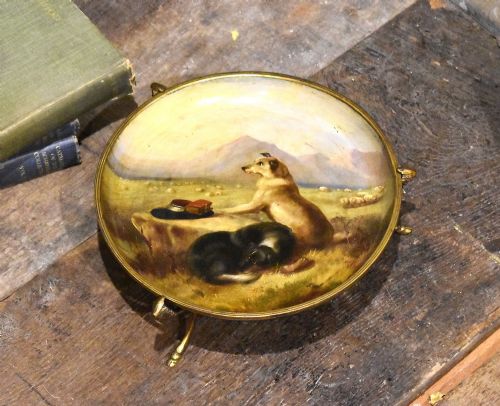
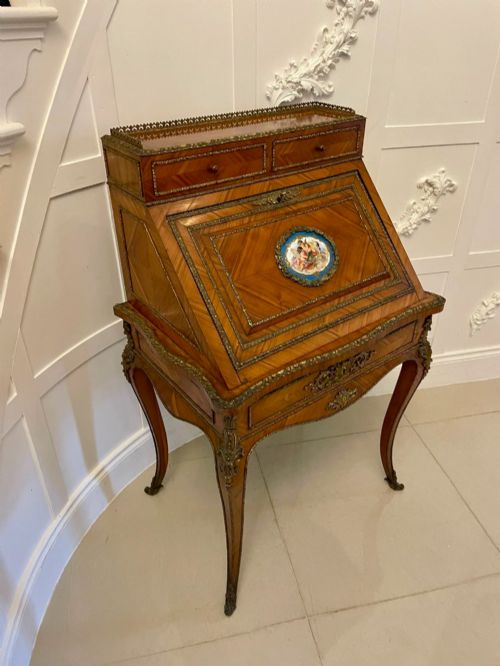
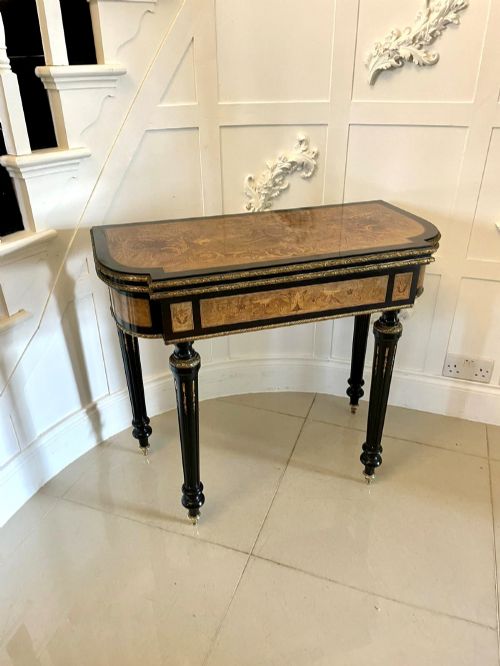
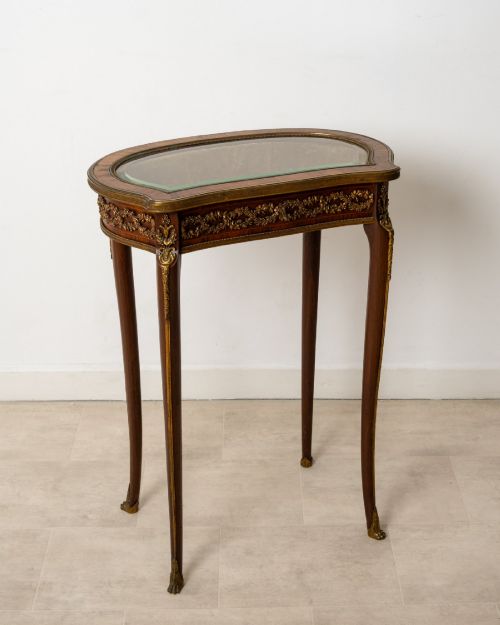
Gilt Bronze Ormolu
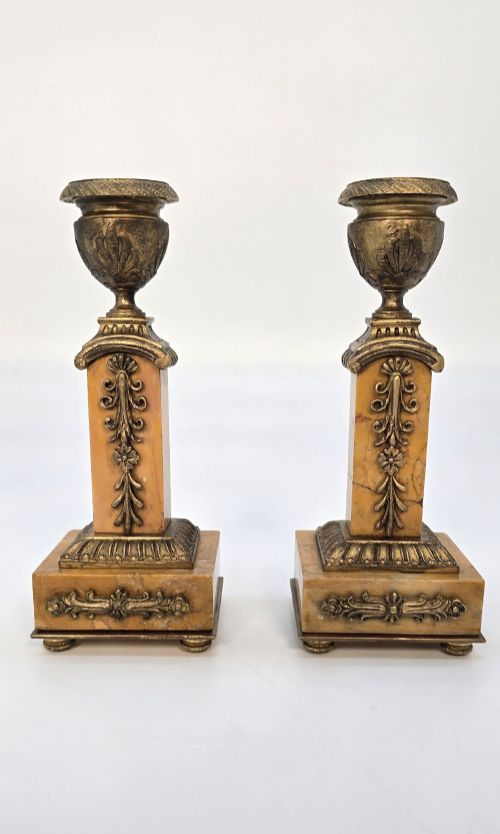
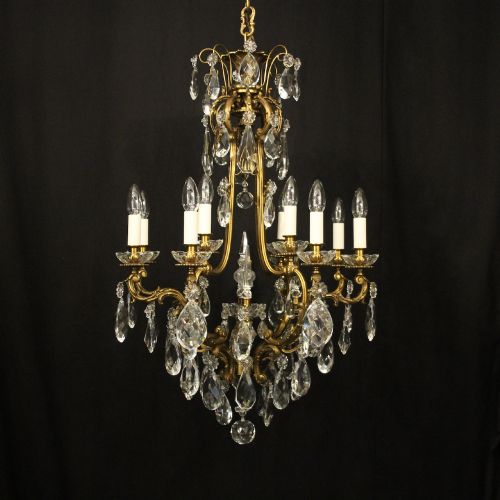
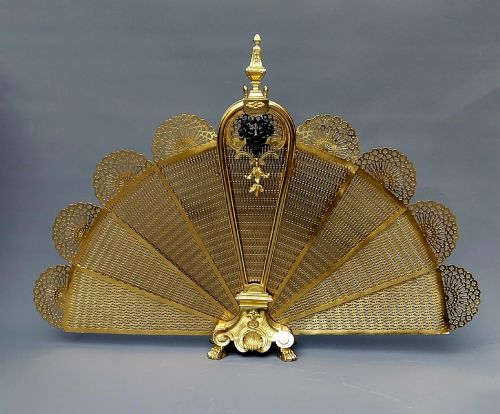
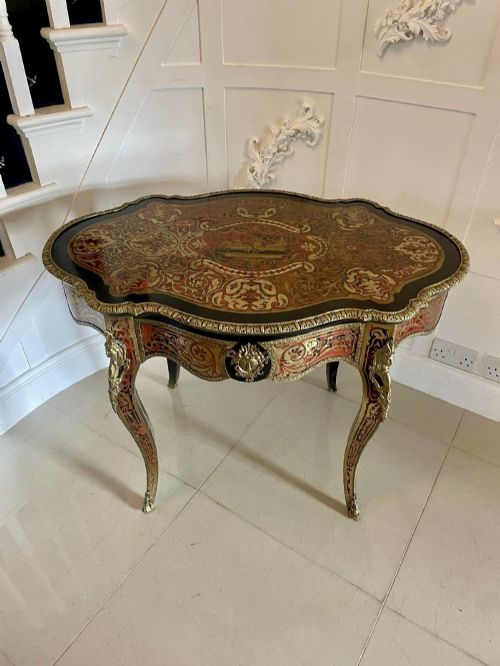
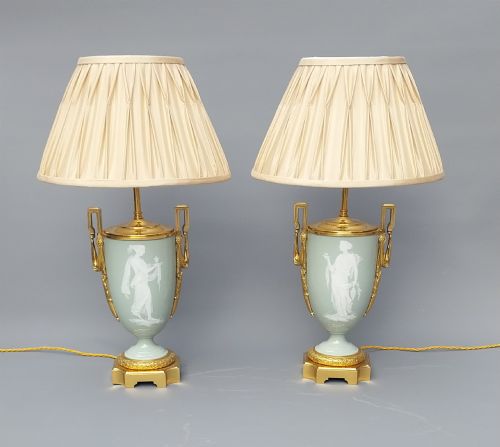
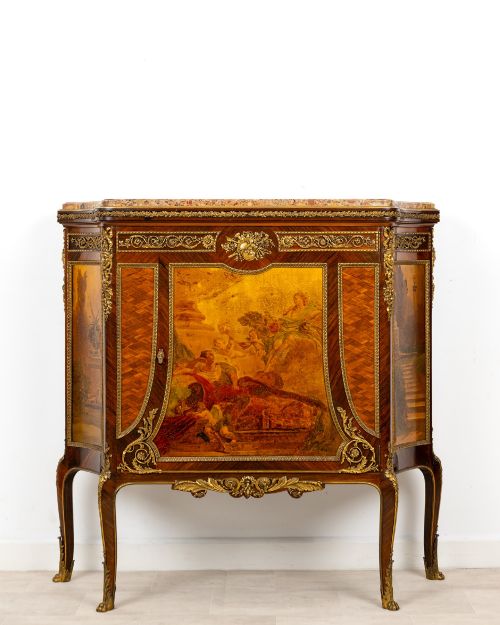
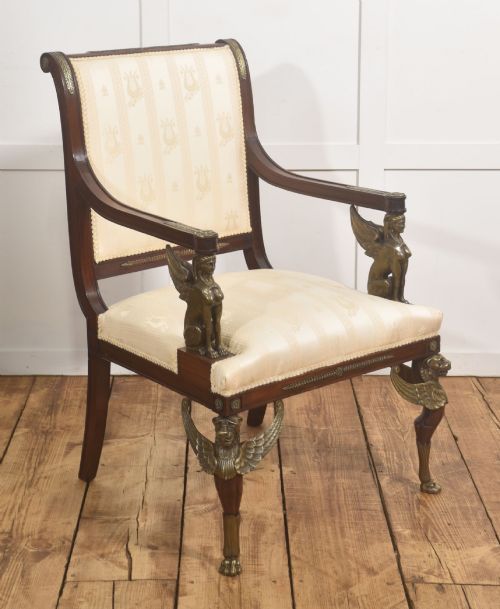
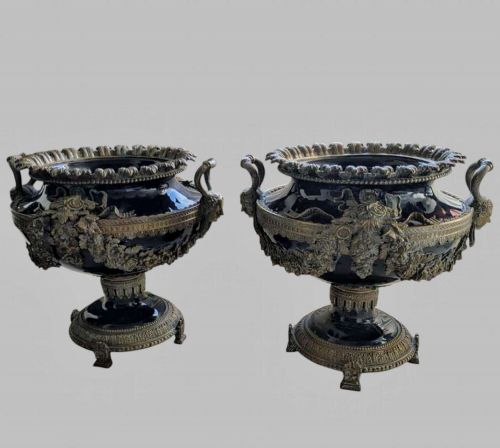
These pieces of gilt bronze ormolu combine heavy metal castings with bright gold finishes to anchor grand French interiors.
Gilt Bronze Ormolu
Items listed under gilt bronze ormolu encompass decorative objects, furniture mounts, and household hardware produced largely across the nineteenth century.
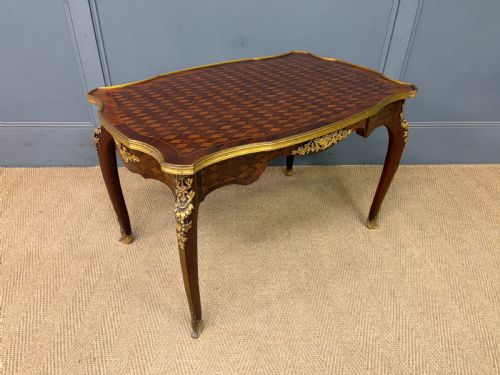
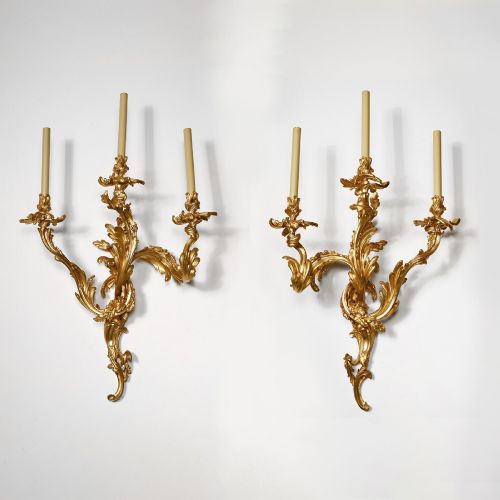
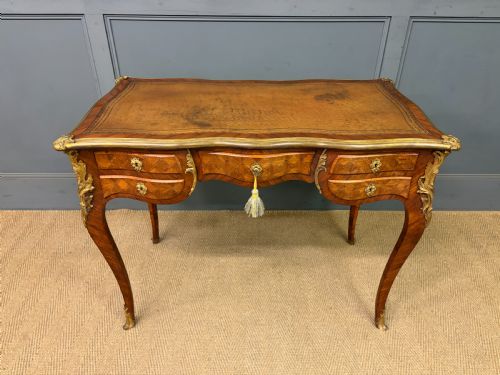
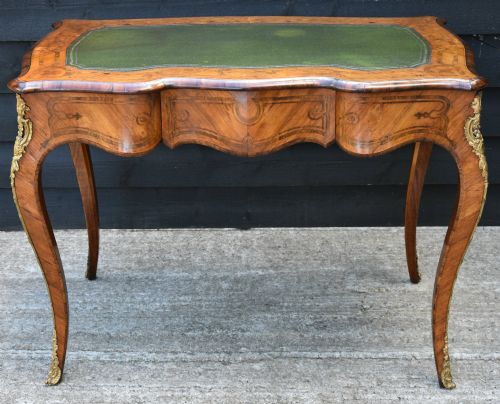
Buyers encounter mantel clocks, chandeliers, wall lights, and centre tables featuring cast metal elements alongside porcelain, marble, and glass.
The selection spans French revival styles, from Louis XVI and Rococo to Empire, reflecting historical design movements of the eighteen-hundreds.
How they were made
Craftsmen cast figures and mounts in bronze or brass before applying gold amalgamation techniques to achieve the distinctive ormolu surface.
Pieces frequently incorporate secondary materials like Sevres porcelain plaques, white onyx, and polished marble to add colour and texture to the metalwork.
Listings feature clock cases paired with Sevres porcelain plaques and Brocot escapements across nineteenth-century production dates.
What varies in quality
The crispness of the chasing determines how sharply details emerge from the cast metal after cooling.
Depth and coverage of the mercury gilt layer dictate the longevity and warmth of the golden finish across varied lighting conditions.
Japy Freres·Jean-Baptiste Delettrez·Edward Holmes Baldock·Poix Blin·Achille Brocot·Susse Freres·Johnstone And Jeanes·Jacques Birckle
The Gilt Bronze Ormolu Glossary
- Ormolu
- A golden surface finish created by applying a mercury and gold amalgam to a bronze casting and heating it until the mercury evaporates. This technique produces a durable, rich metallic lustre characteristic of antique French decorative arts.
- Champleve
- An enamelling technique where troughs or cells are hollowed out of a metal surface and filled with vitreous enamel paste before firing. It frequently appears alongside gilt mounts on clocks and tazzas.
- Vernis Martin
- A simulated Japanese lacquer technique developed in France, often seen on cabinets and vitrines complemented by gilt bronze mounts. It involved applying multiple layers of varnish to achieve a glossy finish.
- Fender
- A decorative metal guard placed around a fireplace hearth to contain embers. Examples in this category often feature cast bronze putti and ormolu mounts.
- Cassolette
- A decorative vessel that functions alternately as a vase or a perfume burner, typically fashioned from marble and mounted with gilt bronze.
Gilt Bronze Ormolu: Frequently Asked Questions
How do I clean antique ormolu?
Dust surfaces gently with a soft dry brush to prevent accumulation in recessed chasing. Avoid abrasive commercial metal cleaners that strip the remaining gold layer.
Moisture can damage underlying wood or porcelain components often paired with these metal mounts. Consult a professional conservator if tarnish requires chemical intervention.
Were these pieces made exclusively in France?
Many items originate from French workshops and Parisian foundries following historical design canons. British cabinetmakers also imported these mounts to embellish domestic furniture.
Design vocabulary often follows French royal styles regardless of the manufacturing workshop's exact location.
How do clock movements affect value?
Original mechanical movements bearing maker signatures provide historical context for the entire piece. Restored escapements ensure the mechanism functions reliably for daily use.
Matching dial signatures to recorded horologists confirms the authenticity of the clock assembly.
What is Grand Tour ormolu?
Grand Tour items were acquired by travellers visiting continental cultural sites during the nineteenth century. These scale models replicate famous architectural columns and sculptures.
They served as portable souvenirs documenting classical education and European travel.