


Gilt Bronze Mounted Cupboard
A gilt bronze mounted cupboard brings nineteenth-century French elegance and heavy cast metal ornamentation directly into a room.
Gilt Bronze Mounted Cupboard
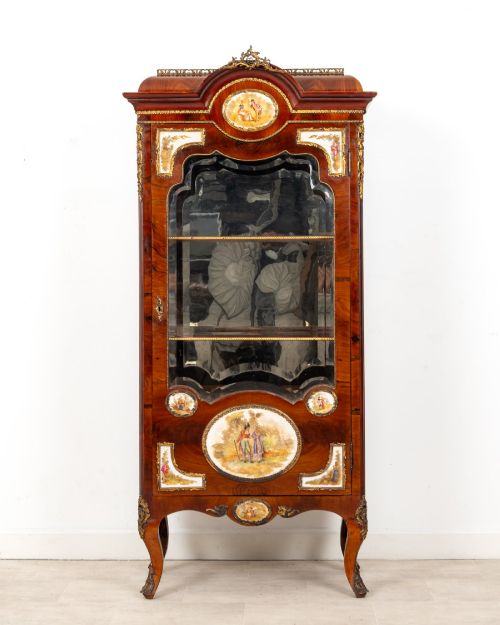
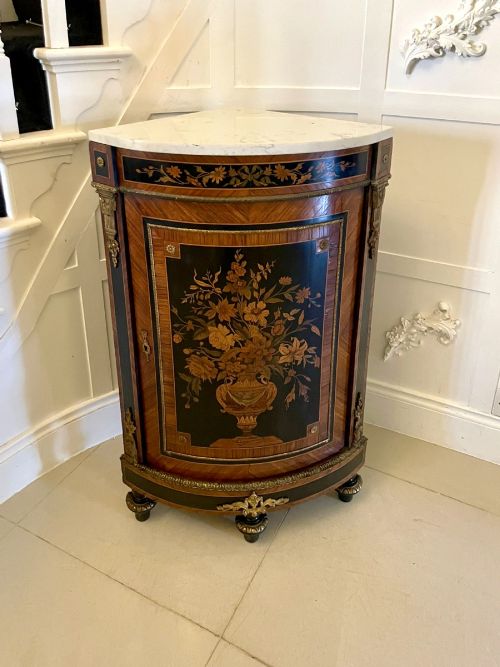
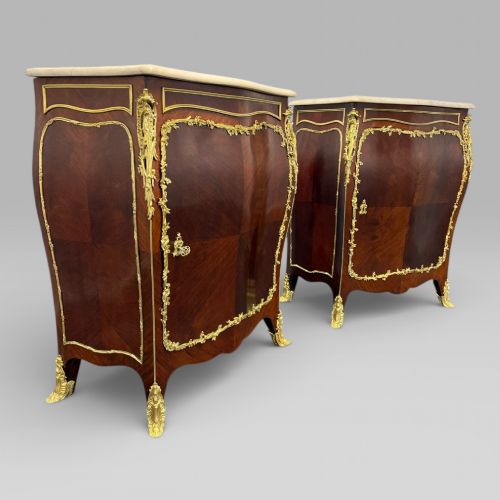
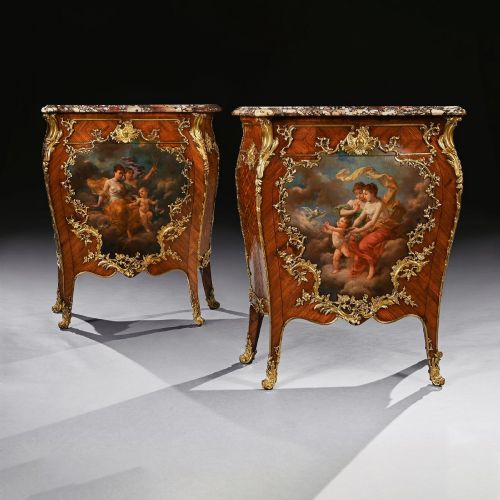
A gilt bronze mounted cupboard takes several shapes across nineteenth-century French and continental production, appearing primarily as side cabinets, commodes, vitrines, and corner cabinets. These pieces serve as functional storage while displaying elaborate metal mounts along corners, friezes, and feet.
The versions met most often on this page date from the nineteenth century, including specific years like 1860, 1880, 1900, and the Victorian period. Makers frequently drew inspiration from earlier royal French aesthetics, producing items in Louis XV, Louis XVI, and Napoleon III styles.
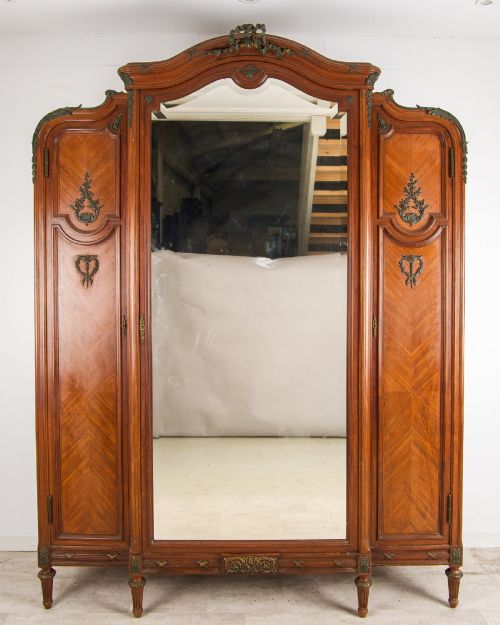
Buyers encounter forms ranging from small bedside chests and pier cabinets to monumental armoires and wardrobes. Many incorporate marble tops in various shades alongside specialised compartment layouts for display or storage.
Materials and Technique
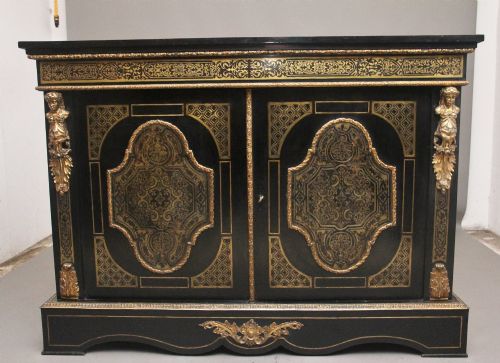
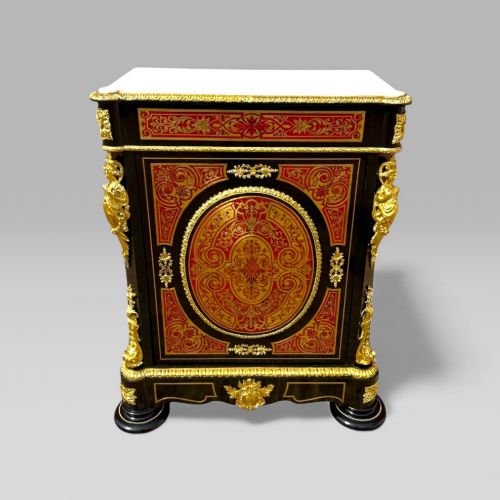
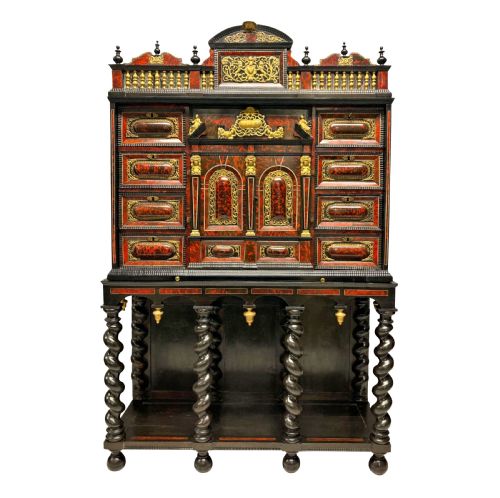
Cabinetmakers utilised dense timbers such as kingwood, walnut, mahogany, satinwood, and ebonised wood as the primary structural foundation, often applying intricate marquetry patterns or boulle work with brass and tortoiseshell. Surface decoration also included painted Vernis Martin panels and porcelain plaques.
Ornaments cast in ormolu or gilt bronze are secured to the exterior of the woodwork, defining the structural lines of doors, drawers, and corners. Smooth stone slabs, including marble and pietra dura, complete the upper surfaces of commodes and side cabinets.
Several cabinets double as music storage, proving that nineteenth-century collectors also needed a neat place to hide their sheet music.
Evaluating the Pieces
Quality separates ordinary production from exceptional work through the crispness of the bronze casting and the precision of the timber marquetry. Highly regarded pieces display deeply chased ormolu mounts with sharp definition and varied surface finishes.
The selection of fine veneers, the integration of hand-painted panels or porcelain inserts, and the inclusion of original marble tops distinguish the upper tier of these cabinets. Maker attribution also elevates the standing of a piece within the nineteenth-century corpus.
E. Kahn·Paul Sormani·Edmond Poteau·Zweiner·Beurdeley
The Gilt Bronze Mounted Cupboard Glossary
- Ormolu
- A gilded bronze ornament applied to furniture mounts. This technique involves coating cast bronze with a layer of gold amalgam.
- Marquetry
- Inlaid wood pieces arranged to form decorative patterns on furniture surfaces. Craftsmen cut contrasting veneers to fit precisely within a prepared ground.
- Vitrine
- A glass-fronted display cabinet designed for showing porcelain and small objects. These pieces often feature glazed side panels to maximise light.
- Boulle
- A style of marquetry using brass and tortoiseshell inlaid together. This decorative method bears the name of André-Charles Boulle.
- Vernis Martin
- A type of decorative lacquer finish developed in France. It mimics Asian lacquerwork using translucent varnishes over painted designs.
- Meuble d'appui
- A French term for a sideboard or supporting cabinet. These low storage pieces typically stand against a wall beneath a mirror or painting.
Gilt Bronze Mounted Cupboard: Frequently Asked Questions
What rooms suit a gilt bronze mounted cupboard?
These cabinets work well in reception rooms, drawing rooms, or bedrooms where their decorative metalwork and timber veneers complement traditional interior schemes. Side cabinets and commodes provide surface space alongside enclosed storage.
Vitrines suit spaces designated for displaying collections of porcelain or small objects behind glass doors.
How do I distinguish Louis XV and Louis XVI styles?
Louis XV pieces, often linked to Rococo revival aesthetics, feature curved serpentine lines, asymmetrical mounts, and cabriole legs. The decoration relies heavily on naturalistic scrollwork and floral motifs.
Louis XVI style furniture moves towards straight lines, symmetrical geometric patterns, classical architectural details, and tapering fluted legs.
Are the marble tops original to the cabinets?
Nineteenth-century commodes and side cabinets were designed with fitted stone tops, frequently using marbles such as white carrara or breche d'alep. These slabs match the exact proportions and edge profiles of the wooden carcase.
Inspect the underside and seating of the stone to confirm it rests naturally within the rebate of the cabinet frame.
What is the difference between a commode and a side cabinet?
A commode functions primarily as a low chest of drawers or a cabinet with doors concealing interior shelving. It usually stands at a height suitable for placing objects or a mirror on the marble top above.
A side cabinet often incorporates display space or specialised internal compartments for music and writing equipment.