





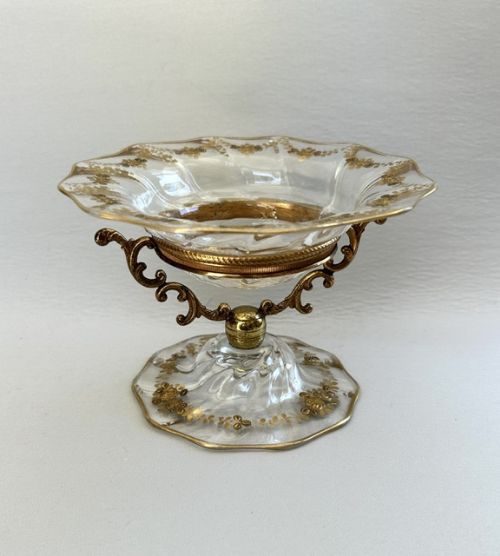


Gilt Bronze Mount Stands
Gilt bronze mount stands are decorative furniture pieces combining bronze mounts with fine timbers, marble and porcelain, prized for bringing French style and utility to interiors.
Gilt Bronze Mount Stands
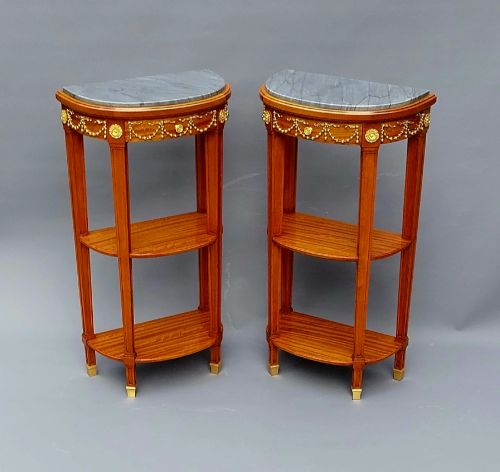
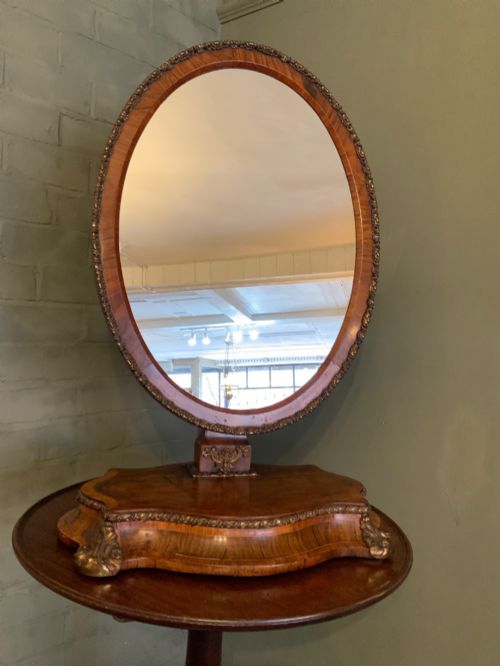
Gilt bronze mount stands encompass a diverse group of nineteenth-century furnishings designed for display and utility, including side tables, jardiniere planters, pedestals, and cabinets. These pieces frequently draw upon French Rococo, Louis XV, and Louis XVI revival styles, incorporating decorative mounts that accent the timber or marble structures.
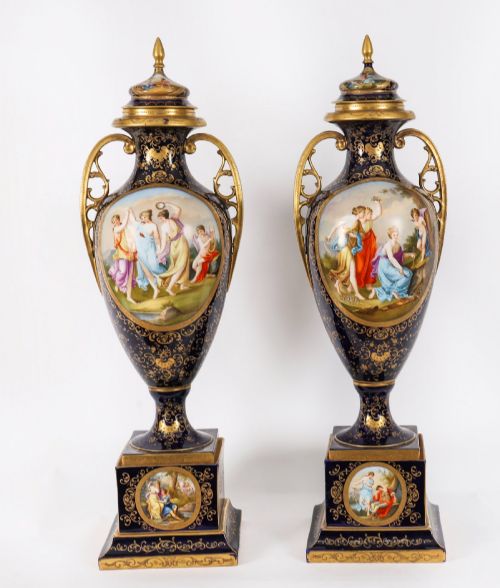
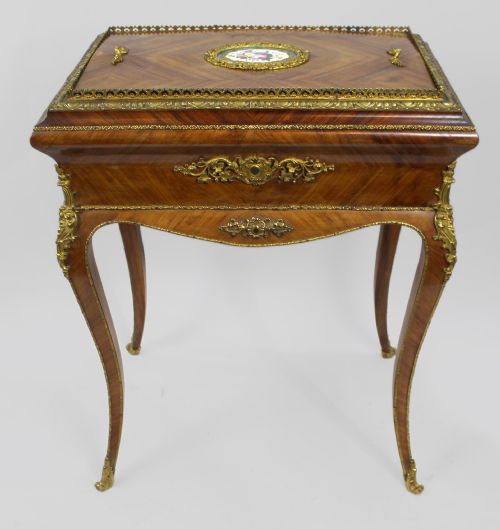
Buyers encountering this phrase most commonly meet nineteenth-century French examples, particularly gueridons, occasional tables, and jardiniere stands constructed from kingwood, walnut, or mahogany. These tables and pedestals often feature inset porcelain plaques or marble tops alongside detailed cast metal mounts.
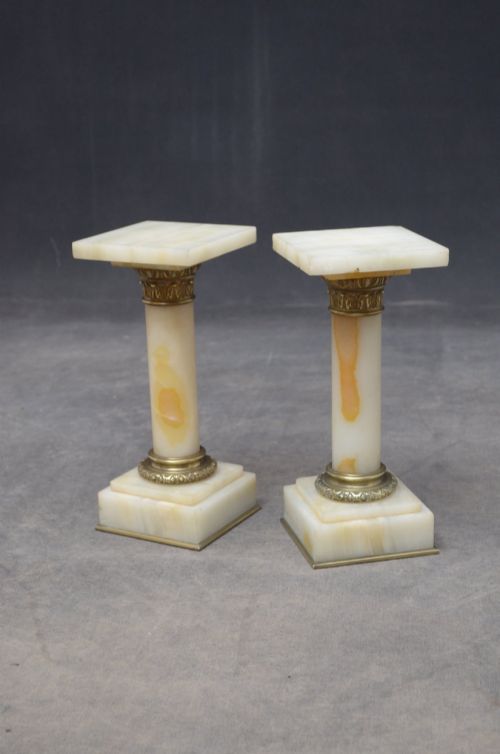
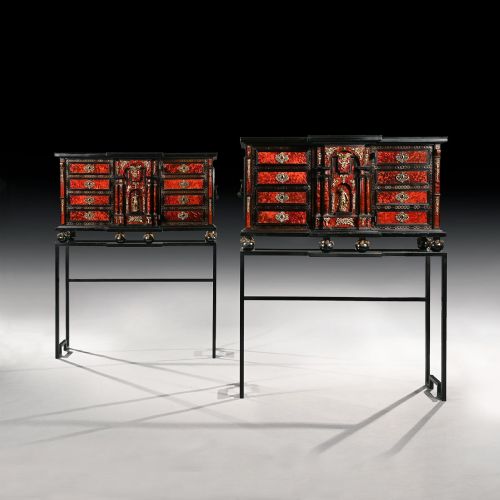
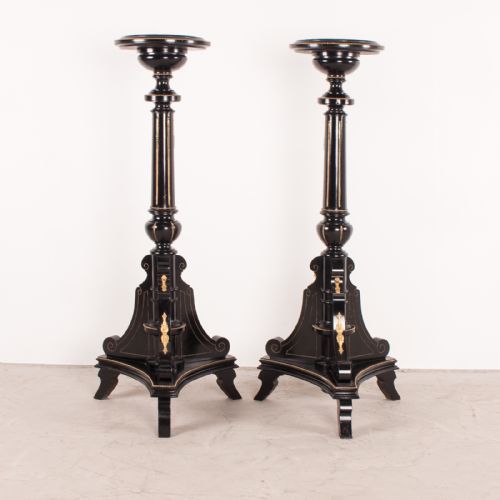
The selection ranges from tall onyx columns with ormolu collars to ebonised cabinets on stands and compact lamp tables. Such items served specific Victorian and nineteenth-century domestic functions, from holding plants and porcelain to displaying lamps and decorative objects.
How They Were Made
The construction of these stands relies on the pairing of dense hardwoods like kingwood, mahogany, walnut, and ebonised timber with cast ormolu and gilt bronze mounts. Cabinetmakers employed marquetry and inlay techniques alongside structural elements of marble and onyx for tabletops and columns.
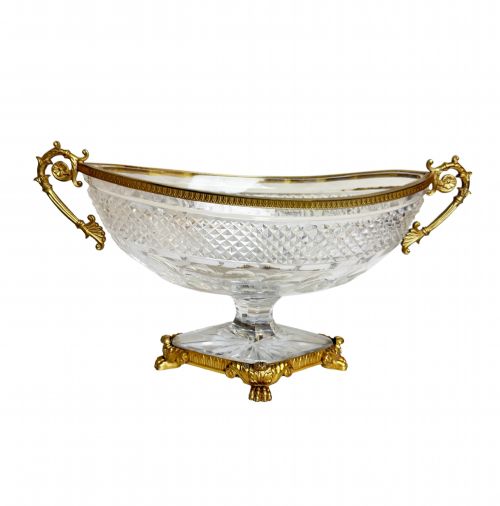
Metal components were cast in bronze or brass before receiving fire gilding or chemical finishing to create the characteristic ormolu surface. These gilt mounts were then hand-fitted to secure corners, frame porcelain plaques, and accent legs or pedestals.
Gilt Bronze Mount Stands Retail Price Guide 2026
Typical asking prices for gilt bronze mount stands among the pieces listed under this phrase on Sellingantiques today, from the lower quarter to the upper quarter. They describe what is for sale here now, not the wider market.
Among the stands wait pairs of porcelain birds perched permanently inside ormolu candelabra, guarding the room against sudden darkness.
What Varies in Quality
Quality in these stands rests upon the crispness of the bronze casting and the depth of its chording and finishing. Superior pieces display finely chased details in the ormolu mounts, whereas lesser examples show softer, flatter casting marks.
The choice of primary timbers and secondary materials dictates the tier of the piece, with figured kingwood, genuine marble tops, and hand-painted porcelain plaques separating workshop standards. Joinery precision and the integration of the mounts into the wooden or stone body further distinguish the finest examples.
The Gilt Bronze Mount Stands Glossary
- Ormolu
- Gilt bronze, where gold is applied to a bronze base using a mercury amalgamation technique or other gilding methods. This finish creates a durable golden lustre typical of French decorative hardware.
- Jardiniere
- A decorative stand, planter, or container designed to hold flowers or plants. These often feature waterproof liners and porcelain or marquetry decoration.
- Gueridon
- A small circular table supported by one or more columns or pedestals. Originating in the seventeenth century, these tables remained popular in nineteenth-century revival interiors.
- Marquetry
- The art of applying thin veneers of wood, shell, or ivory in patterned designs to a structural wooden surface. This technique creates pictorial or geometric ornamentation on tabletops and cabinets.
- Torchere
- A tall stand or pedestal originally designed to hold a torch or candle, later adapted for lamps. Nineteenth-century examples often utilise carved wood, onyx, or bronze.
Gilt Bronze Mount Stands: Frequently Asked Questions
What is a gilt bronze mount stand used for?
These stands functioned historically as display surfaces for lamps, porcelain, and decorative objects, or as dedicated planters for indoor greenery.
Today, they serve similar decorative purposes in domestic interiors, adding architectural height and metallic warmth to a room.
How do I identify a nineteenth-century French stand?
Look for characteristic revival styles such as Louis XV or Louis XVI, combined with materials like kingwood, mahogany, or onyx.
The presence of fire-gilt ormolu mounts and inset porcelain plaques typically points to nineteenth-century French cabinetmaking.
How should I care for ormolu mounts?
Ormolu requires gentle dusting with a soft, dry cloth to prevent the accumulation of grit in the chased recesses.
Avoid abrasive cleaners or chemical polishes, which can strip the thin gold layer from the underlying bronze.