



Gilt Brass Mounted Glass
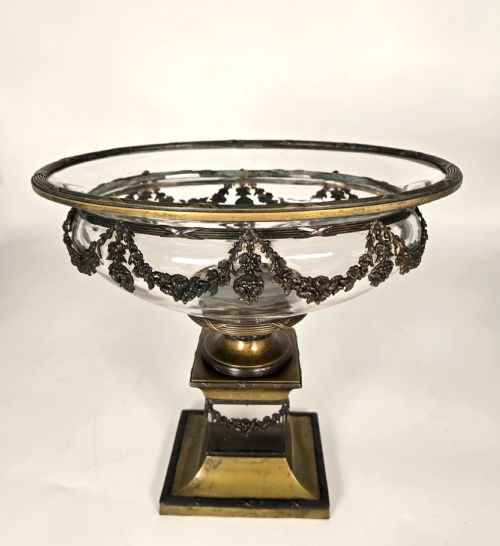
Gilt brass mounted glass brings together heavy cast metal and clear or coloured vessels to create objects of display and utility.
Gilt Brass Mounted Glass
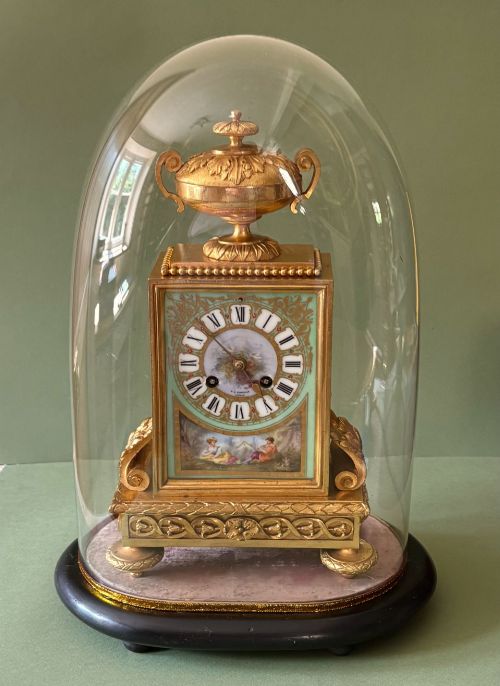
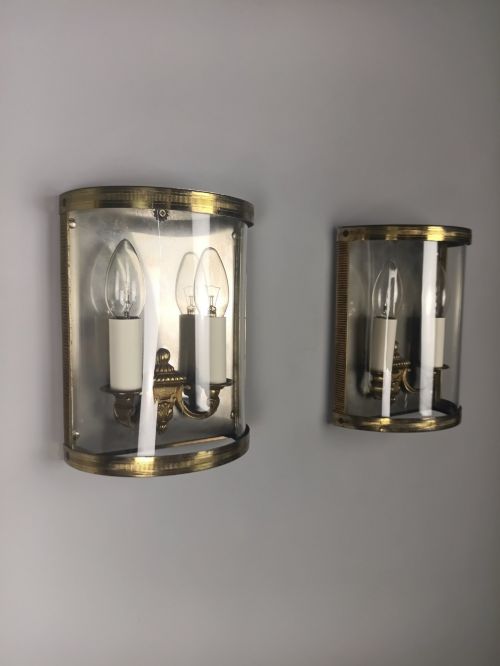
When you search for gilt brass mounted glass, you encounter items designed for interior adornment and practical use from the nineteenth and early twentieth centuries. These pieces combine transparent or pigmented glass bodies with structured metal collars, handles, and bases.
The objects span domestic and decorative forms, including lamps, centrepiece vases, ewers, and boxes. French makers dominate the selection, often working within revival styles that look back to earlier royal periods.
You meet items ranging from small desk accessories to substantial lighting fixtures and display vessels. Each piece relies on the contrast between polished metalwork and the reflective surface of the glass container.
Materials and construction
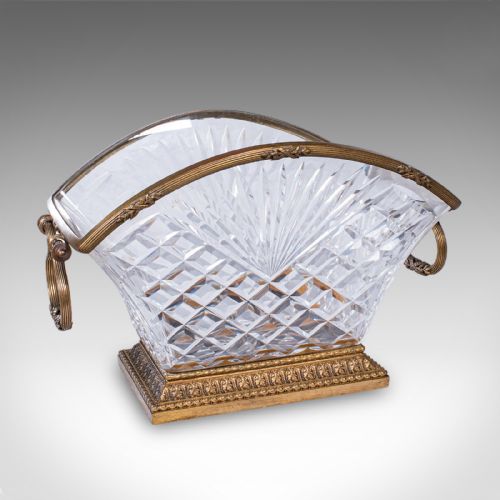
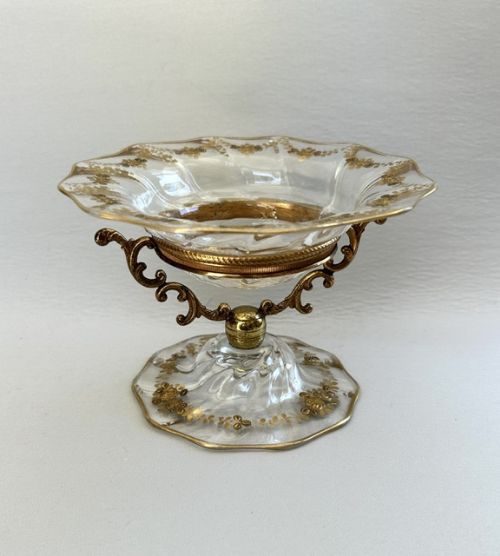
The primary elements consist of moulded, cut, or blown glass paired with cast brass or gilt bronze mounts. Artisans shaped the glass vessels by hand or in moulds before fitting them with metal collars and feet that were cast and chased separately.
Mechanical fixings such as threaded rods, pins, and screws secure the metal mounts directly to the glass components. Gilding was applied to the brass to impart a bright, durable finish that resisted tarnishing.
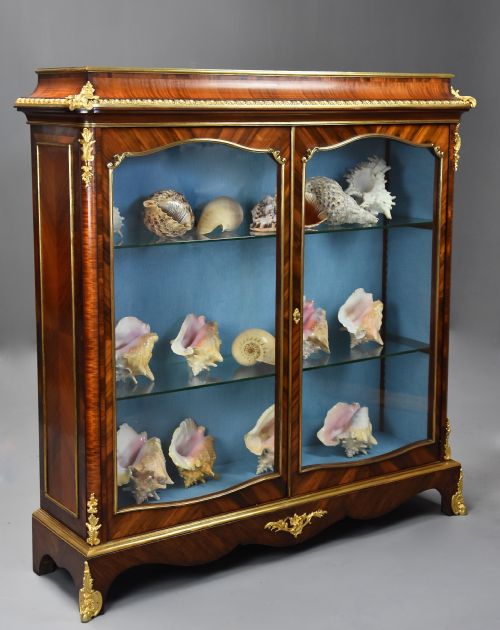
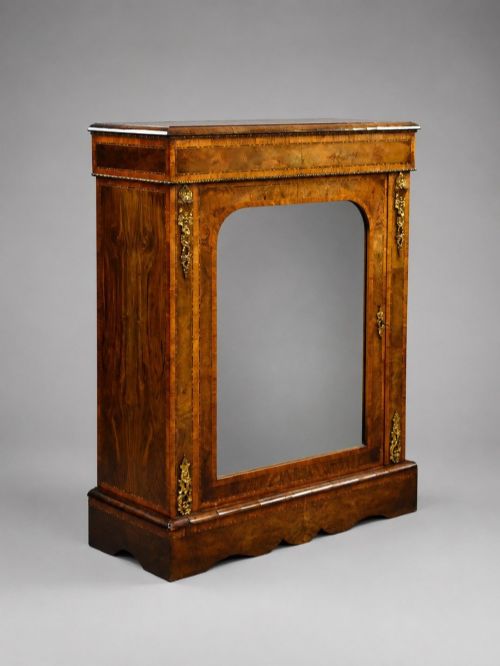
Secondary materials such as crystal, porcelain, and various timbers occasionally appear in related furniture supports and larger cabinet pieces, but the core relationship remains metal securing glass.
Gilt Brass Mounted Glass Retail Price Guide 2026
Typical asking prices for gilt brass mounted glass among the pieces listed under this phrase on Sellingantiques today, from the lower quarter to the upper quarter. They describe what is for sale here now, not the wider market.
Materials appearing alongside glass include ormolu, brass, gilt bronze, mahogany, velvet, cut glass, and porcelain.
Factors determining quality
The crispness of the chasing on the brass mounts separates standard items from finer works. Deeply sculpted foliage, clean edges, and well-defined cast details indicate superior workshop output.
The clarity and weight of the glass body also dictate the standard of the object. Heavy, brilliant-cut crystal or evenly coloured glass without bubbles represents better production values than thin, cloudy alternatives.
The precision with which the metal mounts fit the contours of the glass vessel reveals the skill involved in assembly. Gaps or uneven seating suggest hurried manufacture, whereas tight, integrated mounts denote careful hand-fitting.
François Linke·Paul Sormani
The Gilt Brass Mounted Glass Glossary
- Ormolu
- A gilded bronze or brass finish applied to metal mounts. It gives a bright gold appearance used extensively in nineteenth-century decorative arts.
- Mount
- A piece of metal attached to a glass or wood object for decoration or structural support. Mounts are commonly cast in brass or bronze.
- Ewer
- A large jug with a wide spout and handle, frequently paired with a basin. In this category, ewers combine glass bodies with ornate metal spouts and handles.
- Plafonnier
- A ceiling-mounted bowl light or flush-fitting light fixture. These often utilise cut glass bowls held by brass frames.
- Bijouterie
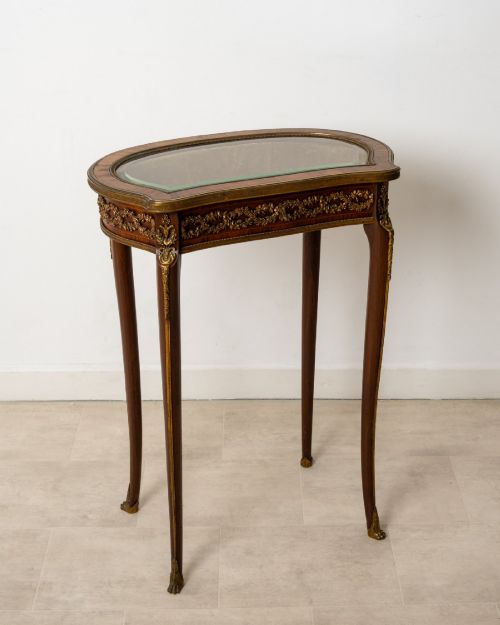
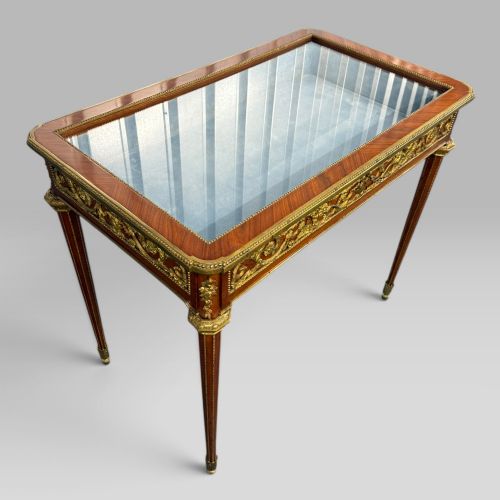
- Small decorative objects or jewellery, or the glass-topped display tables used to house them. These tables feature extensive metal framing around glass panels.
Gilt Brass Mounted Glass: Frequently Asked Questions
How do I clean gilt brass mounted glass?
Dust the metal mounts gently with a soft dry cloth to prevent moisture damage to the gilt surface. Clean the glass portions using a mild glass cleaner applied to a cloth rather than sprayed directly onto the object.
Avoid letting liquid cleaning agents seep between the metal mounts and the glass. Harsh chemical polishes will strip the gilding from the brass over time.
Are these lamps wired for modern electricity?
Many antique lamps have been rewired at various points in their history to suit modern safety standards. You should inspect the internal wiring of any lighting fixture before connecting it to a mains supply.
Where original wiring remains, replacement by a qualified electrician is generally recommended for safe daily use. The mounting hardware is usually robust enough to accommodate modern fittings.
What periods do these pieces come from?
The selection spans the nineteenth and early twentieth centuries, with a strong representation of Victorian and Edwardian examples. French manufacturing traditions from the second half of the nineteenth century feature prominently.
Stylistic influences draw heavily on earlier periods such as Louis XV and Louis XVI, reinterpreted by later workshops. Dates generally range from the mid-nineteenth century through the early nineteen-hundreds.
How were these decorative items used originally?
Vessels and ewers served as ornamental centrepieces on sideboards and credenzas in formal dining rooms and drawing rooms. Table lamps and lanterns provided functional illumination in grand domestic interiors.
Display boxes and caskets held small personal valuables, calling cards, or jewellery on desks and dressing tables. Their primary role was to demonstrate taste and refinement through costly materials.