



Gilt Brass Dish
These gilt brass dish examples bring warm metallic lustre and refined domestic ornamentation to a room.
Gilt Brass Dish
A gilt brass dish represents a tradition of decorative metalwork designed for display or service within the home. When you search for a gilt brass dish, you encounter vessels ranging from shallow platters and tazzas to vide poches and decorative boxes.
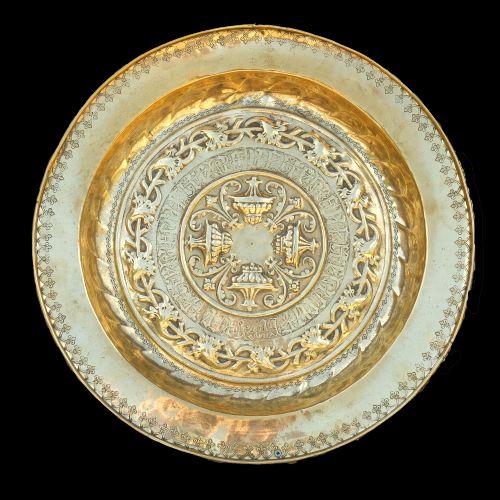
The pieces listed span multiple eras, including the sixteenth century, the Regency period, and various Victorian interpretations. Alongside straightforward brass work, the selection includes related forms executed in ormolu, bronze, latten, and precious stones.
Origins vary between domestic British workshops and continental European centres, particularly France. Forms lean towards ornamental service, tray placement, and centrepiece arrangement rather than plain utility.
How they were made
Makers utilised cast brass, ormolu, and bronze as foundational metallic bodies, often applying a layer of fire gilt or surface plating to achieve a luminous golden finish. These metals allowed artisans to cast intricate relief decoration and smooth structural contours.
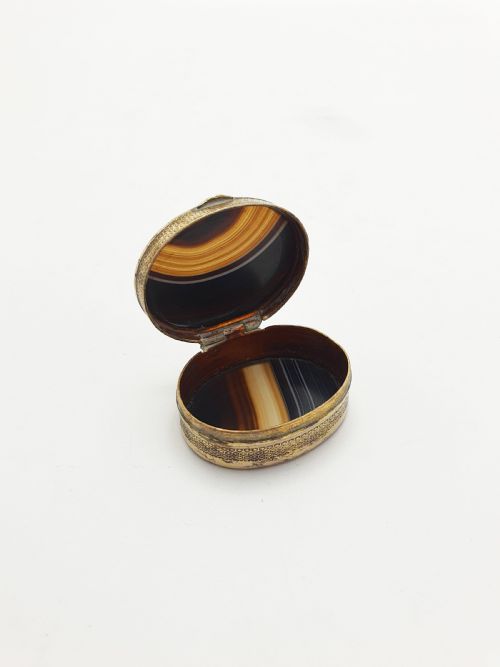
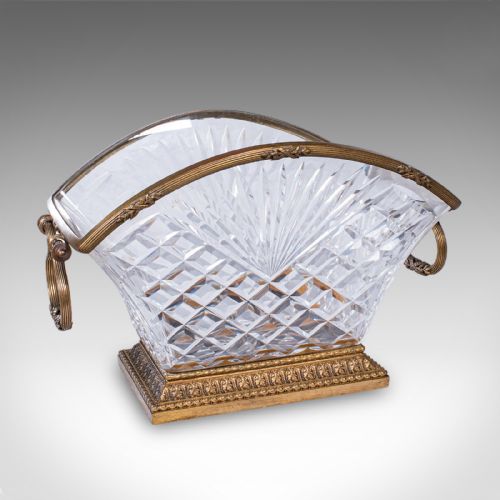
Many examples incorporate secondary materials such as cut glass, agate cabochons, and champlevé enamel panels. These contrasting inserts are secured into the metal mounts using traditional pins, bezels, or adhesives appropriate to the period.
Gilt Brass Dish Retail Price Guide 2026
Typical asking prices for gilt brass dish among the pieces listed under this phrase on Sellingantiques today, from the lower quarter to the upper quarter. They describe what is for sale here now, not the wider market.
Materials appearing across the inventory include translucent cut glass, polished agate, and champlevé enamel alongside traditional ormolu and brass.
What varies in quality
The crispness of the cast ornamentation dictates the visual hierarchy of these objects. Superior examples display sharp relief work and clean hand-chasing on the metal surface, whereas lesser pieces show softened details from worn production moulds.
The integration of secondary elements like agate stones, cut glass, or enamel determines the overall refinement. Higher-quality pieces feature well-matched mineral specimens and secure, precise fitting within the metal framework.
The Gilt Brass Dish Glossary
- Ormolu
- Gilded bronze, typically produced using a mercury amalgamation technique during the eighteenth and nineteenth centuries. This finish gives a rich, buttery golden appearance to decorative mounts.
- Latten
- A type of mixed yellow metal resembling brass, widely used in earlier European metalwork for domestic vessels and church plate. It is durable and takes a deep polish.
- Vide poche
- A small tray or dish placed in a hallway or drawing room to empty pockets of coins and keys. The term translates literally from French as empty pocket.
- Cabochon
- A gemstone or mineral cut with a smooth, convex domed surface rather than faceted edges. They are frequently set directly into metal mounts on nineteenth-century decorative pieces.
- Tazza
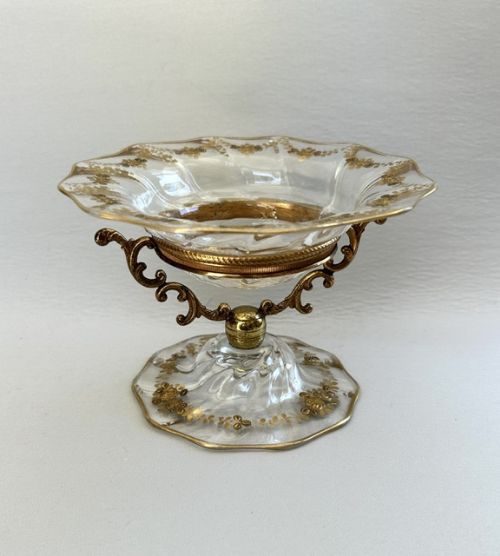
- A shallow saucer-like dish mounted upon a stem and foot, used historically for serving fruit or sweetmeats. It provides height and architectural presence on a table or sideboard.
Gilt Brass Dish: Frequently Asked Questions
What is a gilt brass dish used for?
These pieces function primarily as decorative objects for sideboards, dressing tables, or centrepieces. Historically, similar vessels held small personal items, sweetmeats, or served as ornamental presentation trays.
Today, they suit modern interiors as catch-alls for small accessories or simply as standalone decorative accents that highlight metallic craftsmanship.
How do I clean a gilt brass dish?
Maintenance requires gentle dusting with a soft, dry cloth to prevent the accumulation of grime within the cast details. Avoid harsh commercial metal polishes, which can strip away thin historical gilding.
Professional conservation advice is recommended if tarnish is heavy, as aggressive rubbing damages the delicate surface finish permanently.
How do I date a gilt brass dish?
Dating relies on stylistic clues, casting techniques, and the presence of associated materials like cut glass or champlevé enamel. Earlier sixteenth-century items display heavier, hand-hammered latten construction.
Victorian and later nineteenth-century pieces often exhibit machine assistance, crisply cast ormolu, and revivalist motifs drawn from French Rococo or Renaissance styles.
Are these dishes made of solid gold?
None of these items are solid gold; they consist of base metals such as brass, bronze, or latten treated with a surface application of gold. This process, known as gilding or ormolu, provides the appearance of solid precious metal at a manageable weight.
Over the centuries, handling and cleaning can cause this outer layer to thin in high-friction areas, revealing the darker base metal beneath.