


Gillows of Lancaster Furniture
Gillows of Lancaster furniture combines solid workshop pedigree with high utility, bringing practical British craftsmanship into any interior.

Gillows of Lancaster Furniture
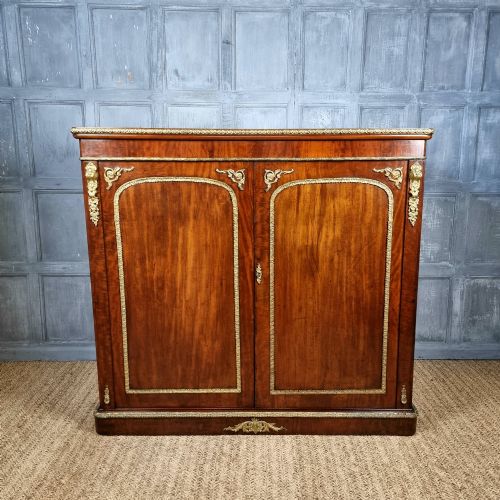
When you search for gillows of Lancaster furniture, you encounter practical items produced by this prominent Lancaster and London firm over successive decades. The pieces span periods from the Georgian and Regency eras through the Victorian epoch, reflecting changing domestic fashions.
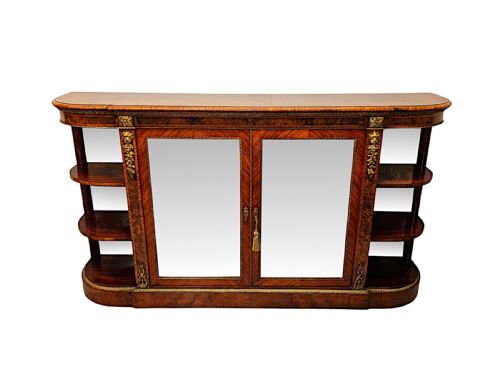
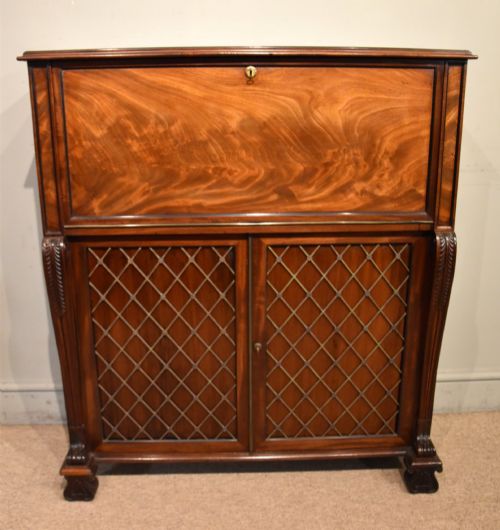
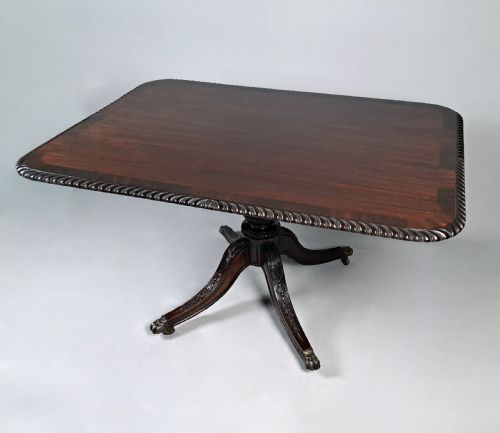
The selection here encompasses functional forms ranging from desks and dining tables to credenzas, side cabinets, and hall chairs. Buyers seeking these items typically desire documented workshop quality and robust cabinet-making that stands up to daily use.
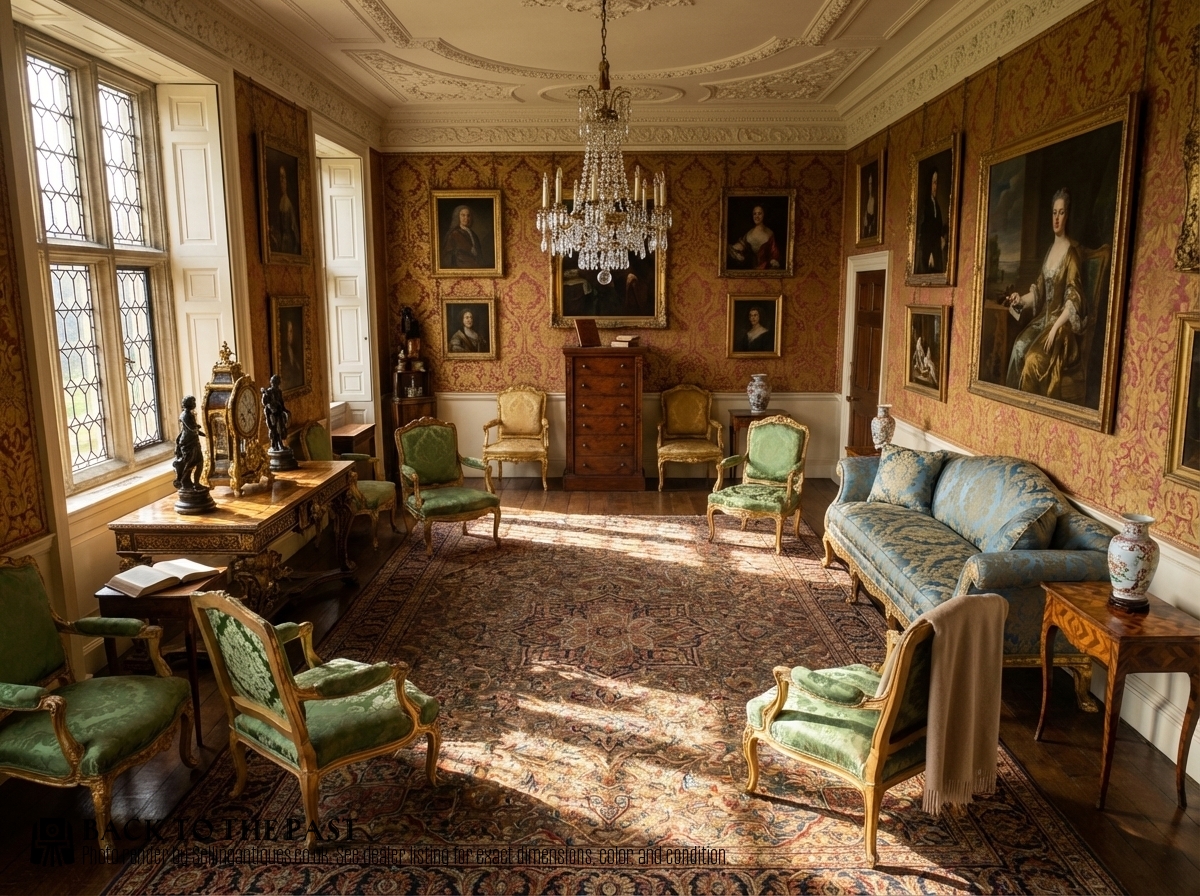
How they were made
Cabinet-makers relied heavily on dense primary timbers such as mahogany, oak, and walnut, often accentuating surfaces with flame mahogany or burr walnut veneers. Secondary framing timbers like oak or pine provide structural integrity beneath visible surfaces.
Detailing involves brass mounts, leather inserts for writing surfaces, and intricate marquetry or inlay work. Construction joints remain tight and precise, demonstrating the high level of joinery standard in the firm's workshops.
Gillows of Lancaster Furniture Retail Price Guide 2026
Typical asking prices for gillows of lancaster furniture among the pieces listed under this phrase on Sellingantiques today, from the lower quarter to the upper quarter. They describe what is for sale here now, not the wider market.
Footman's chairs provided a sturdy seat for servants waiting in draughty hallways during long winter evenings.
What varies in quality
The presence of a clear stamp, signature, or paper label directly affects desirability and historical standing. Marked pieces confirm workshop origin beyond mere stylistic attribution.
Figuration of timber veneers and the crispness of carved or ormolu mounts dictate the visual standard of individual items. More ambitious commissions display superior material selection and more complex mechanical fittings.
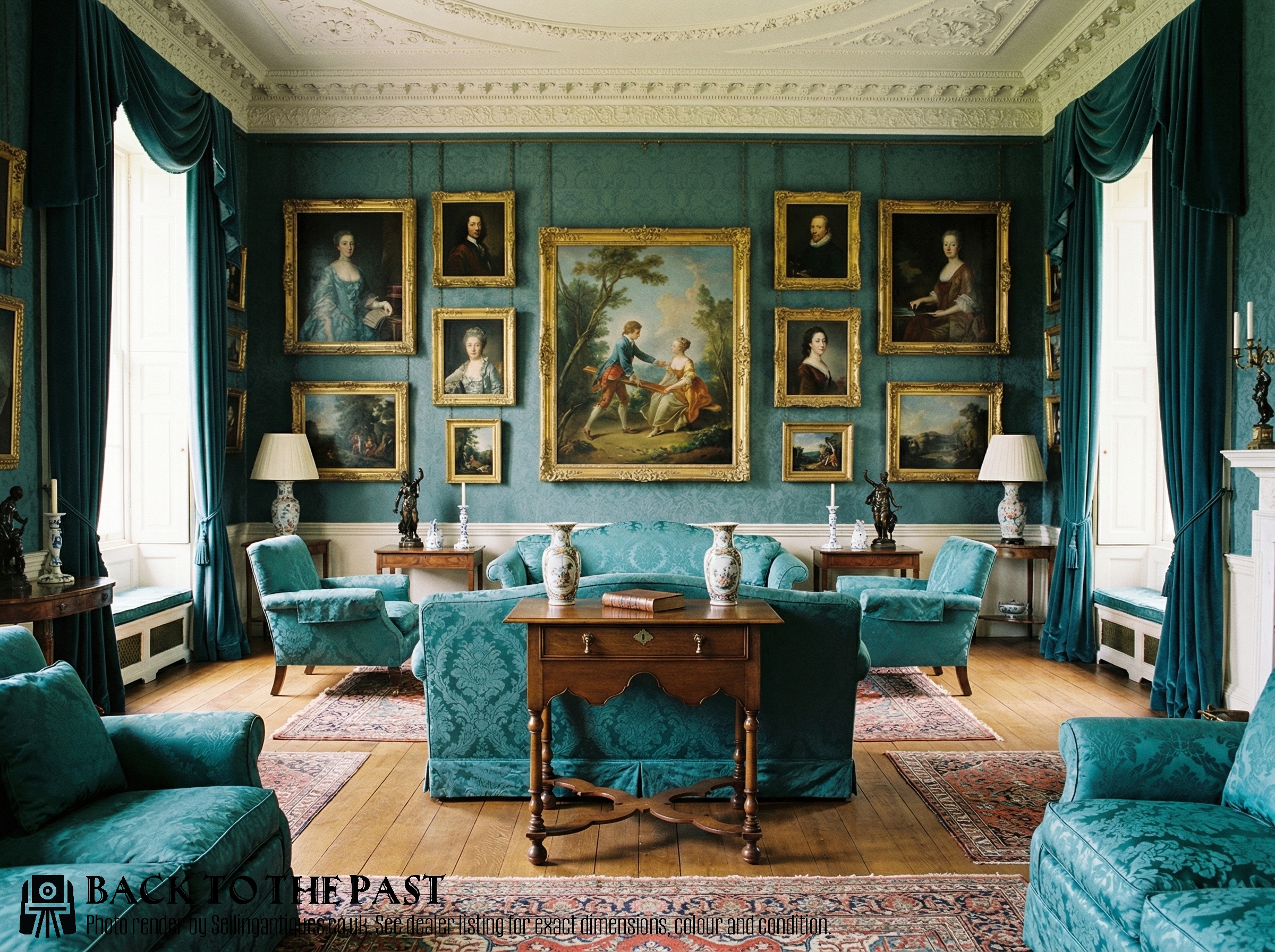
Gillows of Lancaster·Gillow
The Gillows of Lancaster Furniture Glossary
- Cellarette
- A lockable container used for storing wine bottles near the dining table. They frequently feature fitted interiors and heavy timber construction.
- Davenport desk
- A compact writing desk featuring a sloping lid with a leather writing surface and drawers opening to the side. The form became popular during the Regency period.
- Credenza
- A low side cabinet used for storage and display, often fitted with glass doors or decorative panel work. They frequently incorporate fine marquetry and ormolu mounts.
- Tea poy
- A small stand or chest designed to hold canisters of expensive tea leaves. They usually stand on a central pillar with branching supports.
- Canterbury
- A low, freestanding rack used for holding sheet music, books, or newspapers. They typically feature slatted divisions and a small drawer below.
Gillows of Lancaster Furniture: Frequently Asked Questions
How do I spot a real Gillows piece?
Look for stamped signatures on drawer edges, table rails, or brass locks bearing the Gillows name. Workshop documentation often matches specific serial numbers found on the woodwork.
Compare the construction methods and timber quality against known examples from the same period. Attributions without stamps rely entirely on stylistic hallmarks and documented forms.
What periods do these items cover?
The listings span from the late eighteenth century through the Georgian, Regency, and Victorian eras up to the late nineteenth century. Each period brings distinct stylistic traits, from neoclassical restraint to Victorian revivalism.
Materials and forms evolved alongside these historical shifts while maintaining high joinery standards. Early pieces lean towards mahogany and satinwood, whereas later examples often utilise walnut and elaborate marquetry.
How were these tables and desks used?
Dining tables and serving pieces served grand households for entertaining guests and formal meals. Desks and Davenport tables provided dedicated spaces for correspondence and household management.
Smaller items like work tables and tea poys supported domestic leisure activities in private sitting rooms. Their design prioritized both functional utility and aesthetic display in period interiors.
How should I care for antique mahogany and walnut?
Keep wooden surfaces away from direct sunlight and sudden temperature changes to prevent timber splitting. Regular dusting with a soft, dry cloth preserves the finish without building up residue.
Treat leather writing surfaces with appropriate balms to keep them supple and prevent cracking. Avoid placing wet or hot items directly onto antique tabletops.