



Gillows Mahogany Furniture
Gillows mahogany furniture brings together the precision of Lancaster cabinet-makers and the rich grain of prime timber, offering a functional elegance that anchors any room.
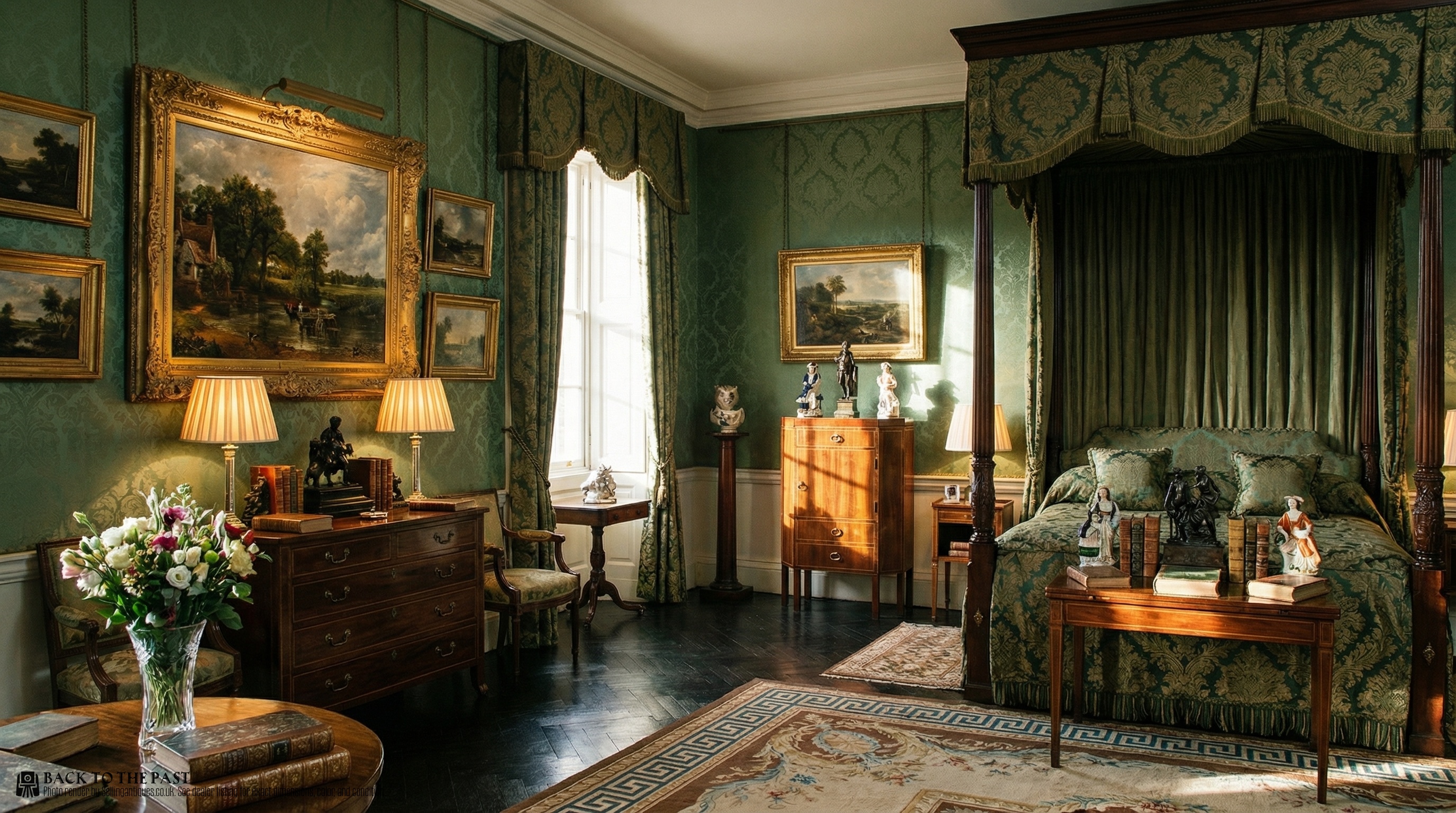
Gillows Mahogany Furniture
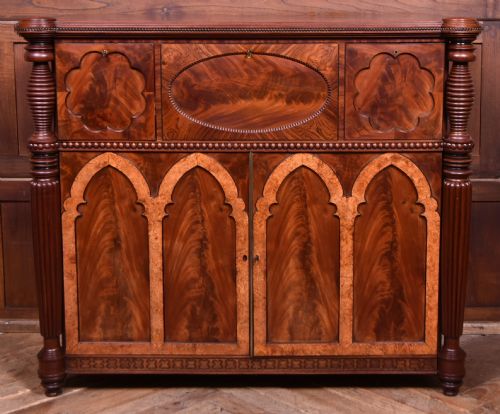
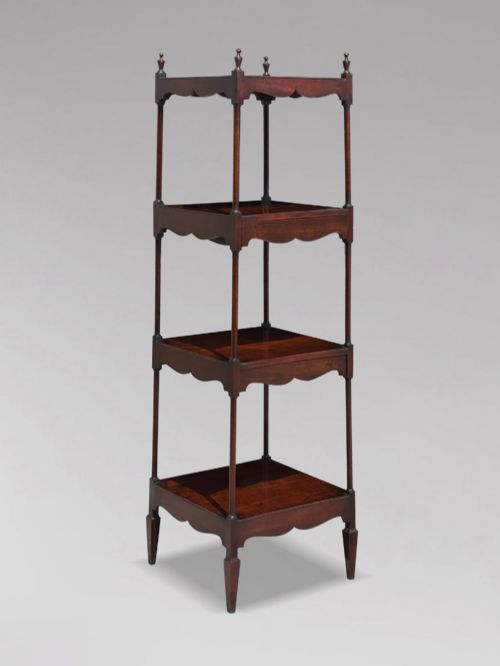
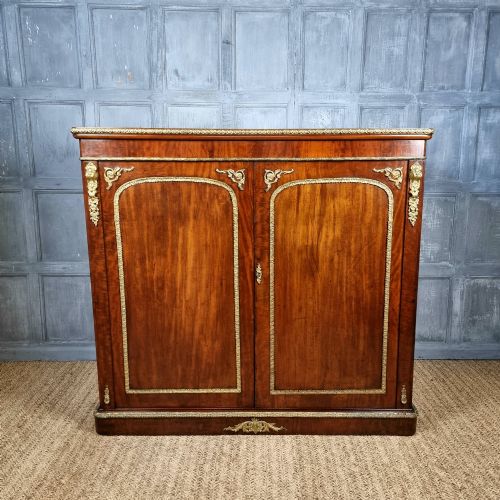
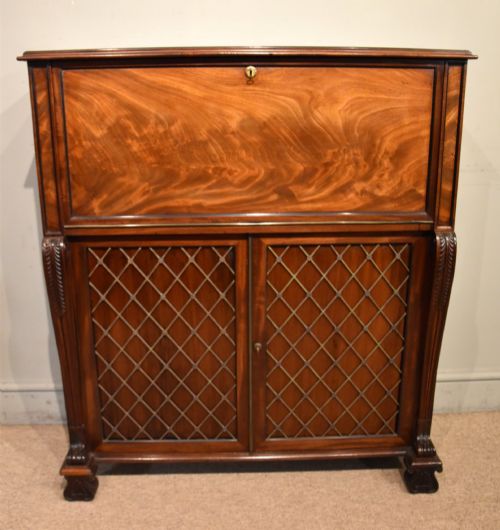
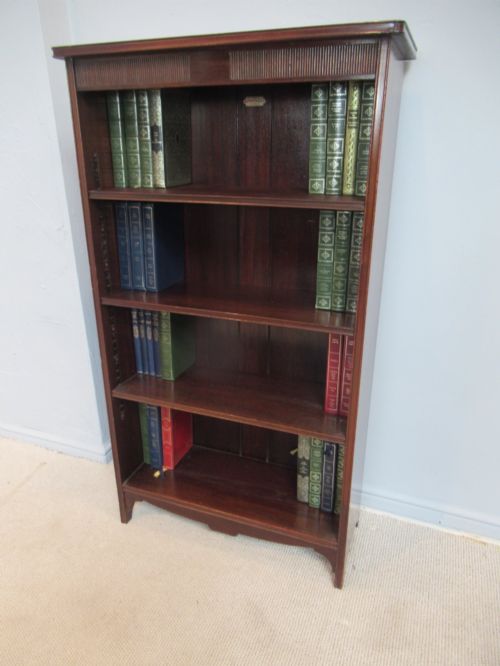
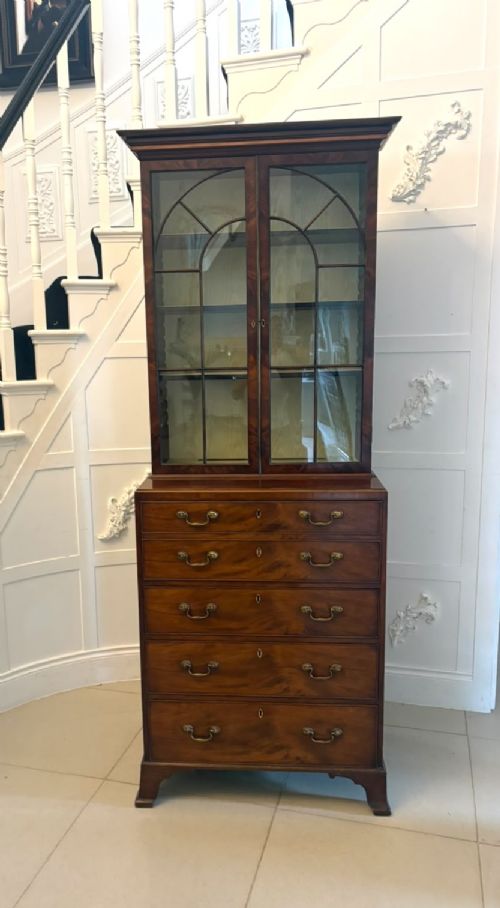
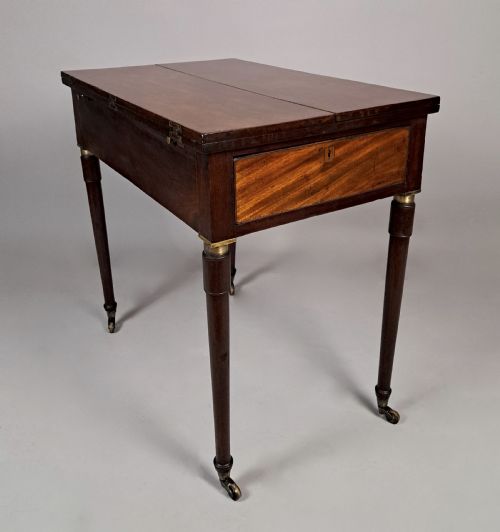
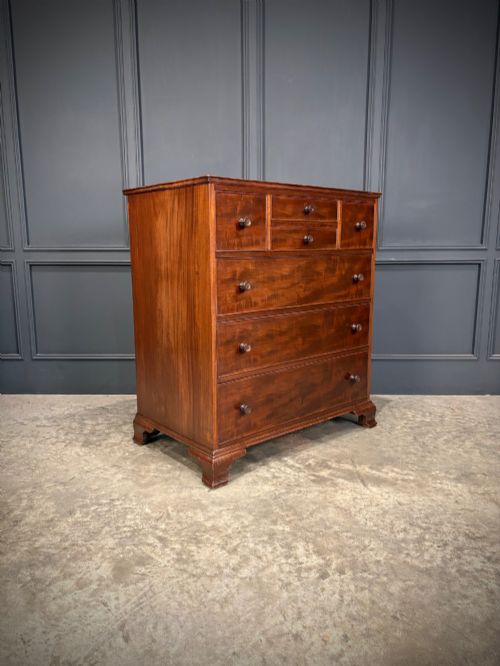
When you search for gillows mahogany furniture, you encounter pieces designed for practical domestic utility from the Georgian, Regency and Victorian eras. The selection ranges from dining tables and extending formats to secretaire bookcases, chests of drawers, hall chairs and davenports.
You meet items spanning from the late eighteenth century through to the early twentieth century, incorporating later Waring and Gillow productions alongside canonical Regency items. The forms reflect the workshop's focus on sturdy construction paired with refined architectural lines.
The objects originate primarily from workshops in Lancaster and London, capturing domestic seating, writing furniture and display cabinets. These pieces demonstrate how workshop output evolved from George III proportion into the heavier styling of the Victorian age.
Materials and Technique
Makers utilised solid mahogany and figured flame mahogany veneers over secondary timbers, often accented with satinwood inlay or brass mounts. Structural strength relies on precise joinery, with timber selected for grain pattern and depth of colour.
Gillows Mahogany Furniture Retail Price Guide 2026
Typical asking prices for gillows mahogany furniture among the pieces listed under this phrase on Sellingantiques today, from the lower quarter to the upper quarter. They describe what is for sale here now, not the wider market.
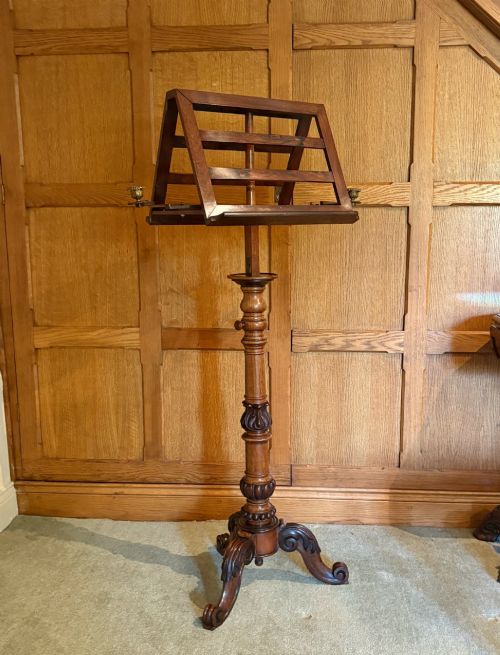
Music stands and tea poys reveal how domestic leisure demanded dedicated, highly specific furniture compartments.
Gradations of Excellence
The upper tier of pieces displays meticulous timber selection, where flame mahogany veneers match symmetrically across drawer fronts and table tops. Secondary woods remain consistent in quality, and internal drawer construction uses fine dovetails without modern replacements.
Attribution and workshop stamps elevate certain pieces above anonymous examples of the same period. The crispness of carved details, such as shell backs on hall chairs or reeded table legs, separates standard workshop output from exceptional commissions.
Gillows of Lancaster·Waring and Gillow
The Gillows Mahogany Furniture Glossary
- Secretaire
- A cabinet or chest incorporating a pull-down writing drawer fitted with small drawers and pigeonholes inside. This form conceals a desk surface behind a drawer front.
- Davenport
- A compact small desk featuring a sloping writing surface above a pedestal of drawers. It typically includes a stationery compartment on top.
- Dumb Waiter
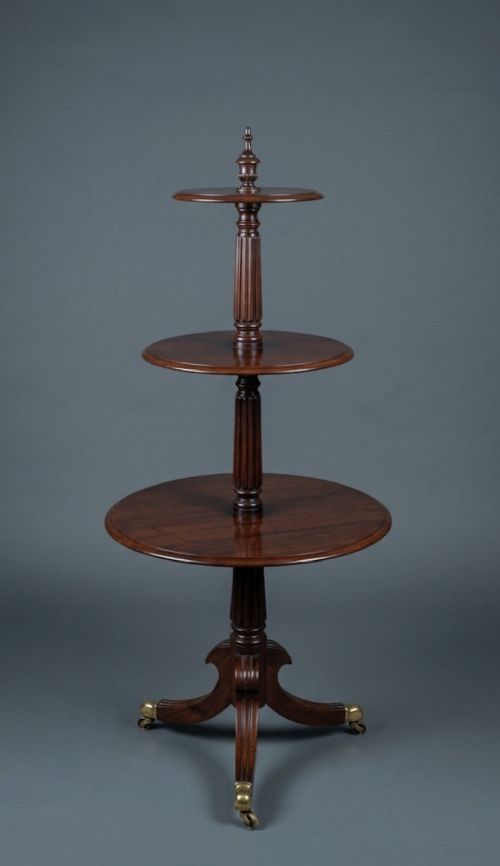
- A tiered revolving stand used in dining rooms for holding dishes or glasses without requiring a servant's presence. Multiple circular trays sit on a central pillar.
- Cellarette
- A fitted container or box used for storing bottles of wine safely beneath a lockable lid. These vessels often sit on low frames or brackets near the dining table.
- Astragal Glazed
- A glass door divided into smaller panes by narrow wooden framing strips. This technique creates a grid pattern typical of eighteenth-century bookcases.
- Canterbury
- A low stand with partitioned vertical sections designed for holding sheet music, folios or books. It frequently incorporates a small drawer underneath.
Gillows Mahogany Furniture: Frequently Asked Questions
How do I identify Gillows pieces?
Look for stamped signatures, distinctive numbering systems, or characteristic construction methods associated with the Lancaster firm.
Workshop traits include precise dovetailing, high-grade timber selection, and specific turning styles on table legs.
What is a Davenport desk?
A Davenport is a compact Victorian writing desk featuring a sloped top and drawers opening to the side.
It provides a complete writing station with built-in storage while occupying minimal floor space in a study or drawing room.
How should I care for mahogany?
Keep mahogany furniture away from direct sunlight and sudden temperature shifts to prevent the timber from splitting.
Apply natural beeswax periodically to nourish the surface and maintain the deep lustre of the wood.
What defines Regency style?
Regency design draws inspiration from classical Greek, Roman and Egyptian motifs, favouring clean lines and restrained ornamentation.
Mahogany surfaces often feature brass inlay, reeded columns, and mounts of ormolu or gilt bronze.