



Gillows Dressing Table
A gillows dressing table combines cabinet-making precision with functional elegance, offering timeless appeal for traditional interiors.
Gillows Dressing Table
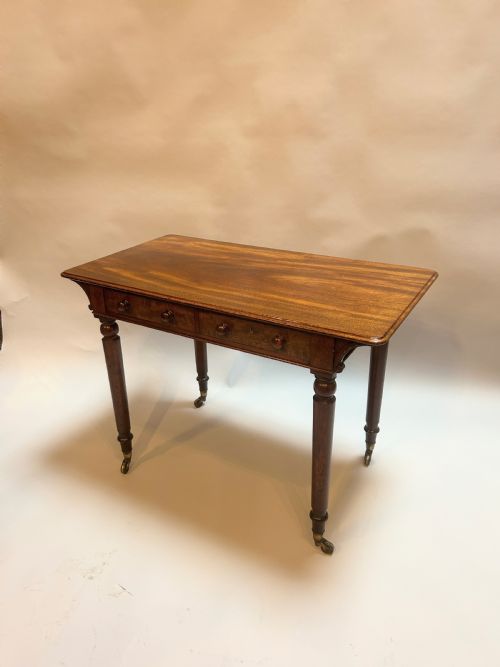
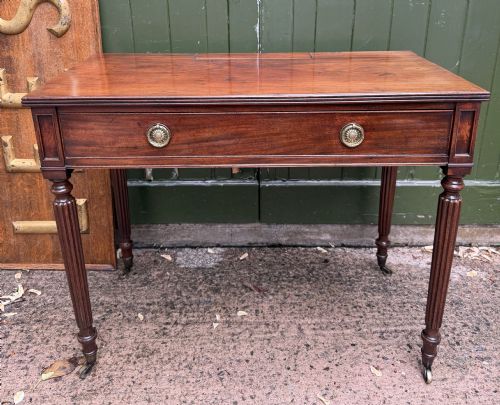
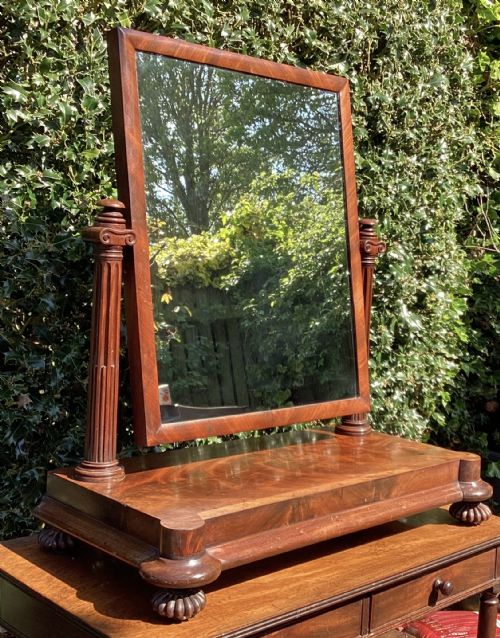
When you search for a gillows dressing table, you encounter pieces spanning the Georgian, Regency, and Victorian periods, alongside later Edwardian examples. These items encompass freestanding dressing tables, knee-hole desks, and adjustable toilet mirrors associated with the Lancaster and London workshops.
The most frequently encountered forms on this page include mahogany chamber tables, satinwood dressing furniture, and related writing pieces. Makers and workshops of the period combined the functions of writing and grooming within single items of case furniture.
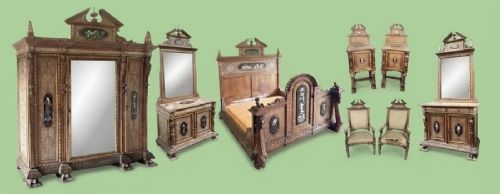
Pieces range from compact toilet mirrors to substantial bedroom suites and concave side tables. Construction often incorporates secondary timbers alongside primary cabinet woods.
How they were made
Cabinet-makers utilised solid mahogany, satinwood, and walnut for primary surfaces, frequently accentuating the grain with ebony banding and marquetry details. Structural elements relied on tight joinery and stable secondary woods to support heavy drawers and hinged glass frames.
Hardware typically involved cast brass pulls, swing-mirror pivots, and fitted interior compartments for toiletries and writing implements. Glass components included flat plates and bevelled mirrors set into pivoting frames.
Gillows Dressing Table Retail Price Guide 2026
Typical asking prices for gillows dressing table among the pieces listed under this phrase on Sellingantiques today, from the lower quarter to the upper quarter. They describe what is for sale here now, not the wider market.
Secret compartments occasionally turn up behind false drawer fronts, designed to keep personal correspondence out of prying eyes.
What varies in quality
The grade of timber selected for the primary surfaces dictates visual appeal, with heavily figured mahogany, burr walnut, and matched satinwood marking the upper tiers of production. Plain secondary woods or simpler painted finishes appear on more utilitarian examples.
The precision of the cabinet work, from secret drawer mechanisms to hand-cut dovetails, separates standard workshop output from pieces bearing stamps or strong attribution to the firm.
Gillows of Lancaster·Waring and Gillows·M Wilson
The Gillows Dressing Table Glossary
- Chamber table
- A domestic table intended for use in a bedroom or dressing room, often doubling as a writing desk.
- Ebony banding
- A thin strip of dark wood inlaid around the perimeter of a drawer front or tabletop to create a contrasting border.
- Knee-hole desk
- A writing or dressing table featuring a central recess for the user's legs, flanked by pedestals of small drawers.
- Toilet mirror
- A small table-top mirror with an adjustable frame, frequently mounted on a small chest of drawers or box base.
- Satinwood
- A pale, lustrous timber native to India and Ceylon, prized by cabinet-makers for fine eighteenth and nineteenth-century case pieces.
Gillows Dressing Table: Frequently Asked Questions
How do I identify a gillows dressing table?
Look for crisp cabinet-making, high-grade mahogany or satinwood, and occasional stamps on drawer linings or structural timber.
Attributions often rely on distinctive construction methods and proportions characteristic of the Lancaster and London workshops.
Did these tables double as writing desks?
Many dressing tables from the Regency and Georgian periods served multiple functions, incorporating writing slides and inkwells.
Drawers frequently contained compartments designed for both grooming items and stationery.
What woods were used in these pieces?
Primary surfaces typically feature mahogany, satinwood, walnut, or rosewood, sometimes enhanced with marquetry or ebony stringing.
Secondary timbers inside the drawers commonly include oak or pine.
How do I care for antique wood surfaces?
Maintain a stable indoor environment away from direct heat sources and strong sunlight to protect the polish and timber.
Apply traditional wax polish sparingly and buff with a soft cloth to preserve the natural sheen.