


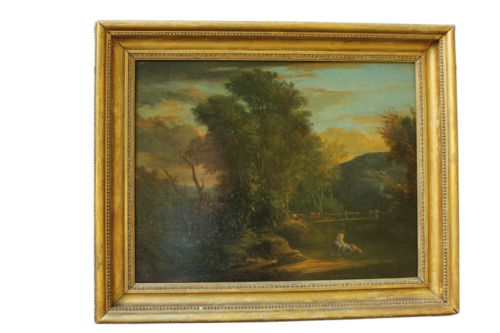


Gilded Wood Landscape Painting
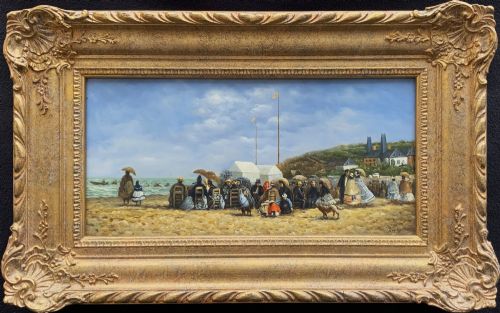
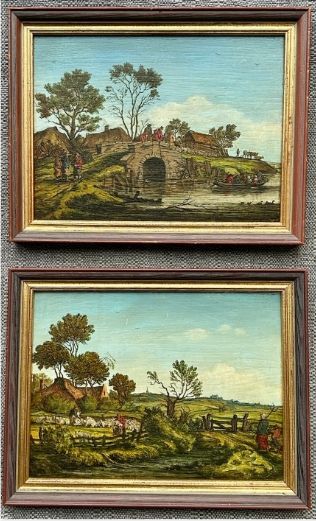
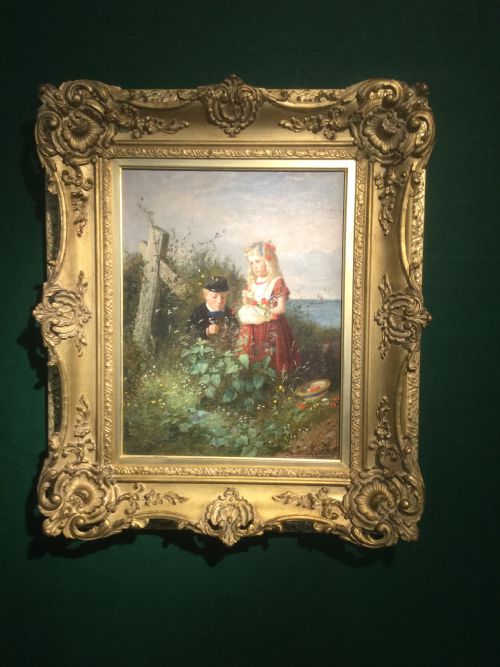
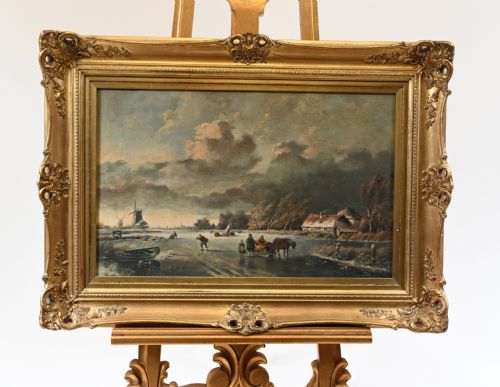
These gilded wood landscape painting examples unite historic rural scenery with ornate metallic frames from the nineteenth and early twentieth centuries.
Gilded Wood Landscape Painting
A gilded wood landscape painting brings together rural or coastal views and decorative metallic frames, spanning periods from the Georgian era through to the twentieth century. These works capture pastoral scenes, river valleys, and coastal harbours executed primarily in oil paint or watercolour.
Buyers meet works originating from various European schools, including English pastoral views, Dutch frozen landscapes, and French Post-Impressionist compositions. The framing typically consists of carved and gilded wood or giltwood that complements the painted subject.
The category encompasses both framed canvases and wood panels created by named artists and regional continental schools. These pieces serve as traditional wall art that reflects historic painting traditions and period framing techniques.
How these artworks were produced
Artists applied oil paint or watercolour onto woven canvas, prepared wood panels, or paper supports using traditional brushwork techniques. Many works utilise oil on canvas or oil on board to achieve durable pigment layers and tonal depth.
The accompanying frames are constructed from carved wood finished with applied gilt layers or gold leaf to create a reflective surface. This combination of painted scenery and gilded wood surrounds demonstrates period craftsmanship.
Listings feature works from the 1800s, 19th century, Victorian period, Edwardian era, and up to the 1960s.
What distinguishes quality in these works
The standard of execution in the painted brushwork and the preservation of the original gilt frame determine the overall calibre of a piece. Finer examples display confident draughtsmanship and harmonious composition within the landscape.
The integrity of the wooden support and the original condition of the gilded surface distinguish superior items from those with heavy restoration. Retaining the original gilt frame enhances the historical coherence of the piece.
W Klombeck·Paul Jean Anderbouhr·Gaston Cornil·Alfred George Morgan·Frederick Septimus Lewis·Clarence Henry Roe·Fred Waugh·Walter J Watson·Benjamin Williams Leader·William Raymond Dommersen·George Dodgson Callow·Maud Raphael Jones·William Mellor·James Proudfoot·Samuel Palmer·Frank Moss Bennett·Frederick Richard Lee·Thomas Sidney Cooper·Frederick Golden Short·William Hoggatt
The Gilded Wood Landscape Painting Glossary
- Giltwood
- Wood that has been treated with a thin layer of gold leaf or metallic powder. This finish provides the characteristic reflective border found on period frames.
- Oil on Canvas
- Pigment mixed with drying oils applied to a stretched fabric support. This technique allows for rich colour blending and texture in landscape art.
- Pastoral
- A style of artwork depicting rural scenes, countryside views, and agricultural life. These compositions often feature figures, animals, or waterways.
- Panel Painting
- A flat piece of wood utilised as a rigid base for applying paint. Artists frequently employed wooden boards during the nineteenth century and earlier.
Gilded Wood Landscape Painting: Frequently Asked Questions
What periods do these paintings come from?
The listings span from the eighteenth century through the Georgian and Victorian eras into the mid-twentieth century.
Most examples originate within the nineteenth and early twentieth centuries, reflecting changing European painting styles.
Are the frames original to the artwork?
Many pieces retain their original gilded wood or giltwood frames from the period of creation.
Checking individual descriptions confirms whether a frame is contemporaneous with the canvas or panel.
What mediums are used in these works?
Artworks are primarily created using oil paint or watercolour on various supports including canvas, wood panels, and paper.
Oil on canvas and oil on wood are particularly common among the landscape selections.
How should these pieces be displayed?
These framed works suit traditional wall display in domestic or office interiors as focal art pieces.
Placement should avoid direct sunlight and excessive moisture to protect both the paint surface and the gilt frame.