



Gilded Wood Dress Mirror
A gilded wood dress mirror brings warmth and reflective depth to a room, ranging from full-length cheval designs to compact table models.
Gilded Wood Dress Mirror
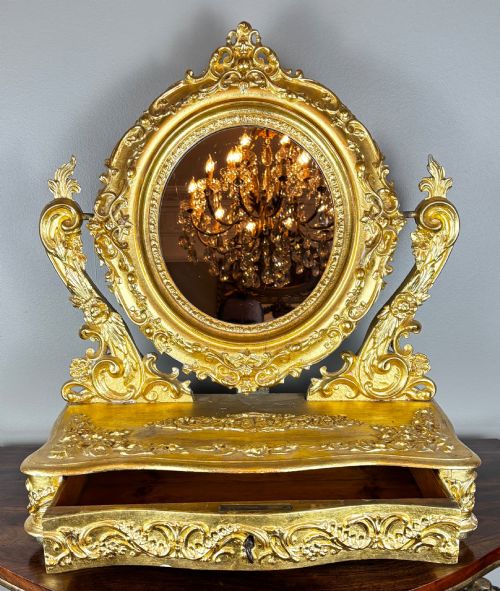
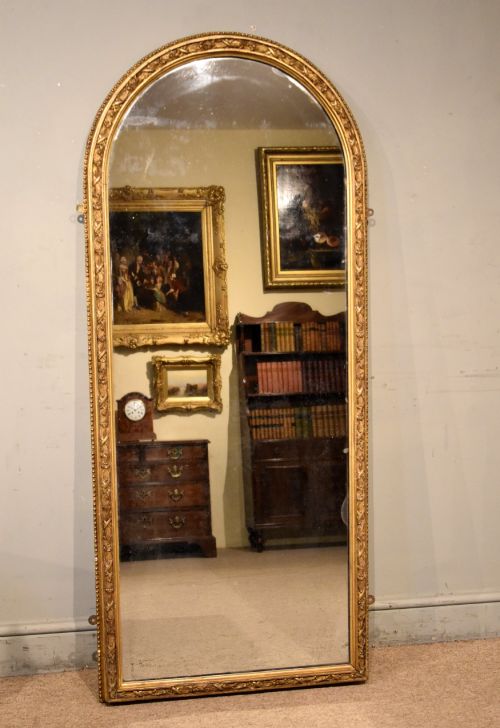
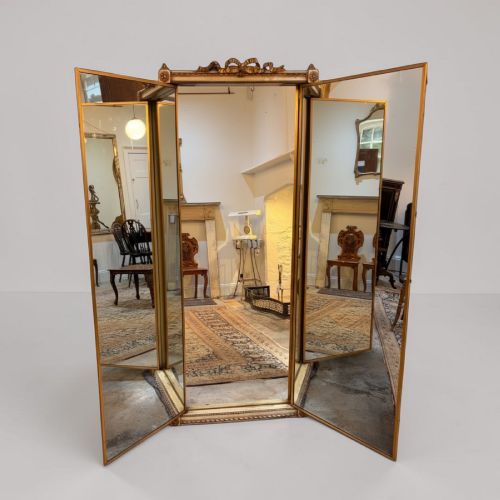
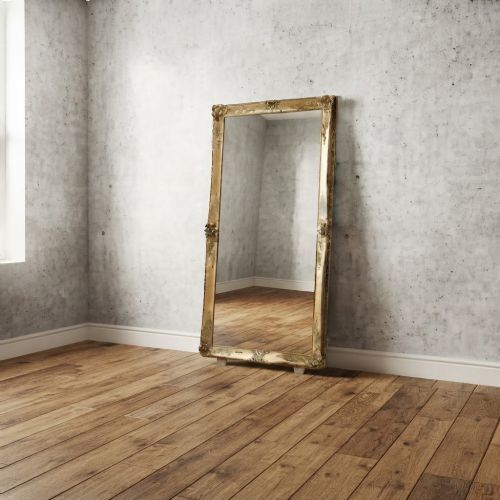
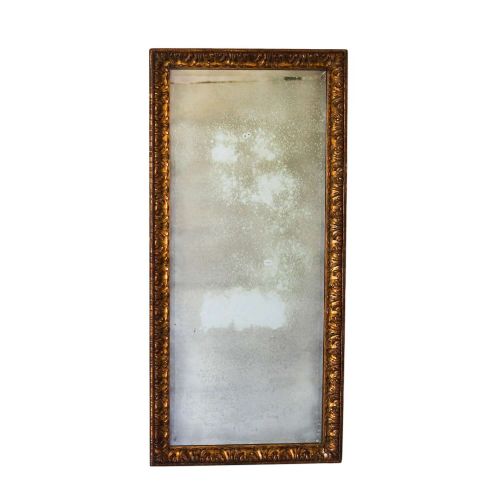
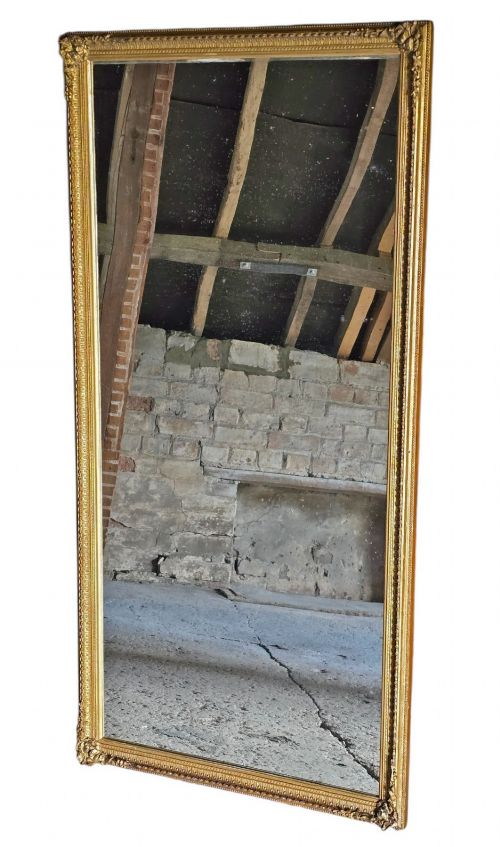
A gilded wood dress mirror offers a reflective surface framed in gold-leafed or giltwood timber, frequently created to assist with attire and grooming. When searching for a gilded wood dress mirror, buyers encounter formats spanning full-length floor mirrors, wall-mounted leaner mirrors, and smaller table or easel variants.
The pieces listed here draw upon 18th century, Regency, and 19th century traditions, alongside Edwardian and early 20th century examples. French Louis Philippe, Italian Rococo Revival, and Neoclassical styles dominate the forms, alongside English interpretations in mahogany, walnut, and carved gesso.
Cheval mirrors stand on dedicated floor frames with pivoting pivots, whereas leaner mirrors rest directly against walls for full-height reflection. Smaller table mirrors sit upon surfaces, often supported by integrated wooden easels or hinged brackets.
How they were made
Wood serves as the foundational substrate, utilising timbers such as mahogany, walnut, and softer woods carved into architectural or organic profiles. Gesso, a plaster-like mixture, is applied over the wood substrate to build up decorative reliefs and crisp mouldings.
Gold leaf or metallic gilding is applied over the prepared gesso and wood ground to achieve a luminous surface finish. Mirror plates include traditional mercury glass alongside later silvered glass, held securely within the rebated wooden frames.
Gilded Wood Dress Mirror Retail Price Guide 2026
Typical asking prices for gilded wood dress mirror among the pieces listed under this phrase on Sellingantiques today, from the lower quarter to the upper quarter. They describe what is for sale here now, not the wider market.
Materials across these listings include glass, giltwood, gesso, gold leaf, wood, mahogany, brass, and plaster.
What varies in quality
The depth and intricacy of the hand-carved ornamentation separate exceptional frames from simpler productions, with deeply undercut foliage, rope carving, and scrollwork showing superior craftsmanship. The application of gold leaf demonstrates distinct levels of skill, where burnished and matte surfaces interact differently with light compared to uniform modern paints.
The preservation of the original glass plate and the stability of the underlying wooden framework influence the character of each piece. Frames maintaining their original gesso build-up without extensive modern re-gilding retain a truer historical appearance.
The Gilded Wood Dress Mirror Glossary
- Giltwood
- Timber that has been decorated with gold leaf or metal leaf applied over a prepared ground. This technique provides a luminous metallic sheen that ages with a warm patina.
- Gesso
- A plaster mixture applied to wood frames to create a smooth surface for carving or gilding. It allows for crisp, intricate relief details that bare timber cannot hold.
- Cheval mirror
- A full-length looking glass suspended within a vertical frame on pivots, allowing the glass to tilt. The name derives from the French word for horse, referencing the four-legged trestle base.
- Mercury glass
- A double-walled silvered glass popular in antique mirrors, created by pouring a liquid mercury amalgam between glass layers. It produces a distinctive cloudy, mottled reflection.
- Leaner mirror
- A large floor mirror designed to lean upright against a wall rather than hang from brackets. These pieces offer full-height views and rely on their substantial weight for stability.
Gilded Wood Dress Mirror: Frequently Asked Questions
How do I clean a gilded wood frame?
Dust the gilded surface gently with a soft, dry ostrich feather duster or a clean, dry artist's paintbrush.
Avoid using water, liquid cleaners, or chemical solvents, as moisture and harsh agents lift the delicate gold leaf and damage the underlying gesso.
What is the difference between a pier mirror and a leaner mirror?
A pier mirror traditionally hangs on the narrow pier of wall space situated between two windows.
A leaner mirror is built larger and heavier, designed to stand directly on the floor while leaning back against the wall.
Can these mirrors be hung on drywall?
Large full-length gilded mirrors carry significant weight from the wood frame, gesso, and thick glass plate.
Secure them directly into timber wall studs or utilise heavy-duty structural fixings rated for substantial loads.
How do I identify a Louis Philippe mirror?
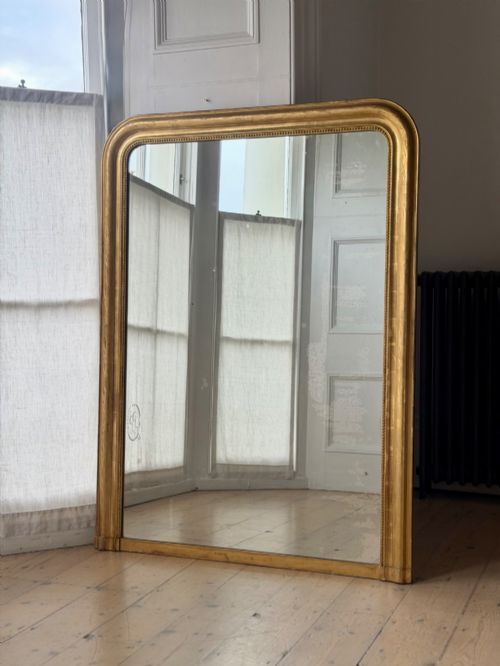
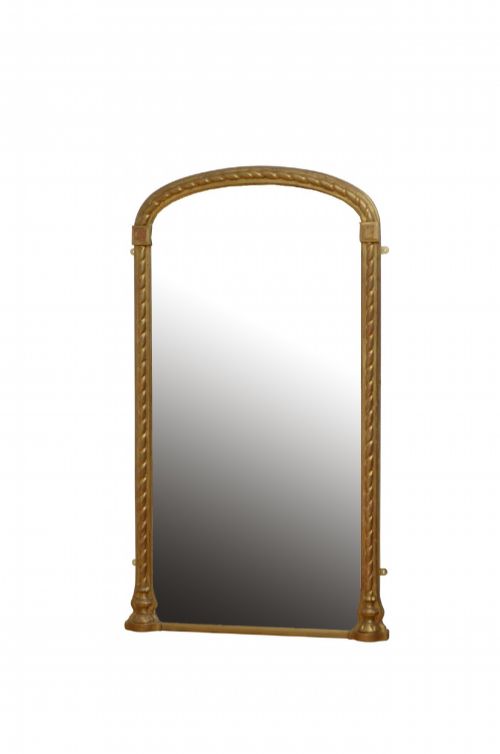
Louis Philippe mirrors typically feature a rounded or arched top frame corner paired with otherwise straight rectangular sides.
They often display subtle beadwork, plain gilt moulding, and understated decorative motifs rather than heavy Rococo carving.